O’Romeo (2026) Movie ft. Shahid, Avinash, and Triptii

When you hear Vishal Bhardwaj and Shahid Kapoor are working together again, you expect magic. Their previous films Kaminey and Haider showed us what this combination can do. So when O Romeo was announced, the excitement was real. Released on February 13, 2026, during Valentine’s weekend, this gangster romance brings Shahid together with Triptii Dimri in a story that pulls from Hussain Zaidi’s Mafia Queens of Mumbai.
The film drops us into 1995 Mumbai’s underworld – a time when gangsters ruled the streets and violence was a way of life. With nearly 3 hours of runtime and an A certificate, O Romeo promises a raw, intense experience. Bhardwaj’s known for making violence look poetic, and this film tries to do exactly that. But does the magic happen again? Let me walk you through what worked and what didn’t.
The Story Takes You Dark
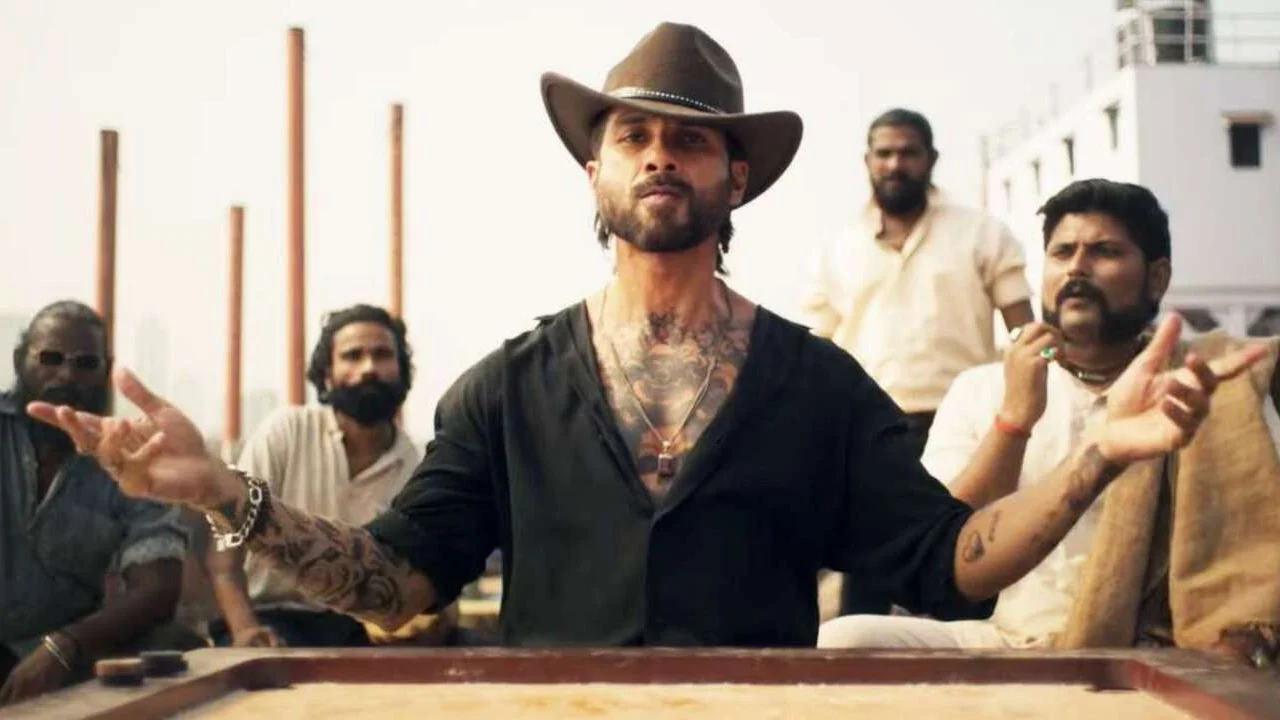
Ustara isn’t your typical hero. He’s a contract killer living on a boat with his grandmother, working for a powerful officer. His weapon of choice? A razor blade. That’s literally how he got his name – Ustara means razor in Hindi. He’s cold, ruthless, and has no problem eliminating anyone who gets in his way.
Then Afshan walks into his life. She’s not looking for love – she wants revenge. Her husband was murdered by Jalal, a dangerous gangster, and she needs Ustara’s help to take him down. What begins as a business arrangement slowly turns into something neither of them expected.
The opening hour pulled me in completely. Every character introduction felt purposeful. The dialogues cut deep – simple words that reveal so much about who these people are. When Jalal says his love comes at a price, you immediately understand the kind of man he is.
But somewhere after the break, the energy shifts. The story starts feeling stretched. Scenes that could’ve been wrapped up in two minutes take five. At nearly three hours, I definitely felt the length. The ending delivers some intense moments, but getting there tests your patience.
Performances Steal The Show
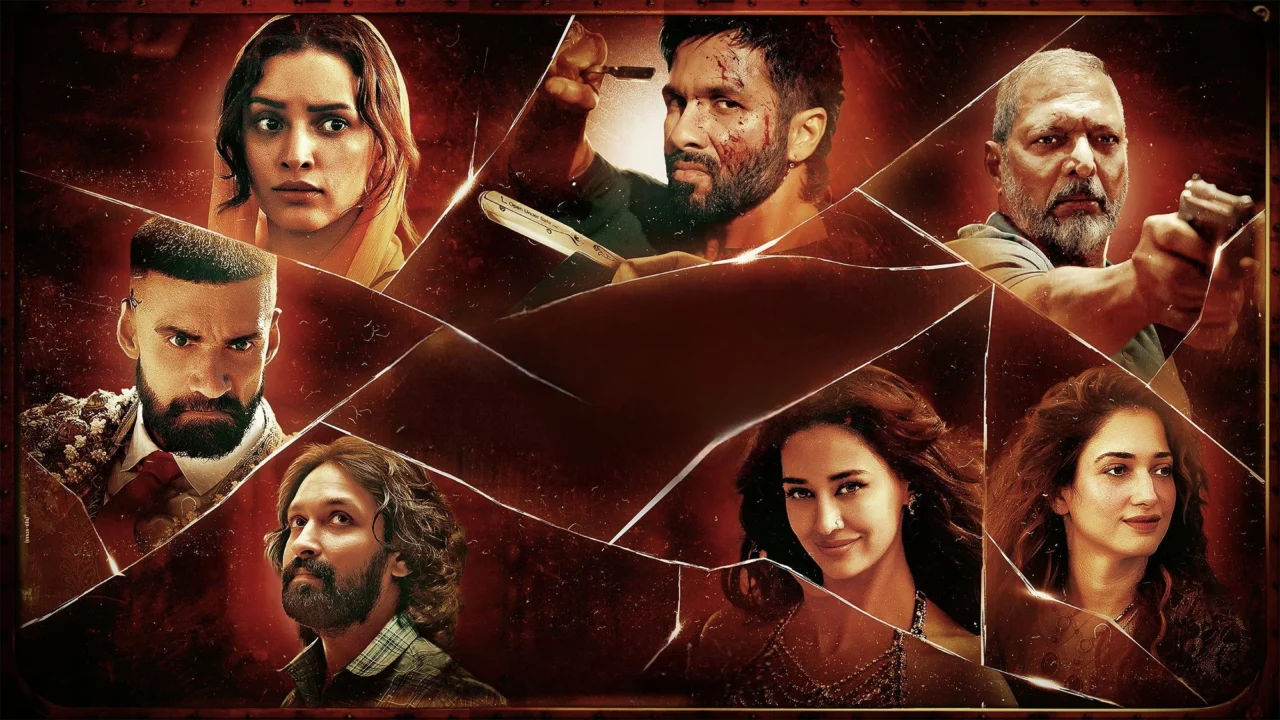
I’ve watched Shahid in many films, but Ustara might be his most layered character yet. There’s this controlled chaos in his performance – he’s terrifying one moment and vulnerable the next. Even when he’s doing terrible things, you see glimpses of humanity. That’s difficult to pull off, and Shahid nails it.
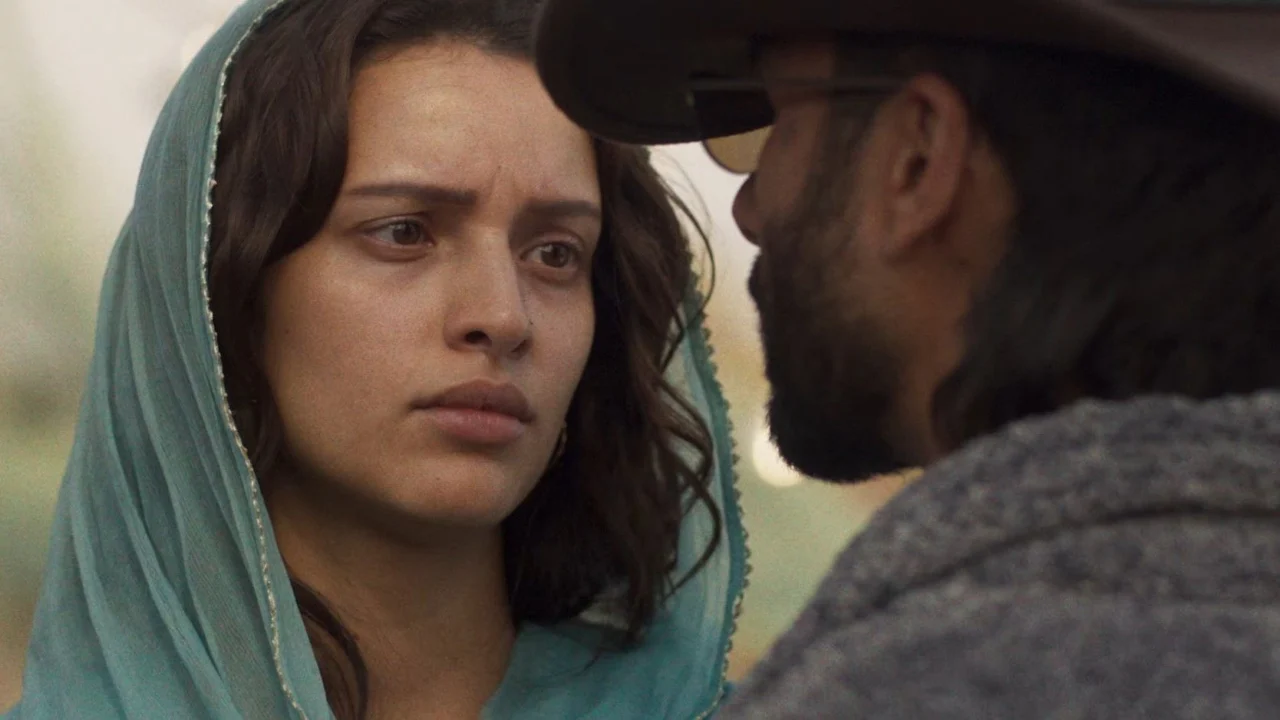
Triptii Dimri surprised me even more. She’s done intense roles before in Bulbbul and Qala, but Afshan feels different. She doesn’t cry or beg for help. She’s got fire in her eyes and determination in her actions. The final act belongs to her completely – watching her take charge of her revenge is powerful.
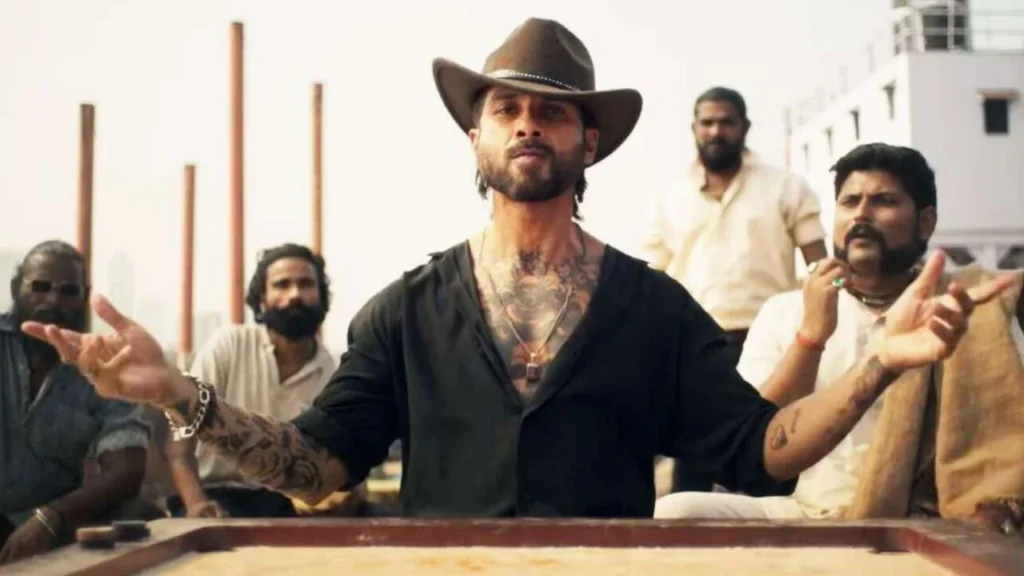
Avinash Tiwary plays the villain Jalal, and he’s genuinely scary. His first appearance involves bullfighting, which cleverly shows his dominance without using dialogue. The physical transformation he went through for this role deserves appreciation. He makes you hate him, which means he’s doing his job right.
Nana Patekar brings his usual gravitas to the role of Ismail Khan. Though his scenes are scattered throughout, every appearance counts. Farida Jalal as the grandmother adds much-needed warmth to all this darkness.
Both Tamannaah Bhatia and Vikrant Massey appear in smaller roles but leave lasting impressions. Interestingly, both refused to take payment because they wanted to work with Bhardwaj. That speaks volumes about the respect this director commands. Disha Patani shows up in the dance numbers, adding visual appeal.
What Really Works
The visuals are absolutely gorgeous. Every frame looks like it was painted. The Spain sequences especially – they’re breathtaking. The production team recreated 1995 Mumbai with such attention to detail that you feel transported.
That first hour is genuinely gripping. I was completely invested in understanding these characters and their world. The way scenes build upon each other, creating tension and atmosphere – that’s Bhardwaj at his best.
The background music enhances everything. During action scenes, it pumps up the intensity. During emotional moments, it pulls at your heartstrings without being manipulative. The dialogues stick with you long after you leave the theater. They’re poetic without sounding unnatural.
Using a razor blade as the signature weapon was brilliant. It makes the violence personal and distinct. There’s a scene where Ustara does his job inside a cinema hall while an old Bollywood song plays – that sequence alone shows you Bhardwaj’s creativity.
Where Things Go Wrong
The second half drags badly. After such a strong start, watching the pace drop so drastically felt disappointing. Several scenes could’ve been cut completely without affecting the story. At 178 minutes, the film tests your patience.
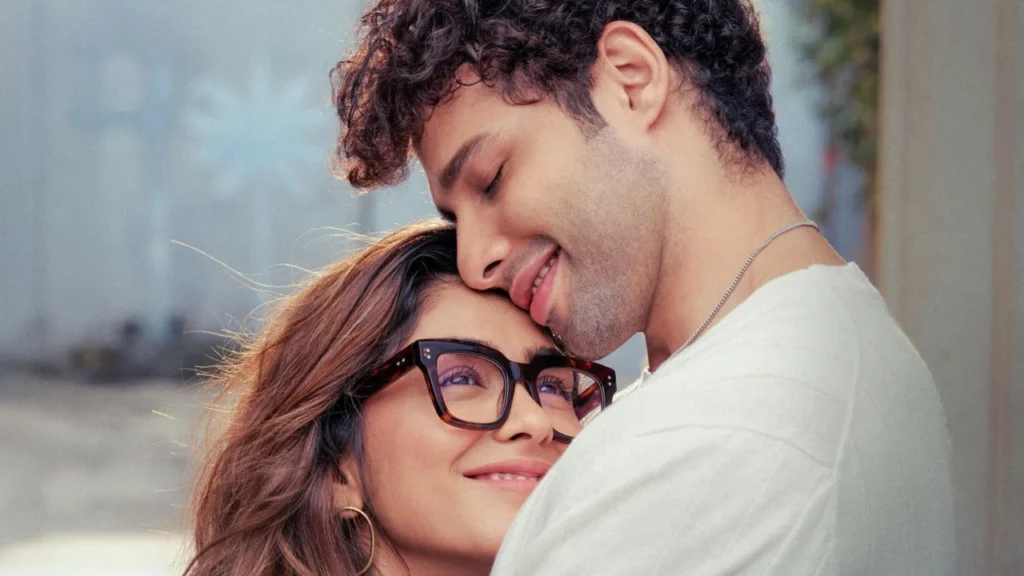
The romance between Ustara and Afshan should’ve been the emotional center of everything. But after the initial setup, it doesn’t grow much. They have chemistry, sure, but the writing doesn’t develop their relationship beyond the surface level. I wanted to feel their connection more deeply.
The songs are the weakest element. None of them stayed with me. They’re placed okay within the story, but musically they’re forgettable. This was shocking because Bhardwaj usually creates memorable soundtracks. Here, even with Gulzar writing lyrics, the songs fall flat.
Too many things happen just because the plot needs them to. Characters make convenient decisions, coincidences pile up, and by the end, you’re questioning the logic. The film also borrows heavily from recent dark films like Animal – you can see the influence in certain violent sequences. That doesn’t feel like Bhardwaj’s natural style.
When the story tries being a thriller with twists and turns, it gets messy. The climax had potential but needed tighter execution. I left feeling it could’ve ended much stronger.
People’s Reactions Are Split
Different critics gave different ratings. Some publications awarded 3 out of 5, praising the performances while noting the uneven pacing. Others went with 2.5 out of 5, appreciating Shahid’s work but criticizing how the second half weakens. A few gave 4 out of 5, calling it visually spectacular with powerful action.
Regular viewers are divided too. Some absolutely loved it, calling it a must-watch with brilliant performances. Others found it average – decent acting but too slow and stretched. The songs disappointed almost everyone. People who’ve read Zaidi’s original book noticed how the first half sticks to real events while the second half takes creative liberties.
Social media reactions after early shows were mostly positive about Shahid’s performance. Many called his acting phenomenal and praised the intense second half action. But complaints about length and slow pacing appeared frequently too.
My Honest Take
O Romeo has moments of pure brilliance scattered throughout. When it works, it really works. Shahid and Triptii deliver performances that will be remembered. The visuals are stunning, the first hour grabs you completely, and certain scenes showcase genuine creativity.
But the film doesn’t reach the heights of Kaminey or Haider. The runtime kills the momentum. The music disappoints. The story makes too many convenient choices. It’s better than Rangoon, their previous collaboration, but that’s not saying much.
I’d recommend watching it once, mainly for the performances and visual craft. Go with patience because it’s long. Don’t expect another masterpiece from this director-actor team. Appreciate it for what it is – a flawed but occasionally brilliant attempt at blending art with commerce.
The heart is there, the craft is visible, but the execution needed more discipline. Still worth your time if you’re a fan of this kind of cinema.
3/5