Do Deewane Seher Mein (2026) Movie ft. Siddhant, Mrunal, and Ila

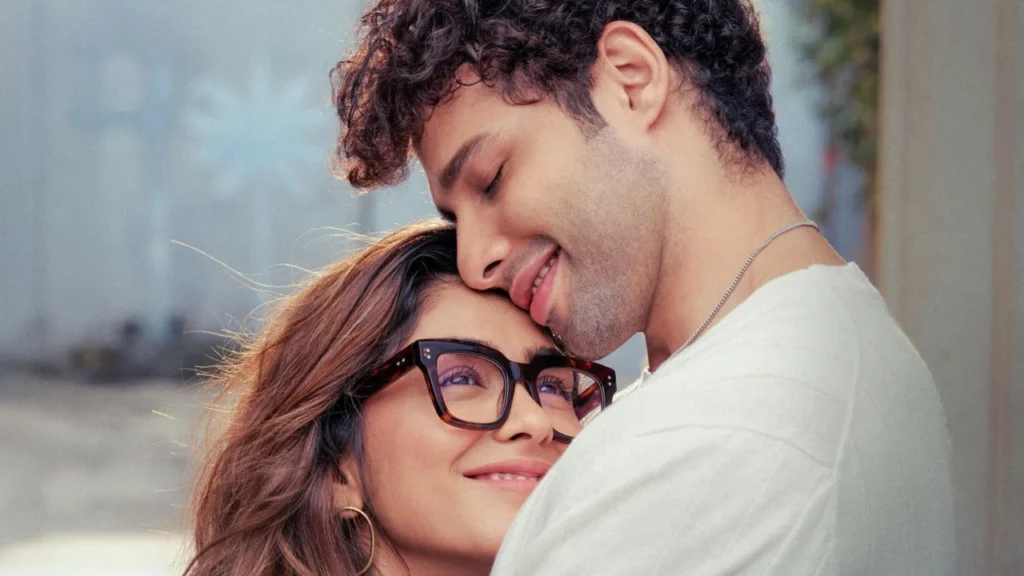
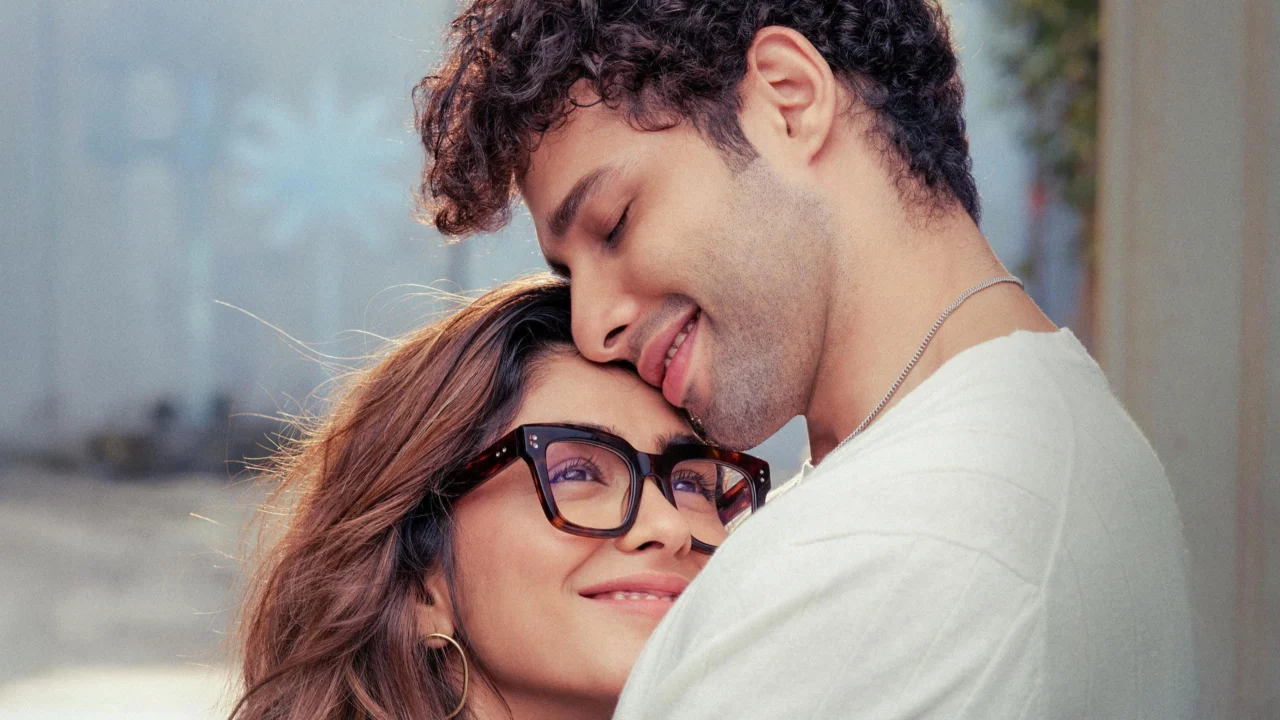
Released this Valentine’s season on February 20, Do Deewane Seher Mein is not the kind of love story that knocks you off your feet. It sneaks up on you — the way most real feelings do. Directed by Ravi and produced under the Sanjay Leela banner, the film pairs Siddhant and Mrunal in what turns out to be one of Bollywood’s more quietly satisfying romances in recent memory.
Set and filmed entirely across Mumbai and Navi Mumbai, with music composed by a four-member team including Sachin-Jigar and Hesham Abdul Wahab, this is a film that wears its simplicity as a badge of honour. It runs 2 hours 18 minutes, rated U/A, and distributed by Zee Studios.
What the Story Is About
Shashank works in marketing and has a childhood speech quirk — he swaps “sha” sounds for “sa.” That’s also the film’s little wink: the title says Seher, not Sheher. Roshni is a beauty content creator who doesn’t think much of her own looks. Neither of them has cracked love the traditional way, so they turn to matrimonial apps — and find each other.
The story doesn’t rush anywhere. It lets these two people sit in their awkwardness, argue about nothing, laugh at the wrong moments, and slowly start to matter to each other. Writer Abhiruchi Chand keeps things grounded, trading dramatic showdowns for quieter, more truthful exchanges.

How the Leads Perform
Siddhant Chaturvedi has been good before, but this might be his most complete performance yet. He carries Shashank’s insecurity with a lightness that makes you care about the character before you’ve even consciously registered doing so. The speech quirk could have been played for cheap laughs — instead, it becomes a window into who this man actually is.
I walked into the screening not expecting Mrunal to surprise me. She did. Mrunal Thakur gives Roshni a specific kind of confidence — the kind that masks something softer underneath. The two of them together feel natural in a way that’s hard to manufacture. There’s no “acting” happening. It just feels like two people talking.
The Supporting World Around Them
Ila Arun holds her own in every scene she’s in. There’s a particular warmth she brings that makes the film feel rooted. Sandeepa Dhar appears for a relatively short stretch but makes you want to see more of her character.
The rest of the cast — Ayesha Raza Mishra, Joy Sengupta, Mona Ambegaonkar — all fit into the film’s world without feeling like decoration. It’s a story that is entirely about its two leads, and the supporting characters wisely stay in their lane.
Ravi Udyawar’s Choices Behind the Camera
Udyawar does something that’s harder than it looks: he stays out of his own way. No swelling background score every time someone looks longingly at someone else. No slow-motion walks in the rain. The camera just follows these characters around Mumbai, and somehow that’s enough.
The cinematography is genuinely lovely — drone shots of the city at night, cramped local train compartments, mountain views that feel earned because the characters have actually done something emotionally to deserve them. It’s a film that respects its own story enough not to oversell it.
The Music Fits, and That’s Saying Something
Too many Bollywood soundtracks feel bolted onto the film rather than woven through it. Here, the music — a mix of lo-fi textures and Indian folk flavours — sits comfortably inside the story. The opening single “Aasma Aasma” gave audiences a good sense of the tone, and the rest of the album follows through.
Composed by Sachin-Jigar, Shreyas Puranik, Hesham Abdul Wahab, and Anurag Saikia, the soundtrack doesn’t ask for your attention. It just earns it gradually, the same way the film itself does.
Where It Slows Down
The second half has a stretch where you’ll check your watch. Shashank and Roshni hit a wall emotionally — and then hit it again, and once more after that. It’s realistic, yes. Relationships do stall and restart. But cinema needs to move, and this part of the film doesn’t quite.
A sharper edit — maybe fifteen to twenty minutes trimmed from the middle — could have made this a tighter, more rewatchable film. The emotional destination is worth reaching; the route could use some pruning.
What Critics Said, and What Public Feels
India.com called it a love story that grows quietly “between hesitation, self-doubt and emotional vulnerability.” Bollywood Bubble appreciated its 100% real and relatable approach to romance. Free Press Journal was more measured, noting the film’s imperfections don’t entirely add up to a perfect whole. Social media reactions have been largely positive, with audiences responding well to the lead chemistry and the film’s refusal to be dramatic for drama’s sake.
Rating: 3.5 / 5