Assi (2026) Movie ft. Mohammed, Taapsee, and Kani

Anubhav Sinha has made a career out of films that make you uncomfortable in a theatre seat. With Assi, released February 20, 2026, he goes further than he ever has before. The title is not poetic. It is literal — eighty rape cases every day, across India, like clockwork.
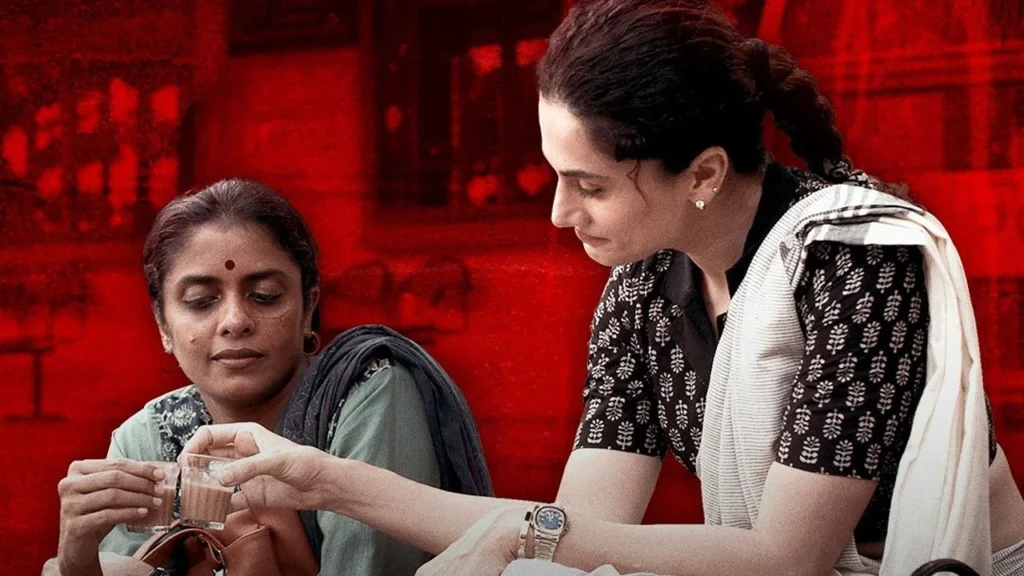
Starring Taapsee Pannu as lawyer Raavi and Kani Kusruti as the survivor at the centre of the story, this is a film produced by T-Series and Benaras Mediaworks that carries the weight of its subject on every frame.
The Story: Ordinary Life, Extraordinary Horror
Before you even understand who Parima is, the film shows you where she ends up — bruised, discarded, barely alive near a railway track. Then it rewinds. She is a schoolteacher. She has a husband, a young son, morning routines, lunch boxes. A normal life.
That normalcy is what makes what follows so devastating. On a regular Tuesday night, after a farewell dinner, five men change her life in ways the film does not flinch from showing. And every 20 minutes after that, the screen turns red — because somewhere in India, it has happened again.
The Cast: Who Carries the Film
Let me be direct: Kani Kusruti is extraordinary here. She does not perform trauma — she inhabits it. Her silences speak more than most actors’ monologues. I had not expected the film to hit me where it did, and a lot of that credit goes to her.
Taapsee Pannu is in familiar territory as the sharp, relentless lawyer. She is very good, particularly in the final stretch. Mohammed Zeeshan Ayyub plays her husband with a stillness that reads as both masculine restraint and quiet devastation — it is subtle work that lands deeply.
Direction: Intent vs. Execution
Anubhav Sinha opens with twenty minutes of filmmaking that is simply unmatched in recent Hindi cinema on this subject. The crime is not hinted at. It is shown. And yet it never feels designed for shock — it feels designed for empathy, and that is a crucial distinction.
Where the film stumbles is the second half. The “Umbrella Man” plot — a vigilante silencing the accused one by one — is compelling on paper but feels rushed and unresolved on screen. Kumud Mishra’s character, too, never quite finds its footing in the larger story.
Writing and Dialogue
Sinha and co-writer Gaurav Solanki have crafted some genuinely cutting lines. Courtroom exchanges crackle. Characters speak the way real people do when they are exhausted and angry and afraid. The film does not wrap its message in rhetoric — it buries it in character.
That said, the screenplay wanders. There are threads that needed more room and others that could have been cut entirely. A tighter second half would have made this a landmark film rather than a very good one.
Visuals and Sound
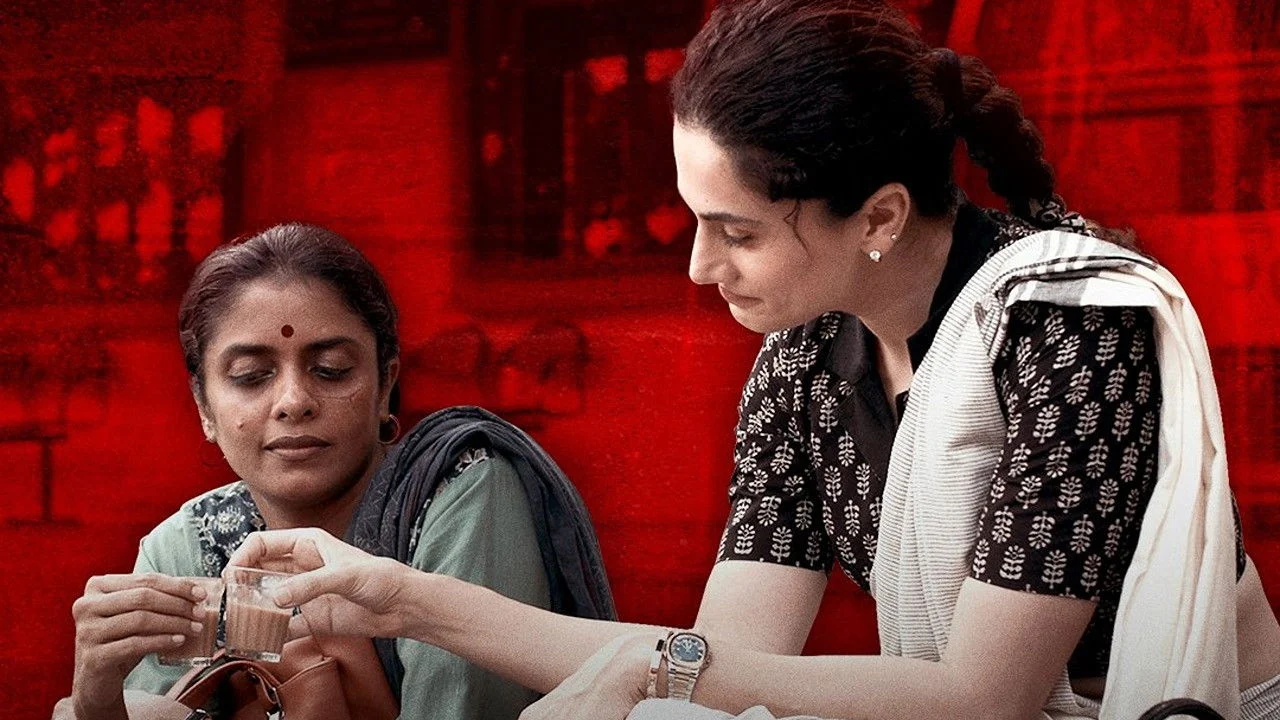
The cinematography is deliberately understated — long, still frames where the camera simply watches characters breathe. It creates weight without being heavy-handed. The red-screen device, used sparingly and purposefully, is the film’s most memorable visual choice.
The background score keeps tension without becoming manipulative. The songs are the weakest part of the package — none of them feel necessary to the film’s emotional arc.
What Critics and Audiences Are Saying
Most critics landed between 3/5 and 3.5/5, agreeing that the subject is handled with sincerity even where the craft falters. One reviewer noted it “turns statistics into scars.” Public response has been raw — social media filled with accounts of people sitting silently in theatres, processing what they had just seen.
That kind of response is rare. And it means something.
So, Is It Worth Watching?
Yes — without question. Assi is not a comfortable Friday night watch. It is a film that sits with you, asks difficult questions, and refuses easy answers. Kani Kusruti alone makes it essential. Anubhav Sinha, even on his uneven days, is making cinema that matters.
Rating: 3.5 / 5