Mercy (2026) Movie: Chris Pratt’s AI Thriller Fails Where It Should Have Soared

Chris Pratt’s latest film hits theaters today, and honestly, it’s not the comeback anyone hoped for. Mercy brings together Pratt, Rebecca Ferguson, and Kali Reis in what should have been a smart thriller about AI gone wrong. Instead, it feels like watching someone play a video game you’re not allowed to touch.
The setup sounds interesting enough. Detective Chris Raven wakes up strapped to a chair, accused of killing his wife. He’s got 90 minutes to prove he didn’t do it to an AI judge who runs the courtroom. The catch? He helped build this system. Now it’s turned against him.
The Story Itself
Raven finds himself in the Mercy Capital Court, where machines decide guilt or innocence. No lawyers. No jury. Just an AI called Judge Maddox making all the calls. She gives Raven access to every camera and phone in Los Angeles to find evidence. The clock counts down while he digs through surveillance footage and digital records.
I’ll admit, the 90-minute countdown creates real tension. You feel that pressure building as time runs out. Raven has to piece together what happened while dealing with blackouts from drinking too much that night. His memories are fuzzy about the bar fight and when his wife died.
The film shows us his broken life in pieces. His marriage was failing. He’d stopped talking to his daughter. Work consumed him until he couldn’t see straight anymore. We meet his partner Jaq, his sponsor Rob, and Patrick, who was seeing his wife before she died.
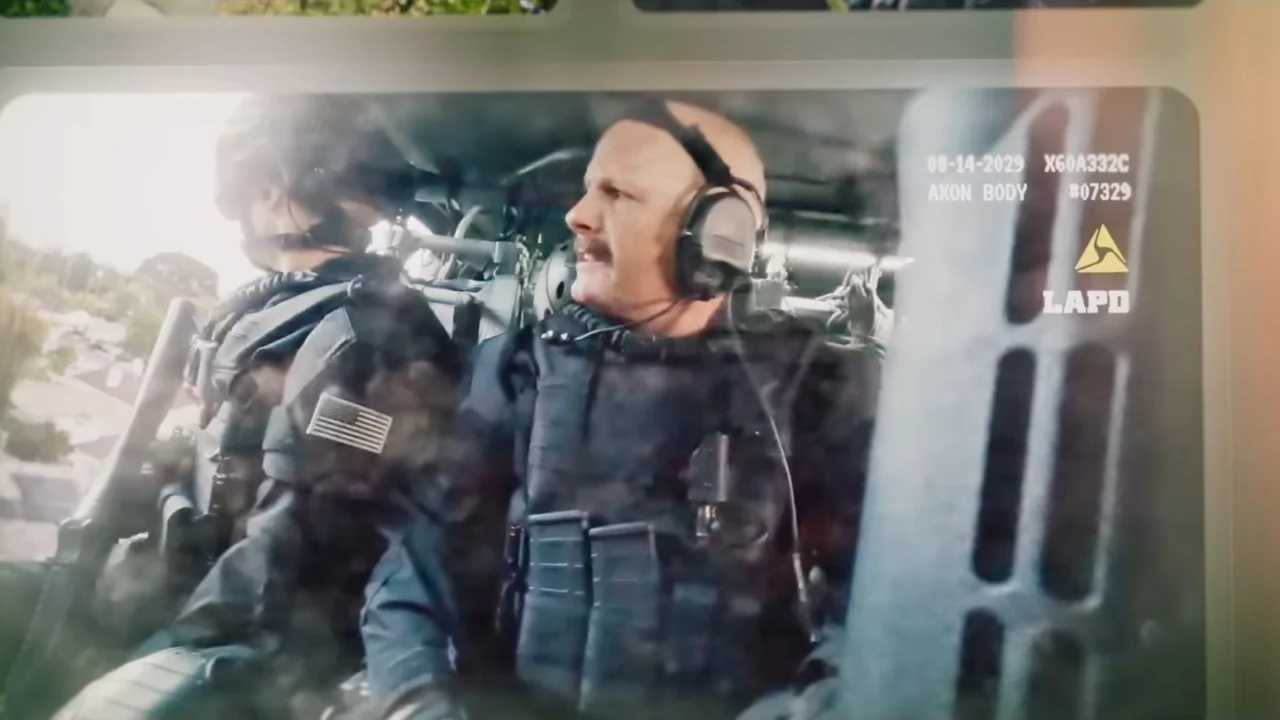
Everything happens through screens. Security cameras. Video calls. Text messages. Phone footage. The whole movie feels like you’re trapped inside a computer watching windows pop up everywhere.
How the Actors Do
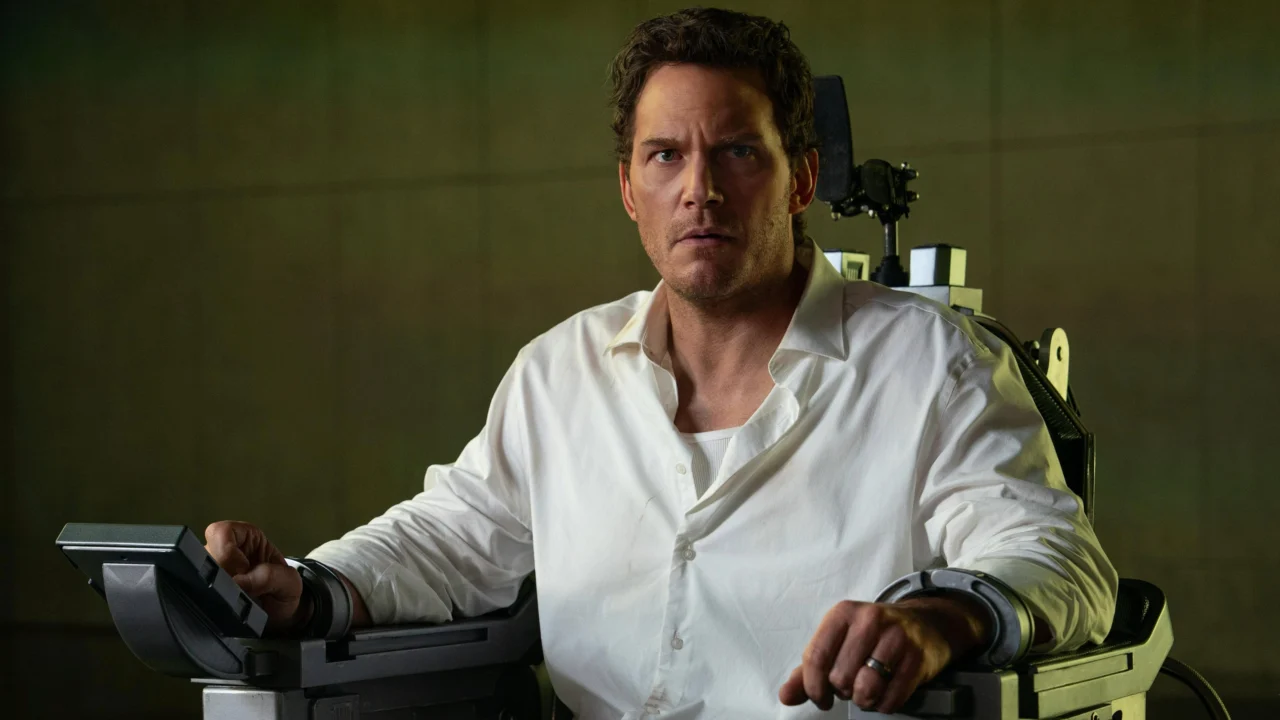
Pratt spends almost the entire film stuck in that chair. He can’t move around or use his body the way he usually does. That’s a problem because his best work comes from physical comedy and action. Here, he needs subtle expressions and deep emotion. It doesn’t quite land. You can see him trying, but it feels forced.
Ferguson plays Judge Maddox as a robotic voice on a screen. She’s a talented actress stuck playing a computer program with no real personality. The script confuses things by having the AI sometimes act cold, sometimes helpful. Why would an objective judge help the person on trial?
Kali Reis shows up as Raven’s partner, but her role never makes sense. The script doesn’t give her enough to work with. Annabelle Wallis plays the dead wife in flashbacks, though she’s more of a plot device than an actual character.
Chris Sullivan brings the most humanity as Rob, the AA sponsor. His scenes feel real and grounded. Kylie Rogers plays the daughter mostly crying on phone calls. The cast does what they can with weak material that cares more about plot than people.
What Actually Works
That countdown timer creates genuine stress. Watching those minutes tick away kept me engaged even when everything else struggled. The basic idea of investigating your own murder under a time limit could have been great with better execution.
The music helps too. It adds tension when the visuals fall flat. The film raises questions about surveillance that feel relevant today. We live in a world of cameras everywhere, face recognition, and phones tracking our every move. That part resonates.
Chris Sullivan’s performance gives the film some emotional weight. When he’s on screen, things feel authentic instead of mechanical. Those moments remind you what the whole film could have been with stronger writing.
Where It Falls Apart
The screenlife format exhausts your eyes. Endless pop-up windows and video clips create a headache instead of immersion. Even in IMAX, it fails to look interesting. The constant barrage of screens becomes annoying fast.
Every twist telegraphs itself way ahead of time. I saw the turns coming from the first act. Characters explain obvious things just to catch us up. The dialogue sounds like exposition instead of real conversation. Nobody talks like this in actual life.
The film can’t figure out what it thinks about AI. Is it dangerous? Helpful? The movie keeps changing its mind. Judge Maddox should feel threatening, but she’s the most likable character. That contradiction ruins any deeper message about technology.
The last 30 minutes go completely off the rails. Twists stack on top of twists until nothing makes sense anymore. Characters start acting crazy for no reason. What began as a tight thriller turns into something laughable. I couldn’t take it seriously by the end.
Pratt doesn’t have the acting range this needs. An actor like Tom Hardy can do an entire film sitting in one spot and make it gripping. Pratt tries, but he’s not that kind of performer. Everything stays on the surface without real depth.
The film’s politics bother me too. It treats mass surveillance like it’s totally fine and necessary. The script paints parts of Los Angeles as war zones. This pushes a worldview that feels more propaganda than storytelling.
What Critics Are Saying
The critical response has been brutal. Rotten Tomatoes sits at 18-20% positive reviews. That’s awful for any wide release. Richard Roeper called it tiresome and gave it 1 out of 4 stars. Jesse Hassenger wrote that if this represents crime thrillers going forward, we’re in trouble.
The Daily Beast went further, calling it the worst film of 2026 already. Multiple critics found it hollow and confused about its own themes. A few positive reviews exist, but they’re rare exceptions. Most critics and audiences seem to agree this one misses the mark badly.
My Final Take
I wanted Mercy to work. The premise grabbed my attention. A detective solving his own murder case in real time? That could have been fantastic. But good ideas need good execution, and this film lacks that in almost every way.
The performances suffer from a weak script. The visual style gives you a headache. The story gives away its secrets too early. Worst of all, the film has nothing meaningful to say about AI or justice despite pretending it does.
If you want smart sci-fi about artificial intelligence, watch Minority Report or Ex Machina instead. For better screenlife thrillers, Searching delivers everything this film attempts and fails at. Mercy ends up exactly where its January release date suggests—quickly forgotten.
The 90-minute countdown creates the only real tension. Everything else feels half-baked and confused. Within a week, you probably won’t remember you watched it. That’s the biggest failure for a film trying to say something important about our technological future.
Rating: 2.5 out of 5 stars