The Calf Doll (2026): Ankur Hooda’s Debut Risks Everything on Rural Grief


A farmhand walks into a fog-drenched courtyard in Haryana and delivers news that breaks the film open: the calf is stillborn, and he is leaving for the city. What follows is a portrait of a man, a retired professor, Masterji, who refuses to let either loss stand, and whose defiance curdles into something between ritual and madness.
Masterji’s Grief Is Not Performance, It Is Lived Weight
The professor is played by a real villager, not an actor. That distinction matters enormously here. When he implores the departing farmhand to stay and tend the cow, the desperation reads as genuine, because, in some version of this man’s life, it was.
His heartbreak over the stillborn calf carries no theatrical decoration. It is quiet, absorbing, and finally harrowing. Hooda has found a lead who does not perform grief so much as carry it through every frame.
Hooda’s Direction Finds Myth in Smog, But Leaves the Third Act Uncharted
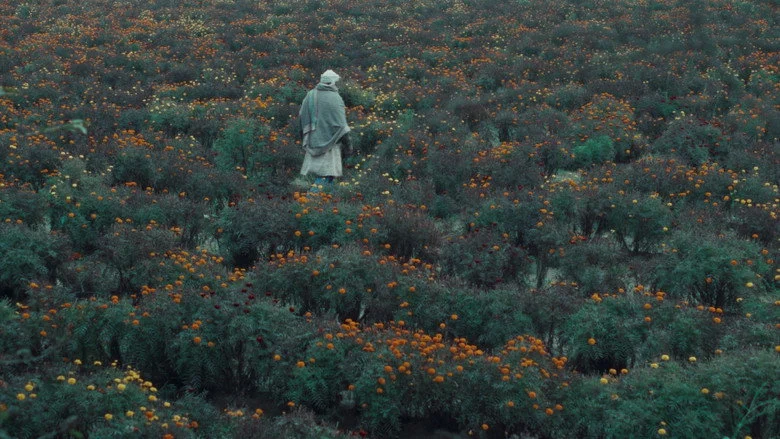
Ankur Hooda’s greatest directorial instinct is knowing that this village, in this light, needs no embellishment. The eerie smog hanging over dilapidated structures does work that a conventional score never could, it suspends the film between documentary record and ancient fable.
His method, having real villagers reenact scenes from their own experiences, is both the film’s structural spine and its moral wager. The risk is enormous, and it largely pays off. Still, the third act arrives without the shape that the first two-thirds promise, leaving the film’s resolution emotionally open in ways that feel less like intention and more like avoidance.
As one critic put it plainly, “Ankur Hooda’s devastating debut feature The Calf Doll could be read as either” a fairy tale or a horror, and that ambiguity is both Hooda’s achievement and, at points, his evasion.
The Forbidden Ritual Scene Is Where Para-Fiction Earns Its Name
Hooda works within India’s slow cinema tradition, and the film’s para-fiction mode, documentary foundation, fictional reenactment, generates its most unsettling power in the ritual sequence. The professor and his wife stuff the stillborn calf’s corpse to create a doll, an outlawed practice meant to trick the grieving cow into lactating again.
The scene is disturbing not because of gore but because of normalcy. Two people, at a kitchen table scale of domesticity, doing something forbidden. That collision is where the film’s fable logic clicks into place.
The aftermath, neighbors mocking the smell, stray dogs tearing the doll apart, functions almost as Greek punishment. The village becomes a chorus. The professor becomes a figure of tragedy. Hooda holds the camera still and lets the humiliation land without comment.
If you follow documentary and para-fiction cinema closely, Hindi Documentary reviews on this site track more films working at this intersection of myth and realism.
The Professor’s Wife and the Farmhand Anchor the Film’s Thematic Fault Line
The professor’s wife is the film’s pragmatic conscience. She warns him, then helps him anyway, and that contradiction is where Hooda locates the film’s most human tension. Her willingness to assist in the very ritual she opposes says more about rural partnership than any dialogue could.
The farmhand carries less screen time but enormous symbolic freight. His departure for a city job is the inciting wound. Casting a real villager in this role, someone for whom this migration is not hypothetical, makes the scene feel like documentary testimony dressed in fiction’s clothing.
The Film’s Audience Will Be Small, Devoted, and Correct
There are no controversies attached to The Calf Doll, no political flashpoints or censorship battles. Its confrontation is quieter, and, I would argue, more honest. It asks whether slow cinema can hold the weight of an entire disappearing way of life. Here, it can.
The film premiered at CPH:DOX to a reception that recognized its register immediately. “The result is magical and extraordinarily beautiful, ” one critic noted, high praise for a debut that refuses every commercial concession a first-time filmmaker is usually pressured to make.
The Calf Doll is built for an audience that sits with discomfort, that allows a film to breathe at 90 minutes without demanding resolution. If you have walked out of slow cinema before, this will not convert you. If you stayed for Payal Kapadia or Lijo Jose Pellissery’s quieter registers, this is your film.
Watch it on the biggest screen available, the fog and the dilapidated architecture of Dayalpur need space to become mythological. Streaming will flatten what theatrical projection expands.
If the screenplay’s unresolved third act frustrates you, the structural fragility in The Night review is a thread worth following in similarly ambitious debut features.
The Calf Doll is a film of genuine and uncomfortable beauty, a debut that earns its festival premiere, its slow-cinema lineage, and a firm 4 out of 5, with the half-point deducted only for a conclusion that retreats when it should press forward.
Carmeni Selvam’s Carmeni Selvam verdict offer a useful companion piece for anyone drawn to the emotional register Hooda stakes his debut on.
Ankit Jaiswal is the Chief Author, covering Indian cinema and OTT releases with honest, no-filler criticism. An SEO strategist by background, he brings a research-driven approach to film writing, cutting through hype to tell you exactly what's worth your time.