The Dinosaurs (2026): Spectacular Visuals Power This Netflix Prehistoric Documentary

The Dinosaurs (2026) arrives as a four-part Netflix documentary that traces the rise and fall of Earth’s most iconic prehistoric creatures. Narrated by Morgan Freeman and produced by Steven Spielberg’s Amblin team, the series blends natural history storytelling with high-end CGI recreations.
With a current rating of 7.6/10 on IMDb and strong early reviews, The Dinosaurs focuses on how these animals survived mass extinctions and environmental upheavals for more than 165 million years. The show works best when it leans into its visual spectacle and Freeman’s steady narration.
Plot Overview: From Origins to Extinction
The documentary starts around 235 million years ago, shortly after the catastrophic Permian extinction reshaped life on Earth. Early dinosaurs emerge as small, adaptable creatures navigating unstable ecosystems and climatic chaos.
Episode one highlights how these early species survived the Carnian Pluvial Event, a major climate shift that transformed the planet. These humble survivors gradually evolve into dominant terrestrial animals.
The second episode shifts to the Jurassic period following another mass extinction. Dinosaurs like Vulcanodon, Dilophosaurus, and Allosaurus appear as the planet becomes greener and ecosystems grow more complex.
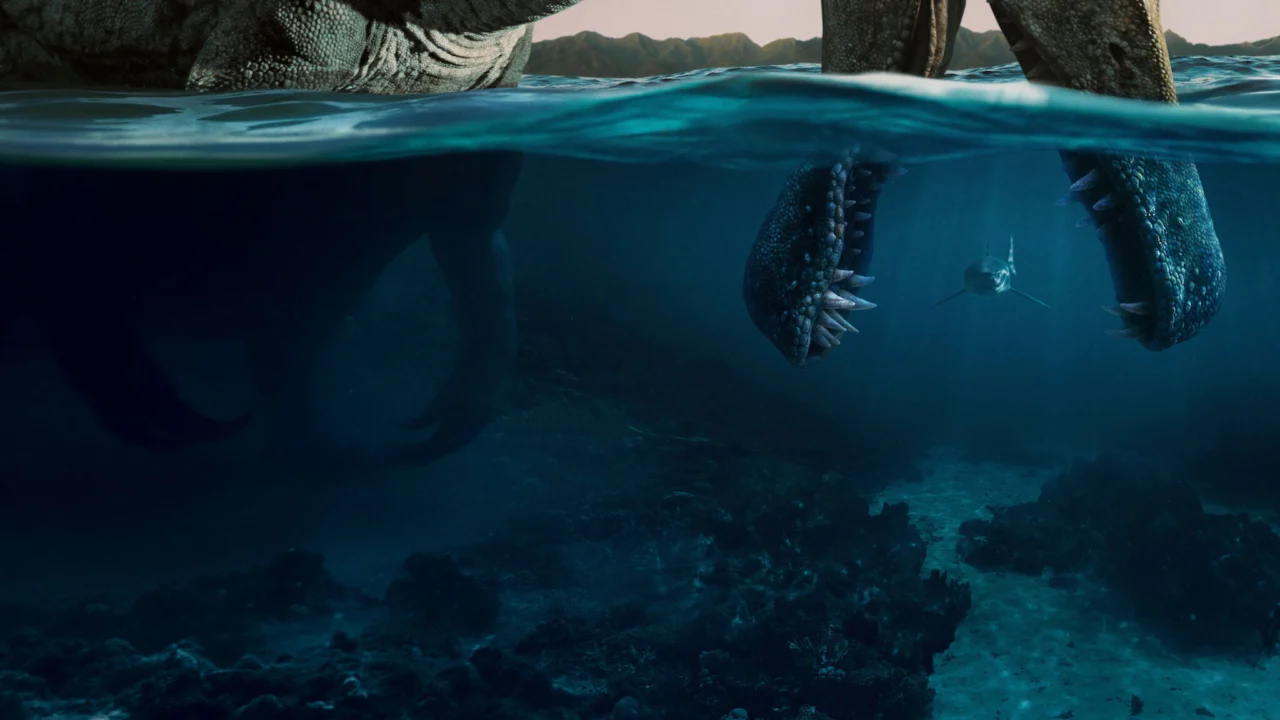
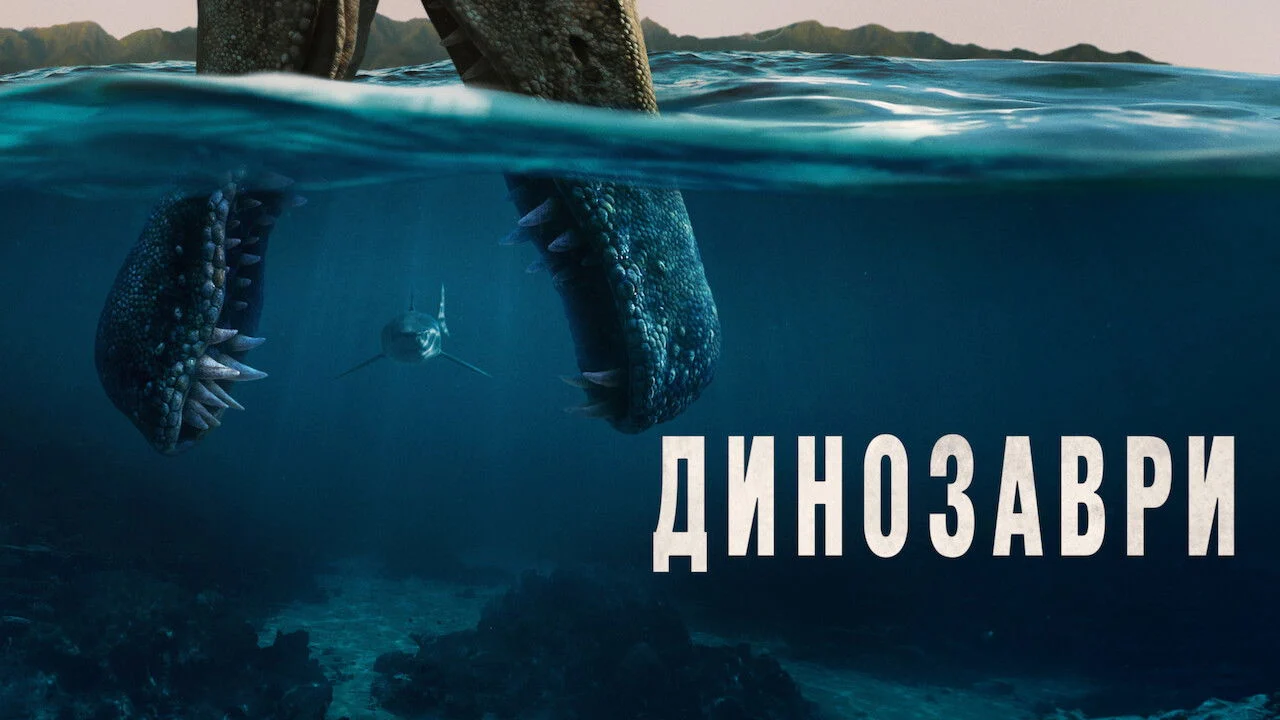
Episode three focuses on the Cretaceous era, when dinosaurs reach peak diversity. Massive predators such as Yutyrannus hunt across snowy landscapes while Spinosaurus adapts to a semi-aquatic lifestyle.
The final episode covers the asteroid impact that ended the dinosaur age, showing how environmental collapse wiped out species that once ruled the planet.
Morgan Freeman’s Narration Holds the Series Together
Morgan Freeman’s narration gives the series its emotional core. His voice carries a calm authority that helps translate dense scientific history into something easy to follow.
The narration also injects occasional humor and warmth, preventing the show from feeling like a dry educational lecture.
Unlike fictional documentaries, the series relies entirely on Freeman’s voice and the visual storytelling of the animals themselves. That choice keeps the focus squarely on the prehistoric world.
Visual Effects and Technical Craft
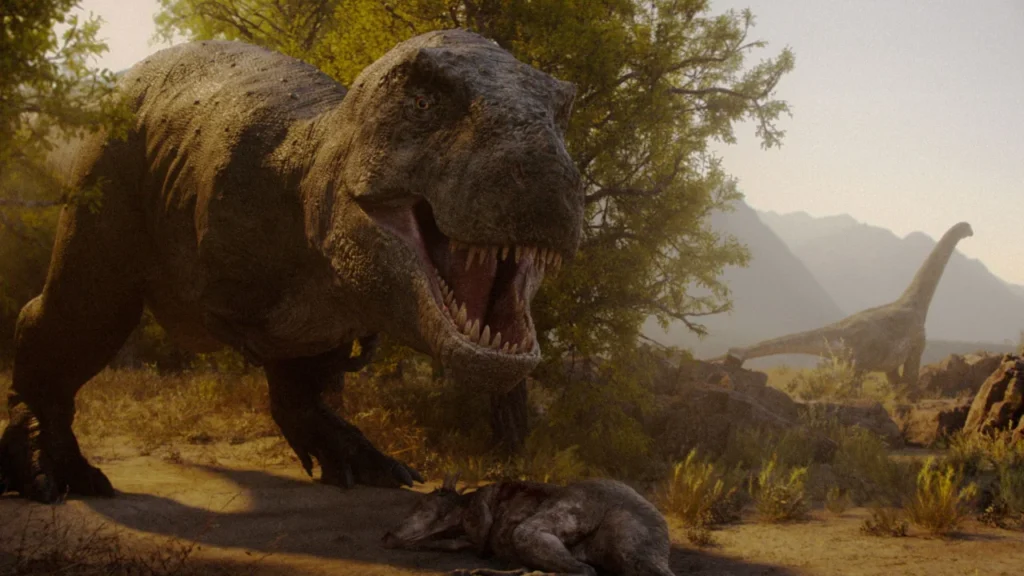
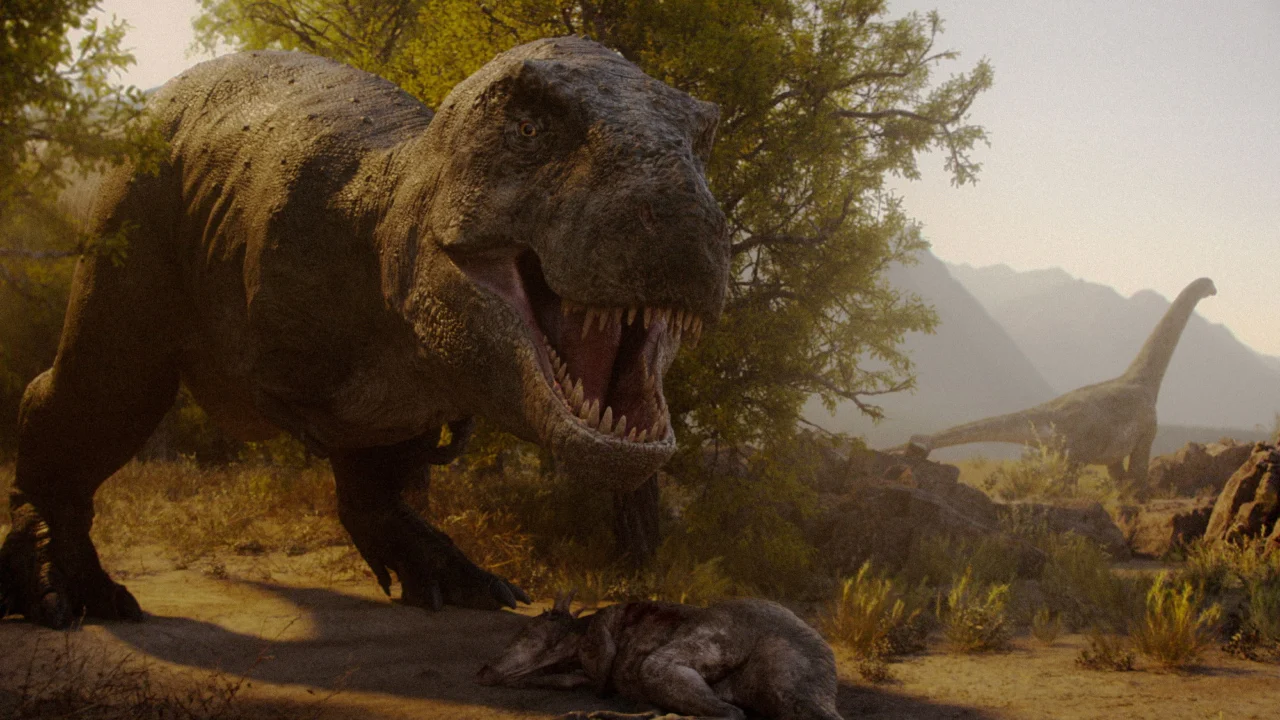
One of the biggest strengths of The Dinosaurs is its photorealistic CGI, created by Industrial Light & Magic. The dinosaurs move, hunt, and interact in environments that feel surprisingly believable.
Large-scale moments—like predator chases or the asteroid impact—deliver the kind of spectacle audiences expect from modern nature documentaries.
The sound design also deserves credit. Environmental sounds, animal calls, and the musical score by Lorne Balfe add weight to the visuals without overpowering the narration.
Technically, the series matches the visual ambition of recent natural history hits like Our Planet and Life on Our Planet, though here the focus remains entirely on prehistoric ecosystems.
Strengths of The Dinosaurs
The biggest win for the series is accessibility. The show explains major evolutionary moments without overwhelming viewers with academic jargon.
The CGI reconstructions are another highlight. The dinosaurs feel dynamic and alive rather than museum exhibits brought to life.
The structure also works well for younger viewers and families. Each episode presents a clear survival narrative that’s easy to follow.
For casual viewers interested in prehistoric life, the series delivers a visually engaging overview of dinosaur evolution.
Weaknesses and Missed Opportunities
The documentary occasionally slips into repetition and rated by 3.5 out of 5 on HDHub. Each episode follows a similar survival cycle: environmental change, adaptation, predator-prey struggle, and extinction threats.
Some critics also point out that the show doesn’t introduce much new scientific information for serious dinosaur enthusiasts.
Pacing can feel uneven at times. Certain evolutionary periods receive only brief coverage while others stretch longer than necessary.
For viewers already familiar with paleontology documentaries, parts of the series may feel familiar.
Box Office and Streaming Performance
Since The Dinosaurs premiered directly on Netflix, it doesn’t have a traditional box office run.
However, the series quickly climbed to the top of Netflix’s US streaming charts on its first day. That early performance suggests strong interest in high-quality natural history content.
The combination of Spielberg-backed production, ILM visuals, and Morgan Freeman narration clearly helped the show stand out in the streaming lineup.
Is The Dinosaurs Worth Watching?
Yes—especially if you enjoy visually driven nature documentaries.
The Dinosaurs works best as an accessible introduction to prehistoric life. Families, students, and casual viewers will likely enjoy the clear storytelling and stunning visuals.
However, viewers looking for groundbreaking paleontology insights may find the content a bit surface-level.
Still, the series delivers enough spectacle and storytelling to keep most audiences engaged.
Final Verdict
The Dinosaurs is a polished and visually impressive documentary that brings prehistoric ecosystems to life. The CGI reconstructions and Morgan Freeman’s narration carry the series through its occasional pacing issues.
While it may not offer groundbreaking scientific revelations, it succeeds as an engaging and accessible overview of dinosaur history.
For viewers curious about how dinosaurs rose to dominate Earth—and how they ultimately disappeared—this Netflix series delivers a solid watch.