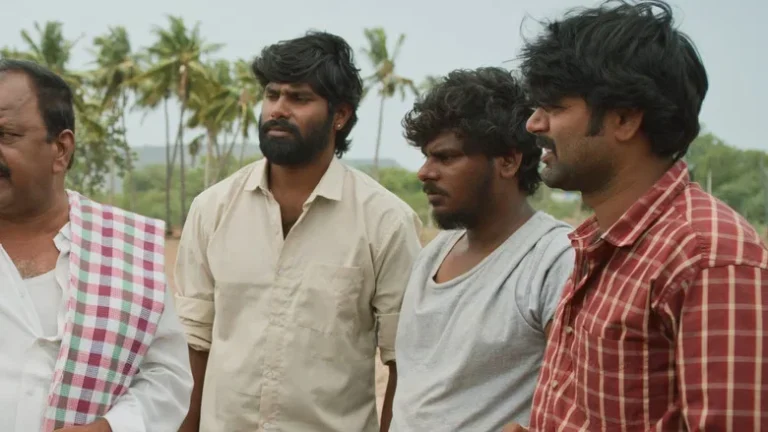
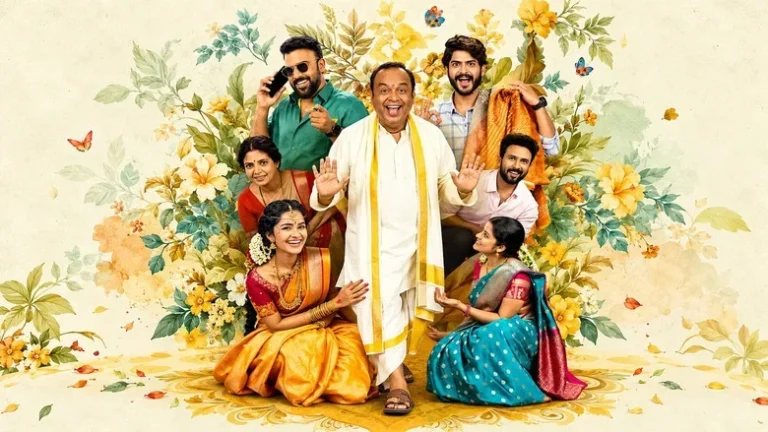
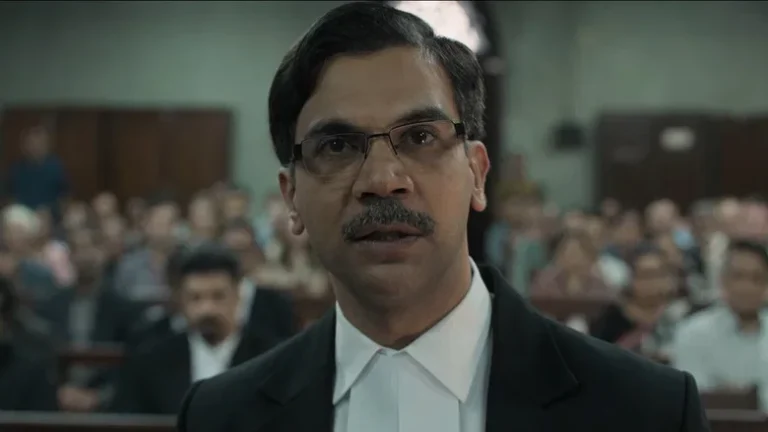
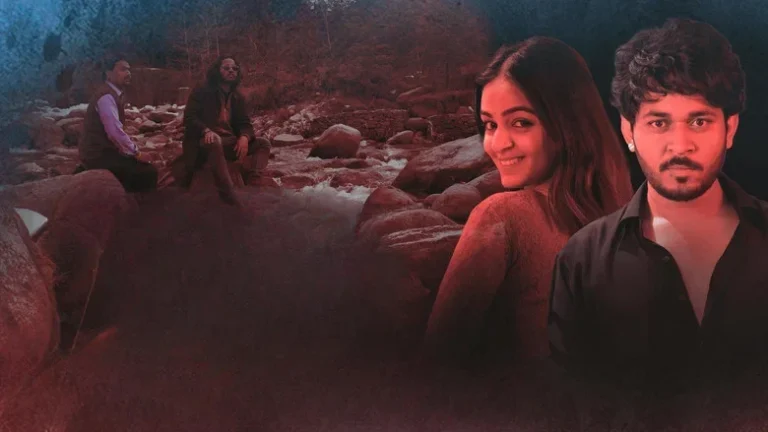
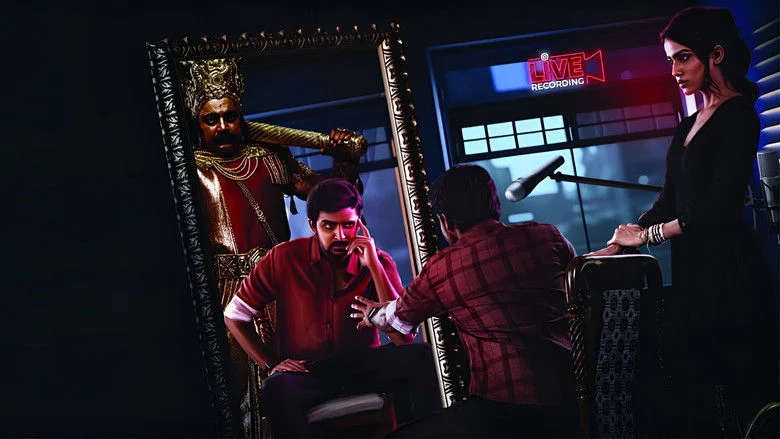
Priyadarshi Pullikonda has always been the kind of actor who finds truth in the corners of a scene, the hesitation before a line, the stillness that speaks louder than dialogue. Suyodhana arrives as a Telugu drama that seems to know this about its lead and constructs itself almost entirely around that intelligence, for better and occasionally for worse.
Y.S. Madav Reddy Directs With Restraint, But Gaps Show
Director Y.S. Madav Reddy demonstrates a clear preference for atmosphere over exposition. There is patience in how the film unfolds, a quality that feels deliberate rather than accidental. That restraint is the film’s most consistent strength.
The screenplay, penned by Srinu Dharmarajula and Srinu Kambala, however, struggles to match that visual patience with structural discipline. Certain dramatic turns feel under-written, arriving without the emotional scaffolding that would make them land properly. I find it particularly frustrating when a director has obvious taste but the writing refuses to keep pace.
Drishika Chander Holds Her Own Against the Film’s Silences
Drishika Chander, opposite Priyadarshi, brings a grounded quietness to her role. Her casting signals the film’s intent clearly, this is not a drama interested in performative emotion. It wants earned feeling, and she delivers that register with consistency.
Saikumar Pudipeddi and Rajshree Nayar round out the ensemble. Pudipeddi’s presence adds weight to scenes that might otherwise drift, while Nayar brings a textured authenticity that supporting roles in Telugu drama too often sacrifice for function. Both suggest a film that casted thoughtfully, even when the material doesn’t always reward them.
The Drama’s Craft Depends Heavily on Kartheek Koppera’s Frames
Cinematographer Kartheek Koppera’s work is where Suyodhana finds its most consistent voice. The frames carry mood without announcing themselves, light used as emotional shorthand rather than spectacle. For a drama of this scale, that restraint from the DOP is exactly what is needed.
Editor Chota K Prasad keeps the rhythm controlled, though there are stretches where tighter cuts would have sharpened the emotional impact considerably. The pacing trusts the audience, which is admirable, but occasionally that trust tips into indulgence.
Composer Jay Krish’s score and lyrics by ‘Saraswati Putra’ Ramajogaiah Sastry provide the film’s emotional punctuation. The music never overwhelms, which suits the drama’s understated register. Together, these technical choices build a film that looks and sounds more assured than its narrative sometimes earns.
If Telugu drama with this kind of performance-led sensibility interests you, Telugu Drama reviews on this site cover the genre with the same analytical rigour.
Audience Reception Reveals a Film That Divides Along Patience Lines
Suyodhana appears to have found an audience that values the quieter register of Telugu drama, viewers willing to sit with ambiguity and lean into performance over plot mechanics. That is not a small audience, but it is a specific one.
Those arriving with expectations of conventional dramatic payoffs, neat emotional resolutions, clear conflict arcs, will likely exit frustrated. The film’s refusal to hand-hold its audience is either its most interesting quality or its most alienating one, depending entirely on what you bring into the theatre.
Suyodhana is worth your time if you have patience for understated Telugu drama and a genuine appreciation for what Priyadarshi Pullikonda does with minimal instruction, watch it on the biggest screen available to absorb Koppera’s cinematography properly. If you need a screenplay that matches its actors beat for beat, this one may leave you wanting more from Dharmarajula and Kambala’s writing. Go for the performances; manage your expectations around the structure.
Suyodhana (2026) earns a 2.75 out of 5, a film with real craft in its corners, a lead actor doing genuinely interesting work, and a screenplay that simply doesn’t rise to meet either of them.
For a similar study of how character performance can rescue uneven writing, Happy Raj review in Happy Raj covers exactly that tension.
Paharganj to Phuket shares Suyodhana’s instinct for letting mood carry narrative weight, read about Paharganj to verdict to see how a similar approach plays out in a very different context.