Michael Jackson’s childhood unfolds in grainy domestic moments before the Jackson 5 machinery kicks into gear, a deliberately quiet setup that immediately contradicts the film’s own aspirations. Antoine Fuqua’s biographical drama arrives with all the structural confidence of a cradle-to-stardom narrative, yet stumbles on the most basic biopic requirement: making us believe in the character’s interior life rather than his external mythology.
The central tension here isn’t whether Jaafar Jackson can physically embody his famous uncle, it’s whether the film can convince us that watching a famous man become more famous constitutes dramatic storytelling. Spoiler: it doesn’t quite manage it.
Jaafar Jackson’s Casting Gamble and Its Limitations
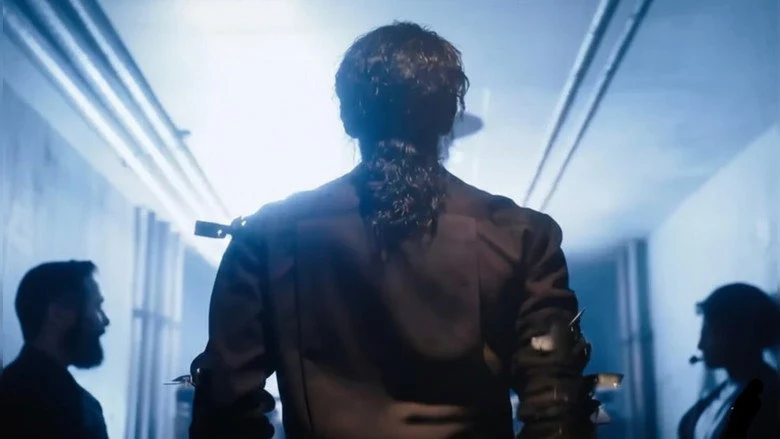
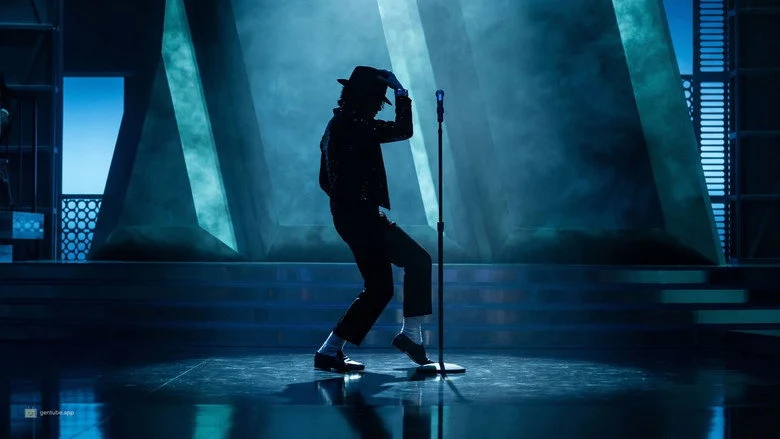
Positioning Jaafar Jackson as Michael creates an immediate authenticity claim that the film never fully justifies. The casting signals genetic proximity rather than earned interpretive depth, and the role requires him to move through both childhood origins and early solo stardom without developing a coherent emotional through-line. He’s locked inside performance sequences rather than given scenes where vulnerability might crack the icon’s surface.
Antoine Fuqua’s Structural Confidence Masking Dramatic Incoherence
Fuqua’s strength lies in mapping career milestones with mainstream clarity, childhood into Jackson 5, transition into solo artistry, build toward the Bad World Tour era. That’s solid biographical scaffolding. Yet the framework collapses when scrutinized: critics widely noted the film fails to sustain dramatic credibility between its ambitious subject matter and its actual execution. The script by John Logan treats milestones as achievements to document rather than pressures to explore.
The Biopic’s Central Problem: Performance Reconstruction Over Character Depth
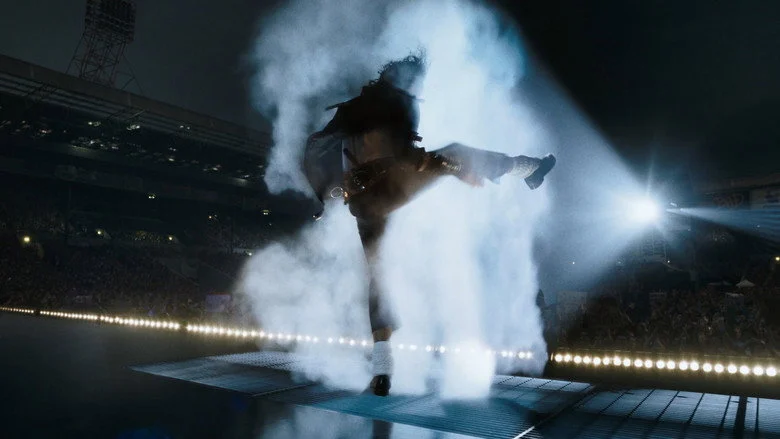
The film leans heavily on recreating early solo performances as its emotional and structural anchor. Early solo performance sequences demonstrate technical ambition but ultimately sidestep the harder biographical work, showing us *what* Michael Jackson did rather than *why* it cost him something. The staging looks constructed rather than felt.
This is where the gap between concept and execution widens most dangerously. A 127-minute runtime compressing decades of complex fame should force impossible choices; instead, it drifts between childhood scenes, industry pressures, and performance set-pieces without landing on genuine internal conflict. The film assumes Michael Jackson’s life is inherently dramatic because he’s famous, not because the script has earned that drama through character work.
Rotten Tomatoes registered the critical consensus at 39%, a rating that reflects widespread skepticism about whether this biographical approach could work with any subject, let alone one as heavily scrutinized. The problem isn’t disrespect, it’s narrative inertia.
For those seeking deeper analysis of contemporary cinema, English Biography reviews across multiple genres remain essential reading before committing your viewing time.
Supporting Cast Embedded Without Agency
Colman Domingo and Nia Long anchor the early-life and family-context material, but both are positioned as contextual figures rather than active dramatic partners. Their presence signals biographical scope without creating scenes where family dynamics genuinely fracture or clarify Michael’s choices. Miles Teller, Laura Harrier, and the ensemble appear as industry frameworks, agents, producers, peers, who exist to explain circumstance rather than to challenge or complicate the central character’s trajectory.
The Real Issue: Michael Jackson Deserves Better Craft Than This
The film’s underlying problem isn’t its subject or its cast, it’s the assumption that access to family connection and production budget can substitute for dramatic invention. Critics noted difficulty making the material feel “fully realistic or fully coherent, ” and that observation cuts to the film’s core weakness. I found myself watching a well-mounted exercise in biographical completion rather than a film that had something urgent to say about fame, control, or artistic becoming.
Audiences drawn to music-biopic reconstruction and Jaafar Jackson’s family connection will find recognizable performance sequences and clear milestone progression. Everyone else should wait for a version willing to interrogate its subject rather than simply document him. The $155 million budget suggests ambition; the 39% critical consensus suggests that money bought production value but not storytelling depth. Watch it in a theater if you must, but don’t expect the film to justify the investment.
Michael arrives with prestigious direction and family-cast intrigue but settles for biographical competence where it needed interpretive boldness, a 2.5/5 film that mistakes structural clarity for emotional truth.
For similar examination of how biographical framing shapes character credibility, Star Wars review offers comparative insight into how legacy casting works across genres.
How institutional pressure suffocates creative identity parallels the thematic collapse in KD Devil verdict more broadly in recent biopics.