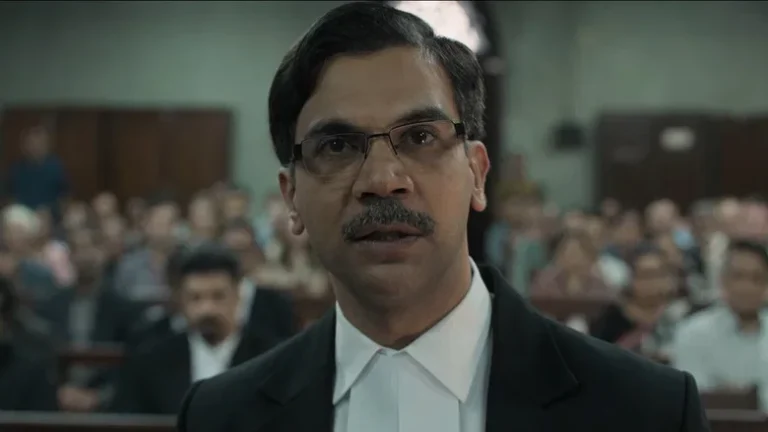
Matt Damon plays Odysseus here not as a swaggering warrior, but as a man whose eyes have already seen too much. In the opening stretch, as he leaves Ithaca with Penelope, the weight is all in the stillness.
Damon does not emote; he registers. It is an unexpectedly internal performance for a film this large, and it grounds the spectacle.
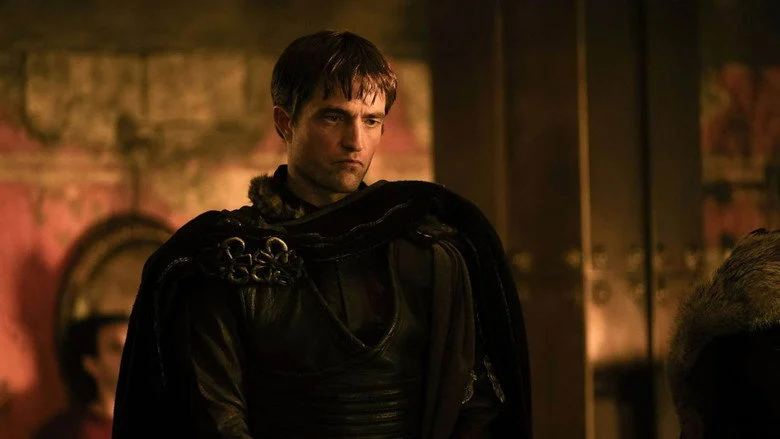
Nolan Directs Like a Scholar, Not a Showman
Christopher Nolan’s screenplay clings to Homer’s source text with a fidelity that feels almost academic. The encounters, the Cyclops Polyphemos, the sorceress Circe, are rendered with precise, unflashy direction.
The flaw? The middle act sags under the weight of episodic structure. Each monster is a setpiece, but the connective tissue between them is thinner than it should be. I first thought Nolan might have cut a quieter character beat that would have held the voyage together.
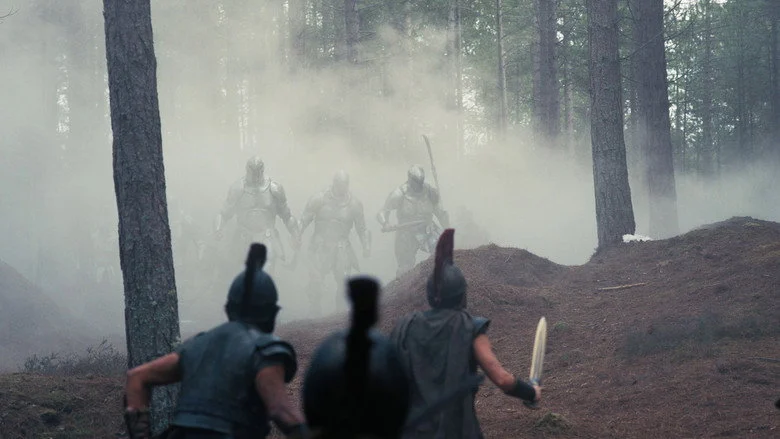
Genre-Core Execution: Myth Meets Muscle
Nolan stages the Cyclops confrontation with brutal, grounded geography. The giant is not a CGI smear but a physical presence, and the fight choreography uses caves and shadows to sell scale. It feels closer to Gladiator than Greek fantasy.
The Circe encounter shifts registers entirely, Charlize Theron plays her with an icy, almost clinical menace. Nolan films her island as a place of hallucinatory stillness, a sharp contrast to the monster brawls. This tonal whiplash works, but only just.
Where the film falters is in its action-rhythm. The sirens sequence, one of the book’s most famous moments, feels rushed. Nolan cuts away too quickly, as if embarrassed by its mythic strangeness. A longer, more hypnotic beat would have sold the danger.
If colossal mythologies and muscular storytelling appeal to you, browse our growing collection of English Action reviews for more analyses.
Charlize Theron and Tom Holland: Two Kinds of Presence
Theron’s Circe is the film’s most unnerving element. She does not shout; she whispers commands, and the camera holds on her stillness longer than it should. It is a performance that implies centuries of boredom and cruelty.
Tom Holland’s Telemachus, by contrast, is all coiled youth. His best moment comes in the quiet scene where he takes his father’s throne, Holland plays it as a boy forced into a man’s armour, awkward and earnest. The casting signals Nolan’s intent to build a generational bridge, not just a hero’s return.
Audience Reception: The Faithful vs. The Restless
Fans of Nolan and classical mythology will find a rigorously faithful adaptation. But viewers seeking fast-paced modern action without mythological complexity should look elsewhere.
The film’s 173-minute runtime tests patience, especially in the middle. Early chatter suggests a divide: purists admire the craft, while others wish Nolan had let the monsters be more monstrous. This is a film made for the patient, not the restless.
Go for the Cyclops, stay for the stillness between battles. This is a film to watch in a quiet theatre with no distractions, preferably on the biggest screen you can find, for the IMAX-grade landscapes.
Matt Damon and Charlize Theron carry Nolan’s The Odyssey through its weakest stretches, earning a solid 3.5 out of 5 for ambition and craft, even if the pacing drags.
Explore how another actor anchors a genre film by reading our take on Father s review.
Compare this performer’s energy with Idhayam Murali verdict.