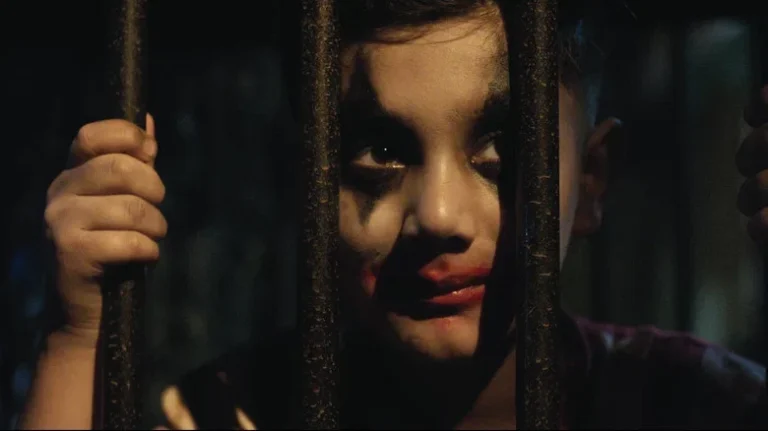
Chennai, 2040. Monorails slice through a skyline lit like Times Square, drones deliver packages, and an app called Love Insurance Kompany decides who you should date. Vaasey, voiced by Pradeep Ranganathan, works as the virtual companion behind the app but refuses to own a phone himself. He falls for Dheema, played by Krithi Shetty, whose entire romantic life depends on that very algorithm. This setup, bold and inherently conflicted, signals Vignesh Shivan’s ambition to dissect our surrender to technology through a rom-com lens. But ambition and execution rarely share the same timeline here.

Pradeep Ranganathan Plays Against Type But The Script Won’t Let Him Breathe
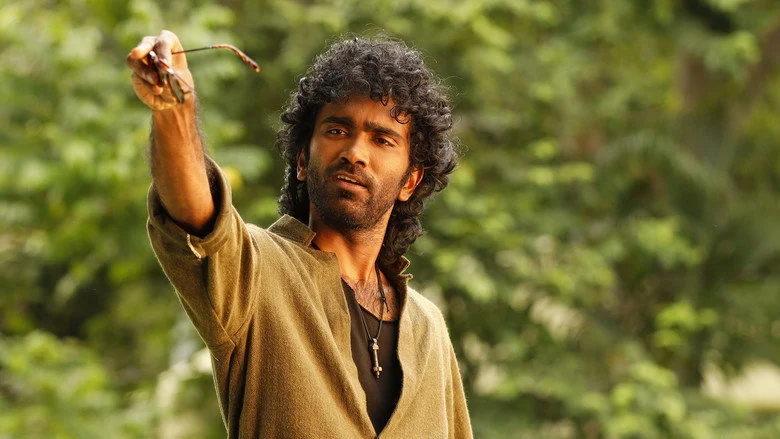
Pradeep occupies an unusual space as Vibe Vaasey, a man from an organic commune where punishment means living without connectivity. The irony of voicing an app while rejecting its grip should spark tension. It doesn’t. His instant attraction to Dheema lacks the slow-burn friction his earlier films weaponized so effectively. The writing hands him a concept, not a character arc. When the app begins dictating their relationship, Pradeep reacts rather than drives the conflict. That passive register dulls the comedic sparring.
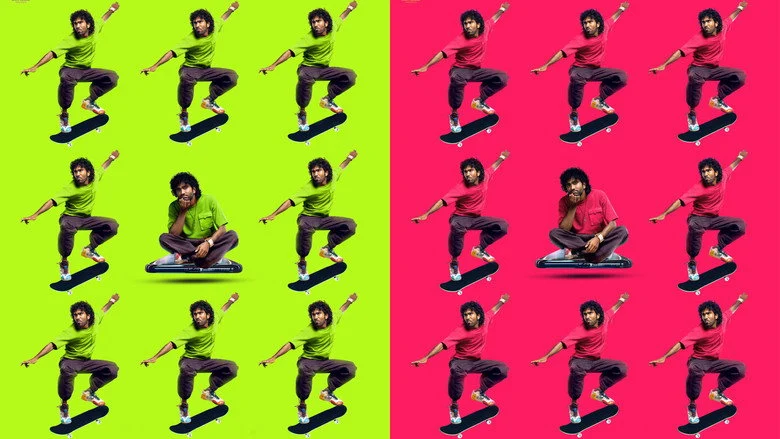
Vignesh Shivan Builds A Futuristic Shell But Forgets To Wire The Story
Shivan’s futuristic Chennai impresses visually. Hi-tech hospitals, sleek transport systems, and digital surveillance frame the narrative convincingly. But confident production design cannot mask repetitive writing. The film peaks when SJ Suryah’s app starts actively puppeteering the romance, a moment where pop culture nods and human vulnerability briefly coexist. Then it collapses. India Today called it “a rom-com that entertains more than it convinces, ” and that gap widens with each scene. Gulte went harder, stating that “the lack of ideas and imagination from the writer and director, Vignesh Shivan, turned it into a mess of a film.” The screenplay leans so heavily on warnings about technology that the human love story becomes collateral damage.
Romantic Comedy Needs Chemistry And Rhythm, This Film Delivers Neither
The genre demands opposing energies colliding until they combust into something magnetic. Vaasey champions human interaction. Dheema trusts the algorithm. That’s the friction point. Yet the film never capitalizes on it. Their early exchanges feel procedural, not playful. The romance stalls because the script prioritizes its cautionary tech thesis over emotional beats.
When the app reaches full control, orchestrating dates and conversations, the comedy finally sparks. That sequence works because it visualizes the central danger: algorithms deciding intimacy. But surrounding that peak are long stretches of exposition about surrendering agency to apps. The specificity of the Love Insurance Kompany threat gets buried under broader, duller warnings about screen addiction. The pacing never recovers.
At 2 hours 37 minutes, the film stretches thin. Scenes repeat their cautionary beats without escalating tension. The futuristic setting, initially a strength, becomes window dressing. The rom-com structure demands escalation through misunderstanding, reconciliation, and stakes that feel personal. Here, the stakes remain conceptual. The algorithm controls them, sure, but we never feel the emotional cost of that control beyond surface frustration.
For those tracking how Tamil romantic comedies balance genre craftsmanship with deeper questions, our Tamil Sci Fi reviews catalogue films that manage both registers without sacrificing one for the other.
SJ Suryah And Seeman Anchor Scenes The Leads Cannot
SJ Suryah plays Suriyan, the architect behind the Love Insurance Kompany app. His presence injects menace into a film desperately needing sharper edges. When he appears, the film remembers it has antagonistic energy. Suryah understands how to make control feel intimate and invasive, and his scenes land harder than the romantic subplot ever does.
Seeman as Anbukadal, Vaasey’s father, runs the organic commune like a technophobic cult leader. His casting signals that the film wants to interrogate both extremes: blind tech worship and blanket rejection. But the script doesn’t explore that tension. Seeman delivers the expected gravity, yet his role remains ornamental. Yogi Babu, Gouri G Kishan, and Amritha Aiyer populate the edges without memorable beats to anchor. Krithi Shetty’s Dheema feels underwritten, a function of the algorithm debate rather than a participant with her own contradictions.
Audience Reception And The Shifting Release Calendar Tell Their Own Story
The film’s journey to screens was turbulent. Originally slated for Diwali 2025, it moved to December 18, 2025, then April 3, 2026, before finally landing on April 10, 2026. Multiple reschedules often hint at studio uncertainty or post-production struggles. In this case, it suggests both. The final product feels assembled rather than cohesive, as if different drafts of the script coexisted without reconciliation.
Anirudh Ravichander’s score, typically a Vignesh Shivan strength, doesn’t lift the narrative this time. The music exists, but it doesn’t amplify emotional turns or comedic peaks. For a rom-com leaning into futuristic aesthetics, the soundscape needed to bridge spectacle and intimacy. It does neither decisively.
Pradeep Ranganathan’s earlier films like Love Today and Dragon leaned into millennial anxieties with sharper comic timing and tighter runtimes. Here, the ideas sprawl without discipline. Gulte’s harsh verdict resonates: the film becomes unbearable past a certain point, not because it lacks ambition, but because it refuses to choose between rom-com and cautionary fable. I wanted to root for Vaasey and Dheema’s relationship, but the film keeps reminding me to worry about my screen time instead.
If you appreciate romantic comedies that risk unconventional structures but stumble on execution, Worst He review attempts a similar high-concept gamble with mixed results in tone management.
Skip the theatrical run unless you’re deeply invested in Vignesh Shivan’s filmography or Pradeep Ranganathan’s evolving choices. The futuristic Chennai deserves better material. The rom-com bones exist, but the execution never commits to either the romance or the comedy long enough to matter. Wait for streaming if curiosity persists, but temper expectations. The tech-warning sermon drowns the love story before either gets off the ground.
Love Insurance Kompany risks bold ideas but forgets to insure its own emotional core, earning a generous 2 out of 5 for ambition that never finds its rhythm.
For films exploring tech anxiety through genre frameworks with sharper narrative control, Oru Durooha verdict wrestles similar thematic collapse under conceptual weight.