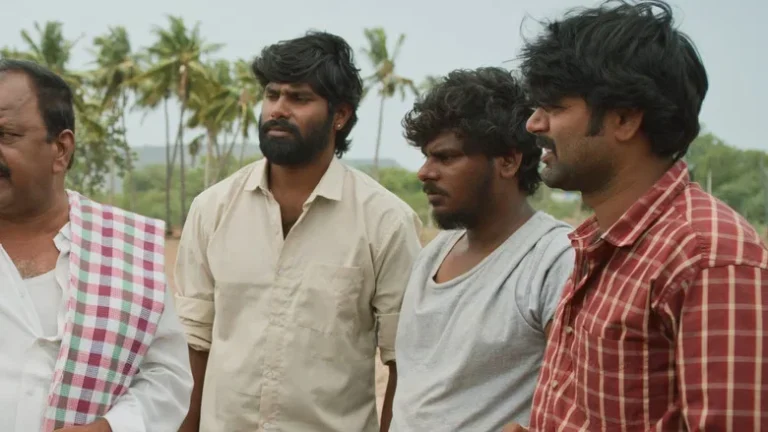
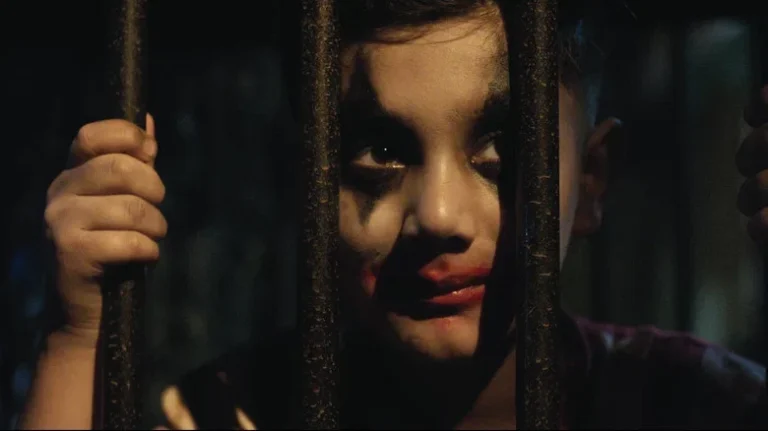
A wedding morning in 1988 Sri Lanka. Puttu steams in the kitchen, marriage arrangements fill the air, then Indian Army boots cross the threshold. Captain Naveen Chandra orders his IPKF unit to hold the Tamil family hostage until dawn, no backup, radio silence, rebels circling outside. What could be a knife-edge thriller becomes a frustrating wait as Someetharan’s debut feature trades tension for ethnographic detail.
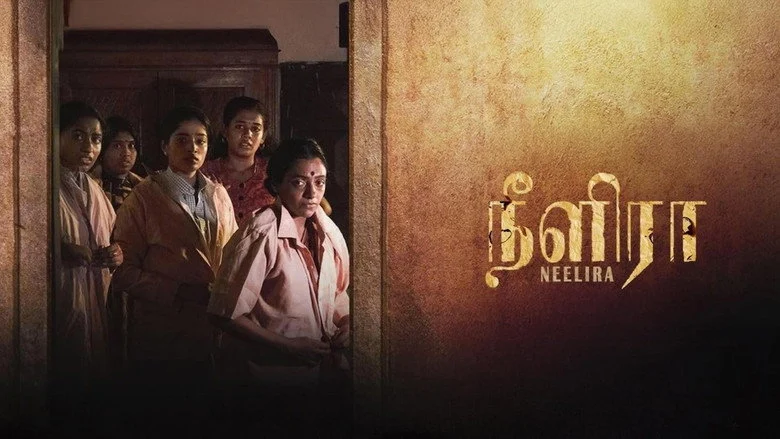
Naveen Chandra Fortifies a House but Not the Performance
Naveen Chandra’s Captain barks orders, secures windows, positions men. He’s meant to embody the occupier’s paranoia. Yet the performance stays surface-level, military posture without the moral unraveling a hostage taker demands. When he shares chapatis with the family and hears their love for Vijayakanth, the exchange lands flat. There’s no flicker of doubt, no crack in the uniform. The script gives him a locked room and scared civilians, but Chandra never makes us believe he’s wrestling with the night’s weight.
Someetharan Chooses Atmosphere Over Stakes
Someetharan’s direction wrings authenticity from the 1988 setting, dogs bark warnings, women pull shirts over saris for modesty under armed watch. The production design breathes. But the screenplay collapses inward. A three-way standoff, family, soldiers, LTTE rebels, should tighten like a noose. Instead, it stalls. Times of India awarded it 3.5 stars, praising the taut 90-minute frame. That tautness feels accidental, not engineered. Scenes meander through cultural texture, puttu preparation, Vijayakanth fandom, hoping details substitute for escalating dread. One character mutters, “I know it’s a war for peace. War is just war. Where’s peace in it?” The line lands because the rest of the film refuses to interrogate its own politics. Someetharan empties the chamber piece of ideology, leaving only a long, suffocating wait.
The Hostage Standoff Starves Itself of Oxygen
Genre craft demands escalation. Radio silence confirms no backup until dawn, perfect pressure. Rebels detect the soldiers’ presence, closing in. The house becomes a trap for everyone inside. Yet Someetharan never springs it. The soldiers fortify, the family cowers, the rebels lurk. Rinse, repeat. No failed escape attempt. No internal betrayal. No miscalculation that invites chaos.
The best hostage films don’t need explosions, they need a room, a locked door, and people who can’t afford to blink. Neelira has the room and the door. It forgets the stakes. One critic called it “a glimpse into surviving wartime.” Surviving, yes. Thrilling, no. The single-location gambit should compress time into agony. Here, it just feels long.
A closing note reveals one character’s journey from Sri Lanka to Europe. It’s poignant in theory. But the film hasn’t earned the emotion. The night drags without catharsis, so the epilogue lands like an apology, not a payoff.
For readers drawn to single-location pressure chambers and tense ensemble casts navigating impossible moral terrain, explore more Tamil Thriller reviews that dissect how directors wield claustrophobia as weapon or crutch.
Roopa Koduvayur and the Ensemble Wait in the Wings
Roopa Koduvayur anchors the family side, but the screenplay gives her little beyond reactive fear. Kaarthekeyen S, Karthik Subbaraj, Rana Daggubati, strong names buried in underwritten roles. Rana’s casting signals prestige, yet his presence barely registers. The ensemble exists to populate the frame, not to crack it open. In a chamber piece, every actor should feel like a live wire. Here, they’re set dressing.
Audience Reception Sees Poignancy, Critics See Stasis
Viewers praised the film as a poignant window into a war child’s memories. The cultural specificity resonates, anyone who lived through civil conflict will recognize the dread in a barking dog, the forced politeness when uniforms enter your home. But poignancy isn’t propulsion. I found myself checking the runtime, waiting for the film to justify its own premise. A 90-minute hostage thriller should leave bruises. Neelira leaves a shrug.
If you’re chasing authentic Sri Lankan war atmosphere and can tolerate a slow burn that never quite ignites, stream it at home. Let it play in the background while you fold laundry. The production design deserves a glance. The tension doesn’t demand your full attention.
Neelira captures a night no one should live through, then refuses to make us live through it, skip it unless historical texture alone satisfies, earning a hesitant 2.5 out of 5.
If you appreciated how Mr X review similarly struggled to extract thriller velocity from a single-location premise despite casting heft, you’ll recognize the same structural inertia here.
Where Love Insurance verdict drowned ambition in tonal scatter, Neelira suffocates it in deliberate stillness that mistakes restraint for depth.