An NRI dozes off drunk near a cursed fort after his childhood love marries someone else. What begins as romantic misadventure curdles into supernatural dread – a village whispers, an ancient darkness stirs, and Veeru wakes entangled in forces far beyond heartbreak. The promise is there, and so is the disappointment.
Sangeeth Shobhan Carries the Comedy, Loses the Thriller
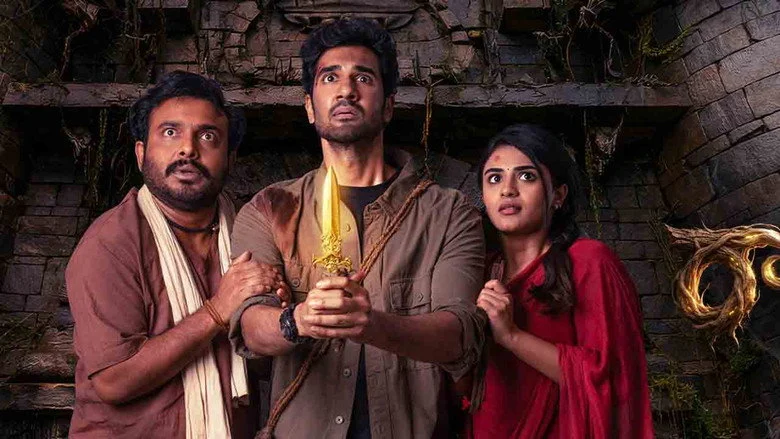
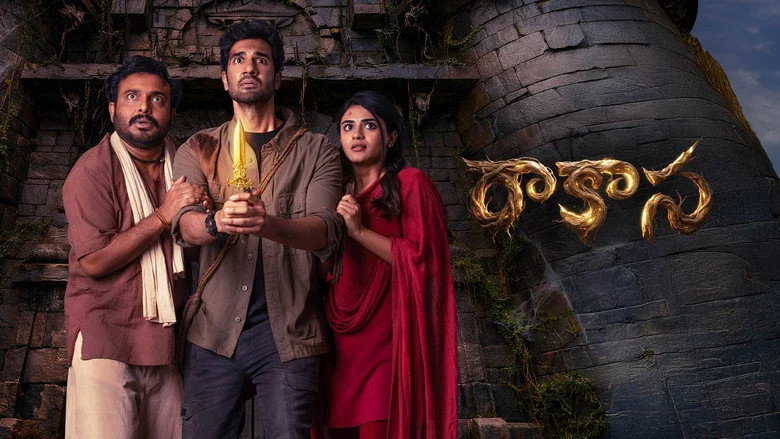
Sangeeth Shobhan as Eera Babu brings cheerful energy to the NRI returnee role, landing the humor with ease. His comic timing holds the weaker first half together. But the moment the film demands fear, his performance flattens. The shift from goofy to genuinely terrified never convinces, and the genre pivot suffers because of it.
Manasa Sharma Chooses Atmosphere Over Spectacle, Then Abandons Both
Manasa Sharma’s debut direction shows restraint – no flashy ghosts, no jump-scare onslaught, just creeping unease built through dialogue and village lore. That’s a gamble worth taking. But the inconsistent visual quality undercuts every tense moment. Frames that should haunt instead look flat, and the weak first half drags momentum to a crawl. She sets up atmosphere, then fails to sustain it.
The Fantasy-Thriller Mechanics Collapse Under Basic Plotting
The film plants its stakes early: a girl bound to bad luck, a village steeped in fear, greed and revenge woven into ancient curses. That’s fertile ground for genre thrills. The screenplay by Sharma and Mahesh Uppala builds tension through restraint in the first act, avoiding cheap supernatural clichés.
Then the second half shifts hard into thriller territory, and the execution stumbles. The mythology never deepens beyond surface gestures. The suspense peaks feel telegraphed, not earned. Telugu Telugu Thriller reviews often forgive thin plotting if the craft compensates – this one offers neither spectacle nor structural wit.
Rotten Tomatoes’ Sashidhar Adivi nails the letdown: “RaaKaaSaa has many compelling ideas up its sleeve, but ultimately settles for being a safe popcorn entertainer rather than a fantasy saga.” The ideas are there – atyasa and prateekaram as moral anchors, mysticism as character driver – but the film never commits to the scale its premise demands.
Getup Srinu, Tanikella Bharani, and a Cast That Deserves Better Material
Getup Srinu and Vennela Kishore handle the comic relief competently, though neither gets a standout moment. Tanikella Bharani and Brahmaji lend gravitas to the village elder roles, grounding the supernatural in cultural texture. Their casting signals that the film wants folkloric authenticity, but the script gives them little room to deepen that texture. Nayan Sarika as the lead opposite Shobhan registers as underwritten – her character’s bad-luck premise never evolves into emotional weight.
Niharika Konidela Bets on Fantasy Again After Committee Kurrollu
Producer Niharika Konidela previously backed Committee Kurrollu in 2024, showing appetite for genre-bending Telugu content. Raakaasa pushes further into fantasy, aiming for the mythology-meets-thriller sweet spot. But where Kurrollu leaned into fresh ensemble dynamics, this one recycles basic plot mechanics. Times of India and Gulte both rated it 2.5/5, landing it squarely in middling territory. Audiences on Letterboxd admit surprise at the fun, but note the plot’s thinness: “This really surprised me because of the fun but with basic plot.”
The film had the ingredients – a debut director willing to avoid tropes, a solid comic lead, a mythology-rooted premise, and backing from Pink Elephant Pictures and Zee Studios. But it chose safety over ambition. Theatres are worth it only if you’re starved for Telugu fantasy and willing to forgive inconsistent visuals and a sluggish first hour. Otherwise, wait for Netflix.
Band Melam review showed how first-time talent can anchor belief even when the material wobbles – Shobhan does the inverse here, landing the comedy while the film itself forgets how to thrill.
Raakaasa is a watchable misfire that never earns the scale its mythology demands – a generous 2.5 out of 5.
Adivi Sesh’s work in Dacoit verdict, carrying key stretches without sustaining full conviction across the runtime.