Irumudi (2026): Ravi Teja’s pilgrimage drama finds its soul in fatherhood


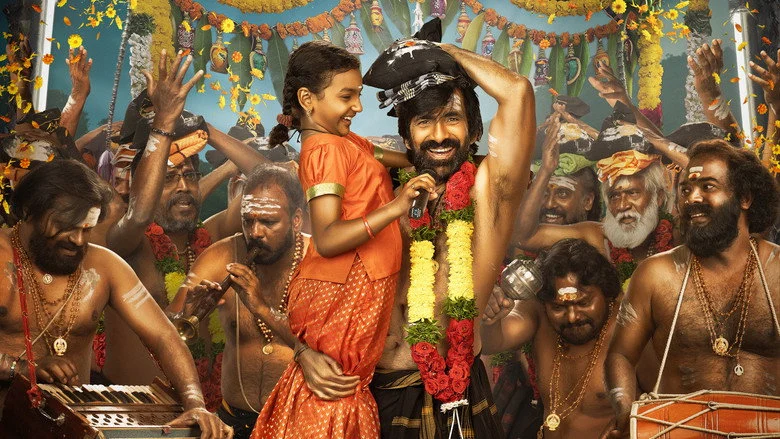
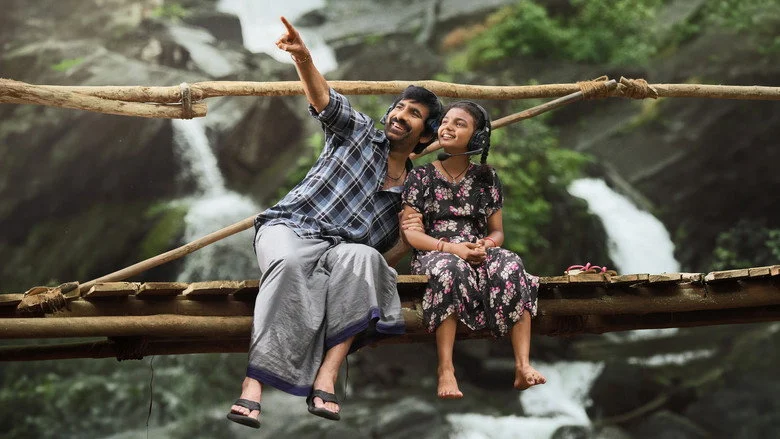
There’s a moment in the trailer that sticks, a daughter, a waterfall, and a father trying to outrun the violence that defines him. Ravi Teja, known for his energetic mass persona, is visibly restrained here, and that shift alone signals what Shiva Nirvana is attempting.
This is a quieter, more introspective Ravi Teja, one who carries the weight of a man who knows his past could destroy the peace he’s built. The emotional register is unfamiliar territory for the actor, and the trailer suggests he’s meeting it with a maturity his recent filmography hasn’t demanded.
Shiva Nirvana’s screenplay banks on a single, sturdy idea
The redemption-through-pilgrimage structure is the film’s backbone, and it’s a solid one. The daughter’s request for the father to undertake the Ayyappa Deeksha is the story’s pivot, and it’s a genuinely affecting beat that gives the drama a spiritual spine.
But the screenplay, as far as the available material shows, leans heavily on this one emotional hook. The systemic oppression at the daughter’s school feels like a thread that could use more texture, it’s mentioned, but its integration into the larger conflict remains unclear from the trailer alone.
The genre-core: action filtered through family protection
The action here isn’t about spectacle, it’s about a man whose violence is a liability, not an asset. The fight choreography, based on the trailer’s conflict-heavy beats, appears grounded in the geography of family protection rather than mass-entertainment flourish. The waterfall setting isn’t just a pretty backdrop; it’s a symbolic boundary between the protagonist’s violent past and his aspirational peace.
The pilgrimage journey itself becomes the film’s visual and narrative engine. The Ayyappa Deeksha imagery carries the devotional weight, and the external threats to the daughter are framed as intrusions on a sacred process. It’s a smart structural choice, the faith element gives the action sequences a moral urgency they might otherwise lack.
The school-related oppression thread, however, needs careful handling. If the film treats it as a mere plot device to trigger the father’s protective instincts, it risks flattening a potentially resonant social critique. The U/A certificate suggests the film isn’t shying away from some harshness, but whether it earns that edge remains to be seen.
Priya Bhavani Shankar and the supporting framework
Priya Bhavani Shankar’s role appears tied to the domestic and emotional conflict lines, and her presence in the family structure gives the drama a grounding counterweight to Ravi Teja’s internal turmoil. The trailer doesn’t reveal much of her dynamic with the lead, but her casting signals a film that wants its female lead to be more than a prop.
Sai Kumar, as always, brings a gravitas that likely anchors the film’s moral framework. His character details are unconfirmed, but his casting alone suggests a figure of authority or conscience. Ajay Ghosh and Swasika Vijay round out a supporting cast that appears to have meaningful, if not fully revealed, contributions to the narrative’s central conflicts.
The devotional gamble and what it means for audience fit
Irumudi is a calculated risk, it asks Ravi Teja’s core fanbase to accept him in a mode that prioritizes vulnerability over swagger. The estimated ₹20 Cr production budget, as reported by TrackTollywood, suggests a commercially structured film, but the emotional core is what will determine its fate.
There’s no verified controversy attached to the film, and the U/A certificate indicates a smooth censor process. The real question is whether the devotional-pilgrimage angle, a genuine differentiator in Telugu action cinema, will resonate with mass audiences or feel like a tonal mismatch for those expecting a typical Ravi Teja outing.
For those who want to see how this compares to other recent Telugu outings, our Telugu Drama reviews cover the spectrum.
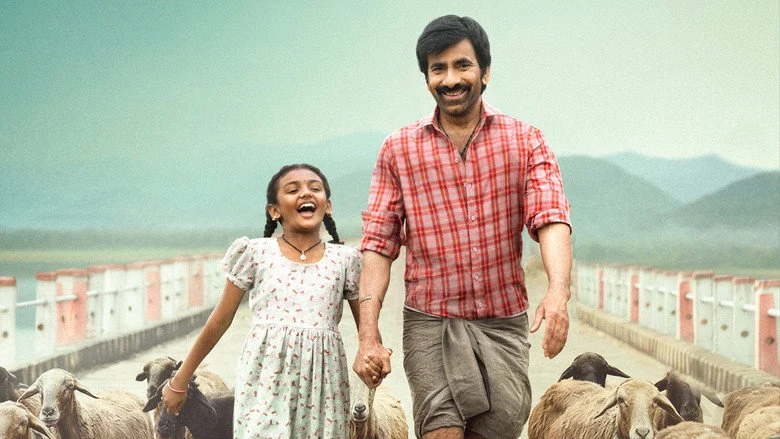
If the trailer is any indication, Irumudi is a film that understands its own premise, a violent man seeking grace through a sacred journey. The father-daughter beats are the film’s strongest asset, and Ravi Teja appears willing to serve them rather than dominate them. Whether the second half delivers on the conflict-driven promise remains the open question.
For a similar case of a performer carrying a film’s emotional weight, Khalifa Part review offers an interesting comparison.
Irumudi is worth a theatrical watch for Ravi Teja’s shift alone, but the devotional structure will test your patience if faith-centered drama isn’t your lane. I’d say it’s a solid matinee pick, not a must-watch, but a genuine attempt at something different. 3/5, a film that earns its emotional beats but leaves you wanting the action to carry more weight.
For another take on a high-stakes single-setting gamble, Ananya s verdict shows how tension can be built with far less.
Ankit Jaiswal is the Chief Author, covering Indian cinema and OTT releases with honest, no-filler criticism. An SEO strategist by background, he brings a research-driven approach to film writing, cutting through hype to tell you exactly what's worth your time.