“Dad, will you buy me a video camera?” Vineeth Madhavan’s simple plea in Kuttikkanam sets the motor for Abhinav Sunder Nayak’s film, a teenager’s obsession with cinema colliding against the friction of reality, resource scarcity, and the gap between watching films and making them. The teaser’s deliberate framing around this exchange reveals a director working from character ambition first, willing to spend runtime on the texture of desire rather than racing toward plot machinery.
At 168 minutes, Mollywood Times is built for patience. The film announces itself as a coming-of-age drama with comedy woven into the margins, anchored by Naslen’s central performance as a cinema-possessed teenager trying to bridge the gap between fantasy and filmmaking practice. This is not a film designed to seduce casual viewers with spectacle; it’s pitched toward audiences willing to sit inside a character’s head for nearly three hours.
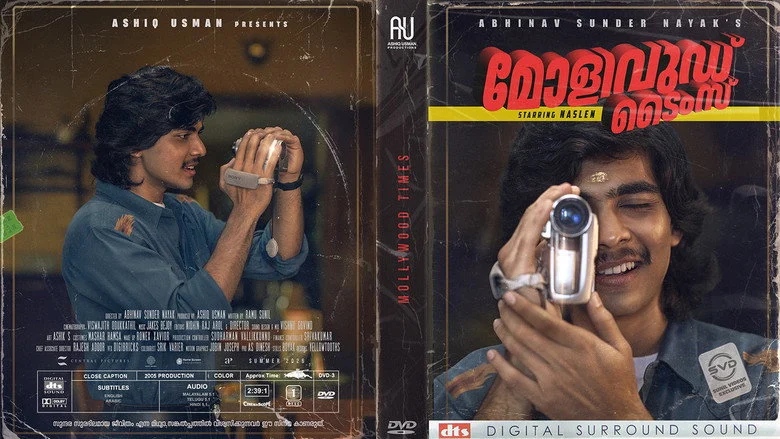
Naslen Carries the Weight of Obsession Without Overstatement
Naslen’s framing as Vineeth Madhavan rests on portraying enthusiasm without it collapsing into caricature, a difficult balance in coming-of-age cinema where adolescent ambition often tips into melodrama or cartoonish zeal. The available teaser material suggests he’s being asked to ground obsession through small gestures: the way he pitches the camera request to his father, the tone when he declares his first film must be remembered forever.
The role demands an actor comfortable inhabiting quiet determination, and Naslen’s casting signals the filmmakers believe in understatement as a tool for authenticity. Without full performance data available, the central question remains whether he sustains this restraint across 168 minutes or whether the role’s inherent intensity overwhelms the character’s interiority.

Nayak Constructs the Setup, But the Screenplay’s Engine Remains Opaque
Abhinav Sunder Nayak’s directorial strength lies in establishing clear character intention from the first frame, Vineeth’s desire for a camera is not buried under exposition or thematic abstraction. The teaser work shows a director confident in letting dialogue and character motivation carry the story’s early weight. This is craft-first direction: trusting the audience to follow ambition without needing plot machinery to justify it immediately.
The screenplay by Ramu Sunil appears structured around the linear progression of a filmmaking dream, from desire through attempted production to whatever resolution awaits in act three. However, without access to the full narrative structure, critical assessment of pacing, emotional payoff, or tonal consistency remains speculative. The horror short-film setup suggests the writers are playing with genre variation inside the larger coming-of-age frame, which could either deepen thematic resonance or fragment focus.
Nayak’s primary weakness at this stage is invisible: the decision to stretch the narrative across nearly three hours. Craft-first filmmaking can justify length through density, but density requires every scene to earn its runtime through either character revelation, thematic expansion, or emotional escalation. At 168 minutes, Mollywood Times must avoid the trap of confusing deliberateness with indulgence, a line that separates meditative cinema from padded cinema.
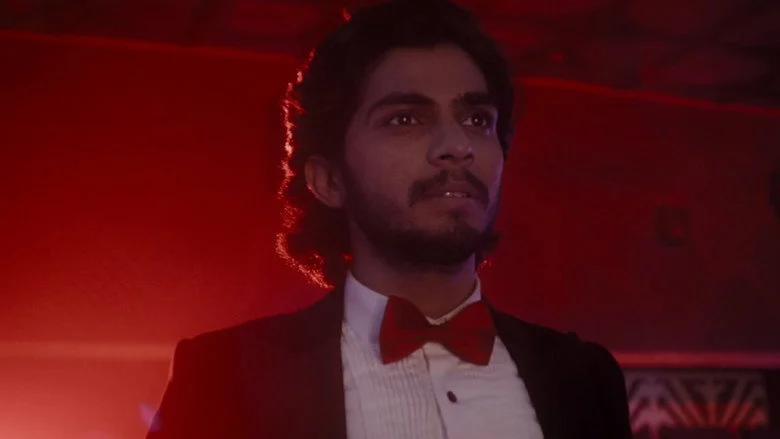
The Ensemble Signals Intent Around Friendship, Not Individual Stars
Sangeeth Prathap and Sharafudheen are listed among the leads, suggesting this is fundamentally an ensemble coming-of-age story rather than a single protagonist vehicle. The horror short-film sequence in the teaser indicates these actors will inhabit Vineeth’s creative circle, their dynamics driving both comedy and the friction between filmmaking ambition and group compromise.
Althaf Salim’s supporting presence further suggests a script interested in the social geography of teenage filmmaking, the writers, the skeptics, the believers, and the hangers-on who emerge around any creative project in small towns. This casting approach reveals a film more concerned with how ambition functions inside friendship than with individual performance dominance.
Malayalam cinema reviews explore ensemble dynamics with particular sophistication, and the casting here suggests Nayak understands this tradition.
Coming-of-Age as Craft Laboratory, Not Just Life Milestone
The central device, a teenager trying to make a horror short-film, creates a nested narrative structure: a coming-of-age story that is also a filmmaking story, allowing Nayak to interrogate how young artists develop technical and creative consciousness simultaneously. The dialogue line “First will always be recorded and remembered in history” suggests the screenplay is interested in how cinema-making becomes a form of self-definition for young people in small towns with limited resources.
Genre-wise, this is coming-of-age drama as its primary skeleton, with comedy as structural counterweight. The humor likely emerges from the gap between filmmaking aspiration and the practical failures of teenage ambition, a friend forgets to charge the camera, the location shoots are interrupted by weather, the actor misses the shot repeatedly. This is a naturalistic comedy built on circumstance rather than jokes.
The drama engine, however, depends on emotional authenticity around why filmmaking matters to Vineeth beyond hobby or career ambition. If the screenplay treats cinema-making as metaphor for self-articulation, a way teenagers express identity when traditional channels are closed, then the runtime becomes justified. If it treats the hobby as plot convenience, the length becomes exhausting.
No Critical Consensus Yet; Audience Interest Built on Casting and Premise
Mollywood Times arrives without verified critical consensus or audience review data to anchor judgment. The film’s appeal rests entirely on premise strength and Naslen’s fan base. Viewers interested in cinema-making narratives and coming-of-age stories centered on small-town ambition represent the clear target; those seeking action-driven entertainment or mass-commercial structure should redirect elsewhere.
The UA16+ certificate suggests thematic content that touches adolescence directly, likely romantic elements, language consistent with teenage vernacular, or tonal moments that require viewer maturity. This is a film designed for intelligent young audiences and adults nostalgic for the texture of teenage creative obsession, not for audiences seeking escapism or conventional dramatic catharsis.
If Mollywood Times executes its premise with the craft-first discipline suggested by the teaser work, it could become the Malayalam coming-of-age film that cinema-focused audiences have been waiting for. If it confuses length with depth or loses focus in the middle sections, it will feel like a film that needed a sharper screenplay and a tighter editor. The 168-minute runtime is a gamble, justified only if every scene contributes to character or thematic resonance, a standard that even ambitious filmmakers struggle to maintain.
Watch this for the premise and Naslen’s commitment to understated performance; skip it if you need verified critical consensus or commercial entertainment structure.
Mollywood Times is a cinema-obsessed teenager’s story built on craft-first storytelling, and whether Nayak sustains that discipline across 168 minutes will determine if this is essential viewing or an interesting failure, I’d rate it a cautious 3.5 out of 5 pending full execution verification.
Ramu Sunil’s screenplay approach mirrors the dialogue-driven character work in Maa Behen, where ambitious individuals must negotiate their dreams inside social constraint.
Like Hai Jawani Toh Ishq Hona Hai, this film examines how young people define themselves through creative or romantic ambition, using small-scale settings to explore larger identity questions.
Readers looking for more malayalam drama reviews can explore them on HDHub.