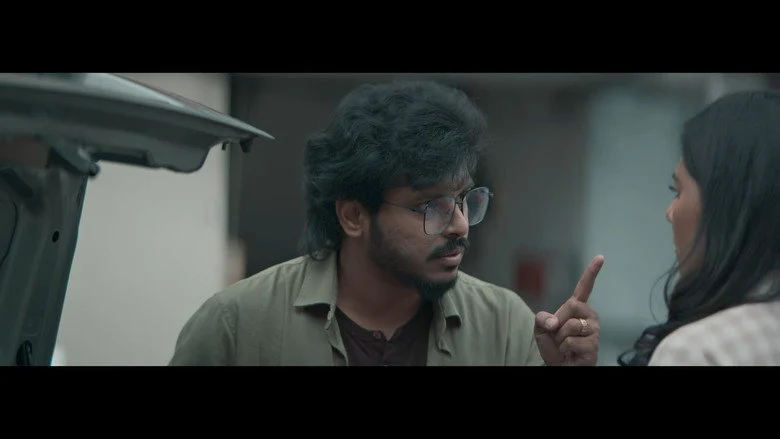
Poovellaam Kettuppaar (2026): A Tamil Thriller That Prizes Atmosphere Over Momentum
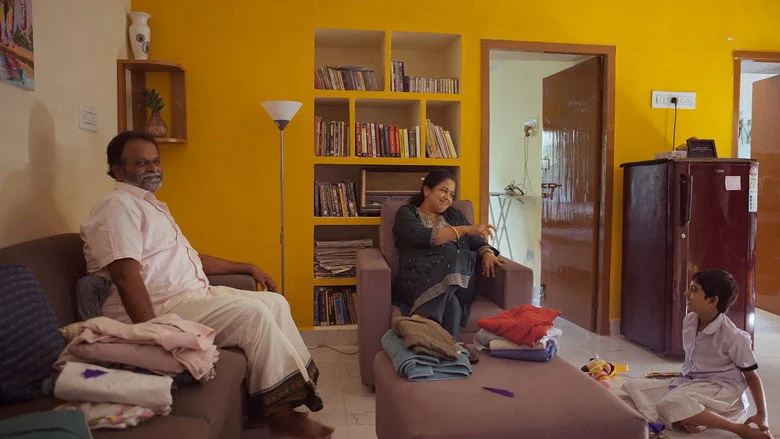
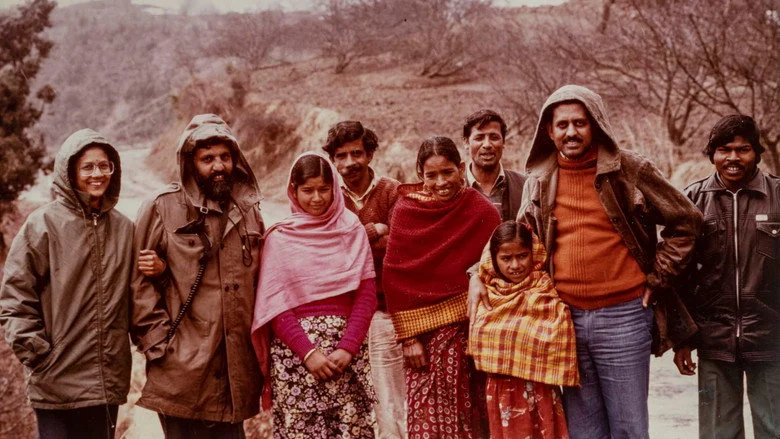
The first Malaysian Tamil film shot entirely in anamorphic format opens on a quiet research setup, Sathya and her assistant Karthikeyan approaching Maaran for field data on criminal-background stigma. That clinical beginning slowly curdles into something more unsettling as the isolated world of Maaran and Nathiya begins to swallow the investigators whole.
Sathya’s Controlled Descent Anchors the Inquiry
Datin Sri Shaila v Nair carries the investigative premise with a performance built on restrained reactions rather than demonstrative outbursts. Her Sathya is most compelling in the confrontation sequences, where the character’s professional composure visibly cracks under psychological pressure.
Nair positions herself at the film’s pivot point, the shift from clinical research to personal entanglement. It is a measured turn that gives the thriller its emotional vertebrae, even when the script around her wobbles.
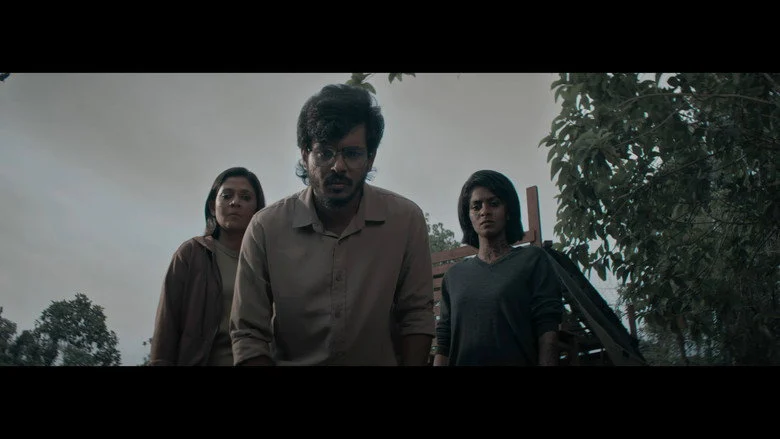
Karthik Shamalan’s Vision Outruns His Pacing
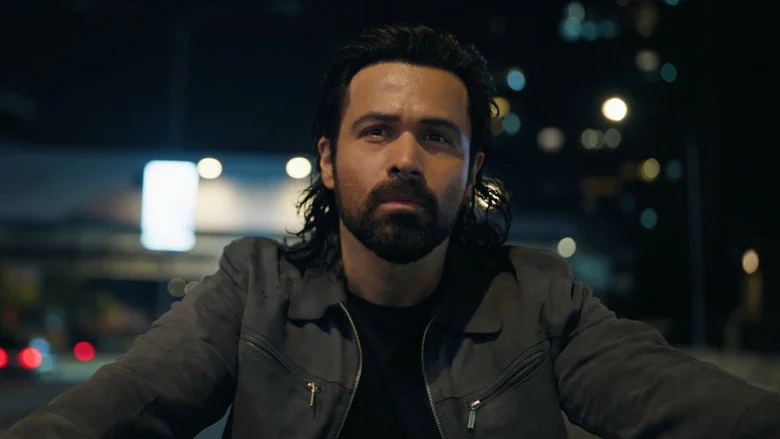
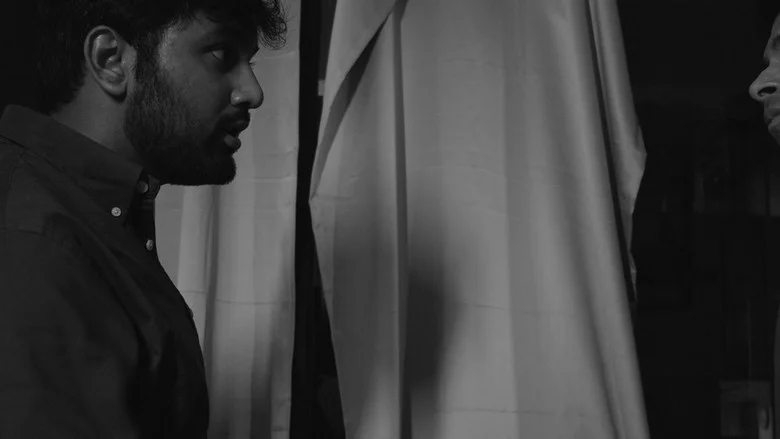
Shamalan’s direction shows genuine ambition in the psychological-thriller frame, particularly in how he stages the isolated-world sequences with visual menace. The anamorphic cinematography gives the frame a distinct texture that most regional thrillers never attempt.
But the screenplay’s linear structure loses grip in the middle stretch, where the buildup between research and revelation turns uneven. One conversation can change lives, the film’s central paraphrase, but Shamalan needs several conversations too many to land that point.
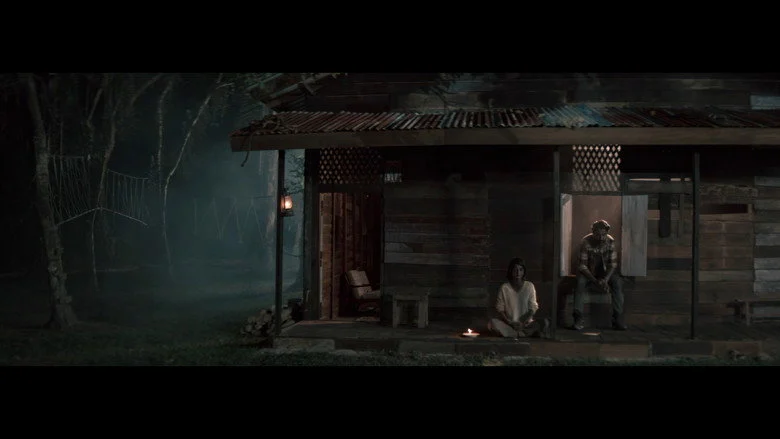
The Thriller Mechanics Run on Atmosphere, Not Action
This is a thriller that trusts character interaction over setpieces. The research team’s entry into Maaran’s environment functions as the film’s primary suspense engine, with the late-film psychological turn reframing earlier assumptions with genuine craft.
The truth-versus-illusion premise aligns with classic psychological-thriller mechanics, but the execution leans heavily on visual atmosphere rather than narrative propulsion. The anamorphic format intensifies the mood, yet it cannot fully compensate for the uneven second-half progression.
Maaran, as played by Magen Vikadakavi, operates less as a conventional villain and more as a source of ambient tension, a choice that serves the film’s thematic interest in perception over easy categorization.
For those who appreciate how regional cinema is pushing its visual boundaries, the film’s technical polish offers plenty to admire. Browse more Tamil Thriller reviews alongside this one.
Yuvraj Krishnasamy and the Supporting Ensemble Hold the Frame
Yuvraj Krishnasamy’s Karthikeyan supports the investigative structure by mirroring the audience’s growing unease as discoveries unfold. His reactions to Maaran’s world provide a necessary counterweight to Sathya’s increasingly compromised perspective.
KS Maniam and Veronica Thomas round out the ensemble without leaving distinct impressions in the available material. Their casting signals a production investing in local Malaysian Tamil talent, which gives the film a specific regional identity that broader Indian thrillers lack.
Audience Reception: A Curious Middle Ground
Audience sentiment points toward appreciation for the technical polish and the lead performances, even as some viewers flag the middle-section pacing. The P13 certificate and the psychological setup suggest a film aiming for mature thriller audiences rather than mass commercial appeal.
No controversy has attached itself to the production, which keeps the focus where it belongs, on whether the film’s truth-versus-illusion premise lands. The absence of a clear critical consensus leaves room for viewers to form their own judgments on Shamalan’s ambitions.
Poovellaam Kettuppaar is a film that rewards patience but tests it too. If you respond to atmospheric thrillers that prioritize mood over momentum, the anamorphic visuals and Nair’s anchored performance make this worth a regular theater or OTT viewing. Viewers expecting fast-paced mass action should look elsewhere, this one operates on a slower, more contemplative frequency.
I left the film respecting its craft more than its storytelling economy. Poovellaam Kettuppaar earns a 3 out of 5 for its visual ambition and lead performances, but its uneven pacing keeps it from true distinction.
For a sharper study in narrative grip, revisit Awarapan 2 review.
Where this film uses anamorphic atmosphere, Toxic verdict drowns in its own excess.