Once More (2026): Arjun Das Carries keeps the film tense but uneven overall
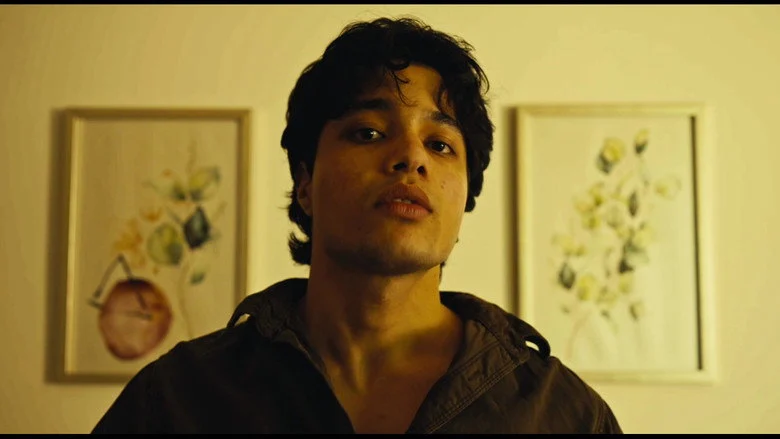
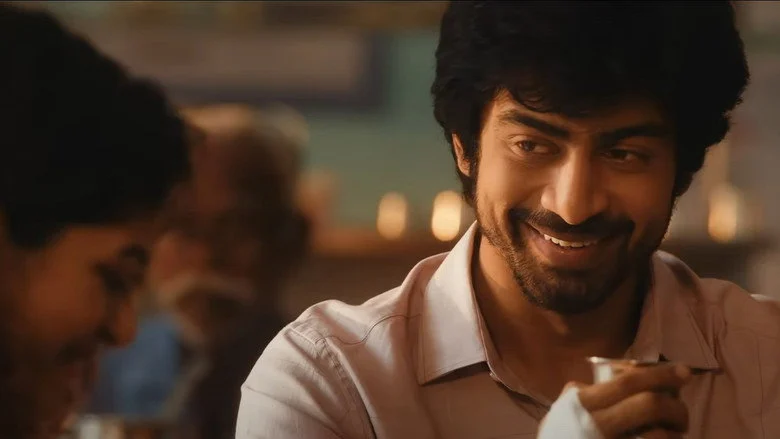
Raghu moves through his earliest scenes with the heaviness of someone who has already lived through his most important story. Arjun Das plays this withdrawal not as brooding posturing but as a quiet, almost physical retreat from the world around him. The actor understands that grief in a romantic drama needs to be felt in the silences, not announced in dialogue.
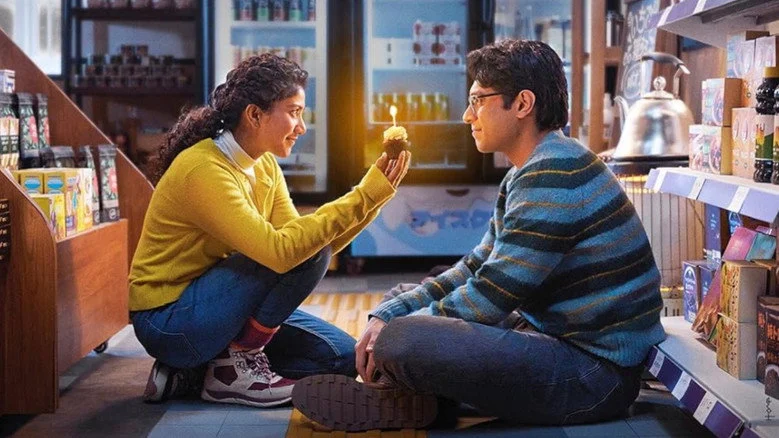
When Aditi Shankar’s Anjali enters his orbit, the dynamic shifts into something more interesting than simple opposites-attract. Das registers her presence as an intrusion he cannot quite resist, and the internal tug-of-war becomes the film’s quiet engine. His performance works because it trusts that the audience will read the small cracks in his emotional armor.
Vignesh Srikanth’s Script Chooses Emotional Honesty Over Dramatic Fireworks
There is no villain in this film, no external force pushing the leads apart. Vignesh Srikanth, who writes and directs, instead builds the conflict around family tensions and the messy business of healing. That decision gives the screenplay a refreshing sense of adult maturity, but it also creates a structural challenge, the drama has to come entirely from within the characters.
The weakness emerges in the middle stretch, where the push-pull between Raghu and Anjali risks becoming repetitive. Srikanth trusts his leads to hold attention, and they mostly do, but the screenplay lacks a major turning point to break the emotional monotony. The family-collision scenes suggest a richer film that occasionally peeks through but never fully arrives.
Genre-Core Execution: A Romance Built on Patience and Musical Support
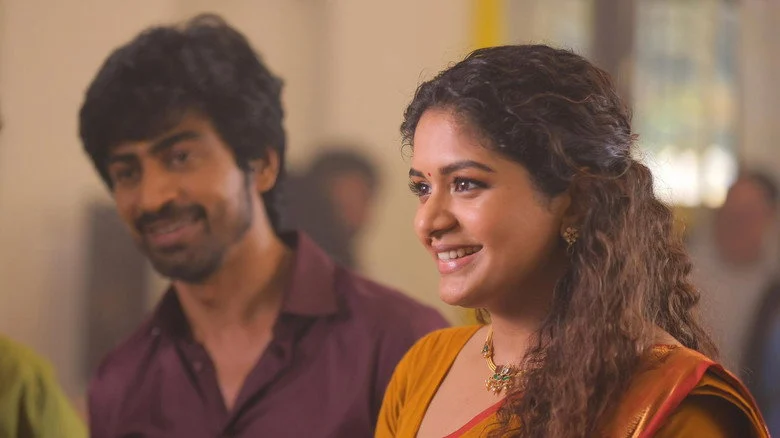
The romance here is a slow burn by design, and Srikanth commits to that pace without apology. The central hook, a man learning to love again without erasing his past, is emotionally accessible and gives the film a clear dramatic spine. Hesham Abdul Wahab’s music frames these internal states, with songs likely functioning as emotional commentary rather than narrative interruption.
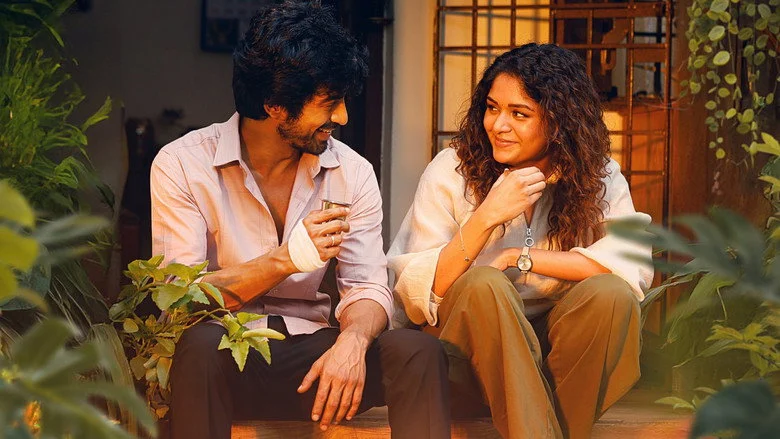
What makes the film work is the chemistry between the two leads. Arjun Das and Aditi Shankar share a register that feels lived-in rather than performed, and their scenes together carry the weight the plot sometimes cannot. Anjali’s persistence in winning over Raghu could easily feel stalker-ish in lesser hands, but Shankar plays it with warmth and intelligence.
The film’s restraint is both its strength and its limitation. By avoiding external conflict entirely, Srikanth risks losing viewers who need more narrative propulsion. But for those who invest in the emotional journey, the payoff is a romance that treats its characters with genuine respect.
Aditi Shankar and the Supporting Cast Build a Believable Emotional World
Aditi Shankar’s Anjali is the active force in this relationship, the one who refuses to let Raghu’s grief define their future. Her performance gives the film its forward momentum, and she makes the character’s determination feel like compassion rather than desperation. The balance she strikes against Das’s closed-off Raghu creates the film’s central tension.
Sona Olickal appears in a key supporting role, and her casting signals the film’s interest in building a community around the central couple rather than isolating them. Dravid Selvam and Anusha Prabhu fill out the ensemble with the kind of grounded presence that makes the family scenes feel authentic. Chitra Lakshmanan’s inclusion in the cast adds another layer of generational weight to the proceedings.
Audience Fit and the Film’s Quiet Ambition
This is a film made for romance audiences who value emotional texture over plot mechanics. The healing-and-second-chance premise is simple to follow, and the casting of Arjun Das and Aditi Shankar has been repeatedly highlighted in public listings as the film’s primary selling point. Filmibeat’s early review gave it a 4.0 rating, suggesting the film delivers on its modest ambitions.
Viewers expecting action or a villain-centric conflict will find little to grab onto here. The film’s UA16+ certificate and 131-minute runtime suggest a focused, character-driven drama that knows exactly what it wants to be. The absence of any controversy or political angle in the coverage indicates a film that stays firmly in its lane.
For those seeking more Tamil cinema that prioritizes emotional storytelling over spectacle, browsing Tamil Romance reviews might lead to similarly rewarding discoveries.
Once More is not a film that reinvents the romantic drama, but it doesn’t need to be. It commits to its premise with sincerity, trusts its leads to carry the emotional load, and delivers a conclusion built on reconciliation rather than confrontation. The decision to resolve through family coming together and Raghu choosing acceptance is quietly effective, even if it lacks the dramatic punch some viewers will crave.
If you’re in the mood for a gentle, well-acted romance that respects your intelligence, this is worth your time. The chemistry between Das and Shankar is the real draw, and the film’s emotional honesty covers for its structural repetitions. Watch it on a quiet evening when you want something that feels human.
Once More (2026) earns a solid 3.5 out of 5 for its sincere performances and emotional restraint, even if its screenplay stays safely within familiar territory. For another take on emotional storytelling with imperfect structure, the Beyond Ratings review approach might offer a different perspective on similar themes.
Those who appreciate romance built on character rather than plot twists could also find value in Sanjeev verdict, which shares this film’s commitment to emotional interiors over external drama.