Commandovin Love Story (2026): A Restrained Romance That Lets Silence Speak, Until It Doesn’t
The Republic Day homecoming sequence tells you everything about this film’s temperament. A commando stands at attention, honoring fallen comrades, while the camera holds his stillness rather than cutting away for dramatic effect. That discipline, the refusal to underline emotion, defines Veera Anbarasu’s approach as both director and lead.
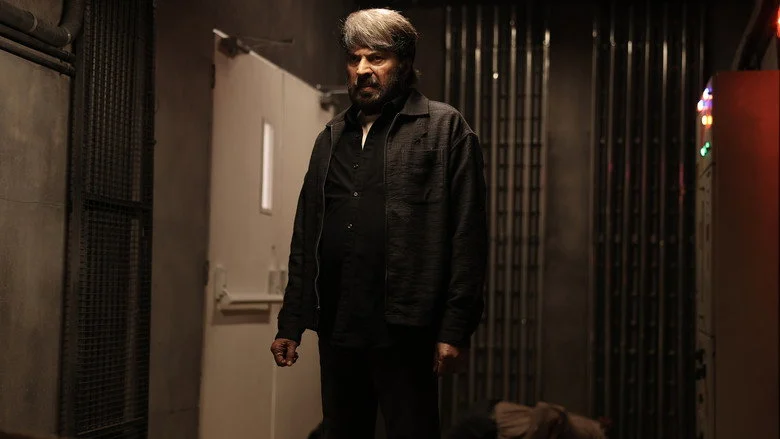
His performance is the film’s load-bearing wall. Anbarasu plays the commando with a closed-off physicality that suits a man who has learned to communicate through orders, not confessions. The quiet scenes opposite Angel Sharma, especially the journey from hometown to Chennai, land because he gives her space rather than competing for attention.
Angel Sharma and the Art of the Unfinished Sentence
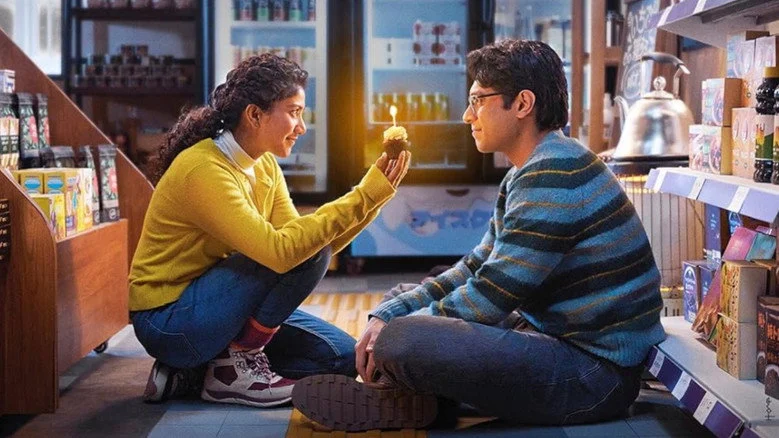
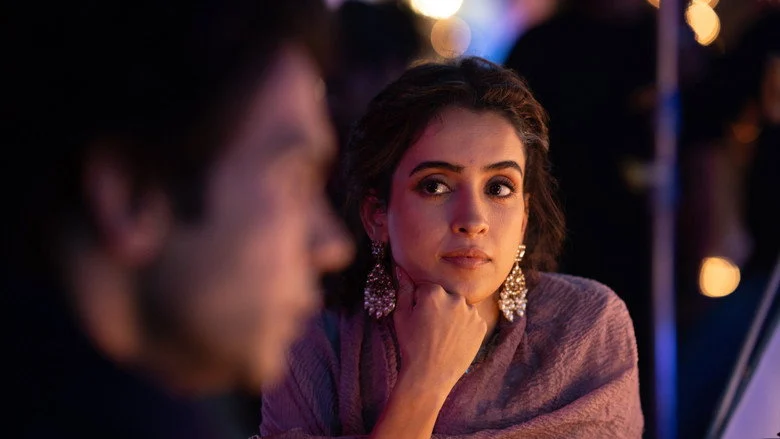
Angel Sharma’s Ph.D. student is the emotional counterweight the film needs, and she carries that responsibility with a naturalism that makes the romance believable. Her character’s curiosity about the commando feels like genuine intellectual interest, not plot convenience. The bond forms through shared silence rather than dialogue, which is a risk that mostly pays off.
Sharma’s casting signals a deliberate choice to ground the film in realism. She doesn’t play the archetypal Tamil cinema heroine; she plays a woman whose research discipline mirrors his military discipline. That parallel is the film’s quietest and most effective gesture.
The Genre Core: Drama That Tests Its Own Patience
This is a drama built on understatement, and the screenplay knows exactly where its emotional center lives. The unsent letter is the narrative device that holds everything together, an object that represents every word the commando cannot say out loud. It’s a simple idea, but the film trusts it completely, and that conviction carries the first two acts.
The Chennai journey sequence is where the film earns its romantic stripes. The pair’s first connection forms through small observations and shared quiet, not grand gestures. Anbarasu the director understands that restraint in performance creates room for the audience to lean in, and he uses that space well.
But the final act, where the commando departs for his critical mission, reveals the film’s structural weakness. The pacing slows to the point where the emotional payoff becomes a test of endurance rather than catharsis. The letter’s fate should feel like a gut punch; instead, it arrives as a relief that the film finally ended.
For more films that operate in this reflective register, browse our Tamil Drama reviews.
Supporting Cast: Familiar Faces, Underused Textures
Babloo Prithiveeraj and Robo Shankar are listed prominently, and their presence signals a commercial grounding that the film deliberately avoids exploiting. Robo Shankar, known for his comic timing, is deployed here without the usual buffoonery, which suggests Anbarasu wanted to keep the tone uniform. It’s a choice that protects the mood but wastes a proven performer’s range.
Jangiri Madhumitha, Vaazhai Janaki, and Sridevi Ramachandran fill out the margins, but the available material doesn’t give them scenes with enough weight to register. This is the film’s clearest missed opportunity, a cast with comic and dramatic pedigree reduced to functional presence because the screenplay refuses to deviate from its central thread.
Audience Reception: The Praise and the Patience Problem
No controversy surrounds this release, which is itself notable in an era where Tamil cinema often courts political friction. The audience response splits cleanly along pacing lines. Those who love the film cite the lead performance and the unsent-letter concept; those who don’t cite the second-half slowdown and the single-premise structure that leaves little room for surprise.
The film’s restraint is both its identity and its limitation. Viewers who appreciate character-led, reflective drama will find a lot to admire here. Those expecting conventional romantic conflict or antagonist-driven stakes will leave frustrated. The film makes its choice early and sticks to it, for better and for worse.
Karthik Raja’s score reportedly supports the tone without dominating it, and the editing in the first half maintains controlled momentum. The problem is that the second half’s deliberate pacing, while thematically justified, doesn’t earn its length.
If the restraint here appeals to you, you might find similar patience tested in Battle review.
Commandovin Love Story is a film that knows exactly what it wants to say and says it with admirable discipline. Go in expecting a quiet, character-driven romance and you’ll likely find the unsent-letter device genuinely moving. Skip it if you need narrative velocity to stay engaged. Watch it on a regular screen, at home, where its silences can breathe. I found myself wishing the final act trusted its audience just a little more, but the journey there is worth taking.
Commandovin Love Story earns a 3 out of 5 for its restrained craft and committed lead performance, even as its final act tests the patience it asks for.
For another study in quiet emotional isolation, consider 8th Street verdict.