Black pepper (2026): A Raw Action Debut That Bites Harder Than It Chews
There’s a moment in Daniel Oriahi’s Black Pepper where the frame goes still, and you can almost feel the sweat on the actors’ brows before the violence snaps back into motion. It’s a small beat, but it tells you everything about this film’s ambition, it wants to be visceral, immediate, and unapologetically physical. Whether it fully lands that punch is another question entirely.
Teniola Aladese Commands Every Frame She Occupies
Aladese doesn’t just play her role; she wrestles with it, her physicality doing half the storytelling before a single line of dialogue lands. There’s a coiled tension in her shoulders during the quieter moments that makes the eventual explosions feel earned rather than manufactured. She’s the reason the film’s pulse stays audible even when the screenplay drifts.
Her chemistry with Gbubemi Ejeye crackles with an unspoken history, suggesting a backstory the script never bothers to articulate. That’s a compliment to the actors and a quiet indictment of the writing, which leaves gaps the performers have to fill with sheer instinct.
Oriahi’s Direction Finds Grit, But the Script Loses Its Grip
Director Daniel Oriahi has an eye for the ugly beauty of conflict, framing confrontations with a documentary-like rawness that suits the material’s aggressive tone. He knows how to stage a standoff, letting silence stretch until it becomes unbearable.
The screenplay, however, suffers from a case of narrative indigestion, it introduces threads it forgets to pull and characters who vanish without consequence. One subplot involving a betrayal feels particularly half-baked, as if a scene was left on the cutting room floor and never missed.
What saves the film from collapsing under its own weight is Oriahi’s refusal to let momentum die. Even when the logic falters, the energy keeps you strapped in.
The Action Sequences Hit With Brutal, Unpolished Force
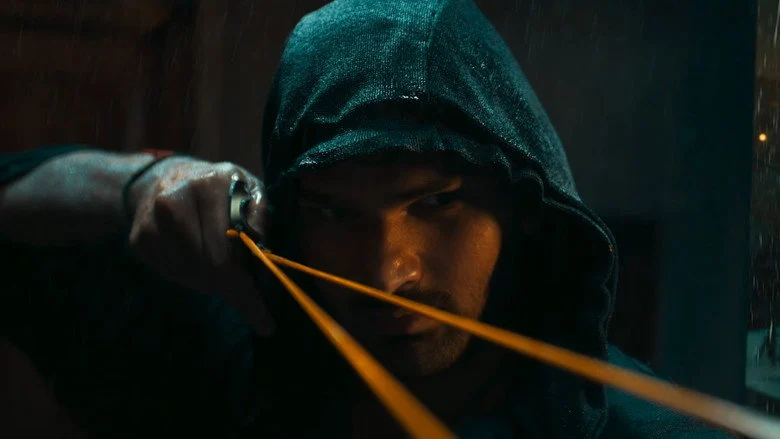
For an action film, Black Pepper understands that choreography is less about elegance and more about impact. The fight scenes are scrappy, close-quartered, and shot with a handheld urgency that puts you right in the middle of the chaos. You feel every punch, every stumble, every desperate grab for a weapon.
The setpieces are built around geography rather than spectacle, a narrow corridor brawl, a stairwell chase, which gives the violence a claustrophobic, almost suffocating texture. It’s not pretty, and that’s precisely why it works.
There’s a particular sequence involving a kitchen that uses its props with brutal invention, turning domestic objects into instruments of survival. It’s the kind of moment that announces Oriahi as a director worth watching, even when his storytelling instincts lag behind his visual ones.
If this taste of gritty, physical filmmaking appeals to you, you might want to browse more Hindi Drama reviews for similar finds.
Olarotimi Fakunle Brings Menace Without Melodrama
Fakunle plays his role with a quiet, simmering threat that never tips into cartoonish villainy. He understands that the scariest antagonists are the ones who believe they’re the heroes of their own story.
His scenes opposite Aladese are the film’s dramatic peak, two performers circling each other like predators assessing weakness. It’s a shame the script doesn’t give him more to chew on, because every second he’s on screen elevates the tension.
Audience Reception Hints at a Divisive, Polarizing Debut
The film’s release in Canada suggests a targeted rollout, likely gauging diaspora interest before any wider distribution play. Early chatter points to a split crowd, those who admire the film’s unflinching physicality and those who find its narrative gaps too frustrating to overlook.
There’s no major controversy attached to the production, which is itself notable for a film this aggressive in tone. The conversation around Black Pepper is purely about craft, which is both refreshing and telling.
I walked out of the screening feeling like I’d watched a director find his voice in real time, even if the story didn’t always know what to do with it. That’s a rare and valuable thing to witness, flaws and all.
For those who want action without the polish of big-budget gloss, Black Pepper delivers a raw, unvarnished hit. Watch it for Aladese’s ferocious lead turn and Oriahi’s promising directorial instincts, but go in knowing the narrative won’t hold your hand. It’s a debut that bites hard, 3 out of 5, and leaves a mark worth examining.
Fans of raw, performance-driven debuts might also appreciate the layered storytelling in Karathey Babu review.
For another take on emotional stakes wrapped in genre packaging, check out Your s verdict.