Toaster (2026): Rajkummar Rao’s Quietly Brilliant Comedy Anchors an Uneven Debut
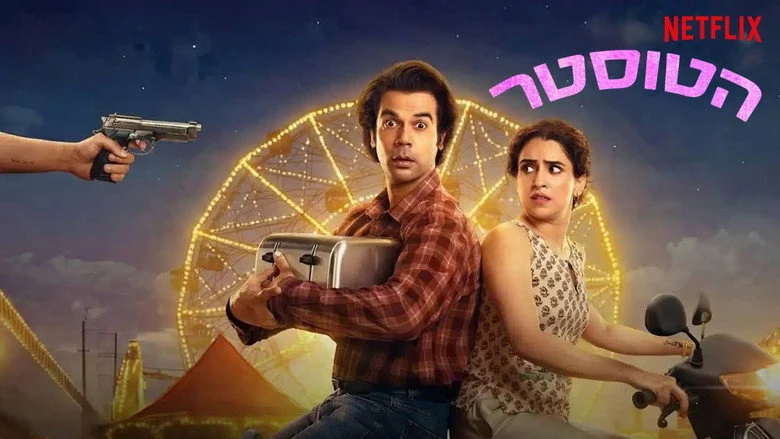
A Rs 5, 000 wedding-gift toaster becomes the centre of a miser’s universe, and what follows is a chain of absurd, escalating chaos that only a performer of Rajkummar Rao’s calibration could hold together. This is a black comedy that understands its own strangeness, even when its script doesn’t quite know how to sustain it.
Rao’s Controlled Madness Is the Film’s Beating Heart
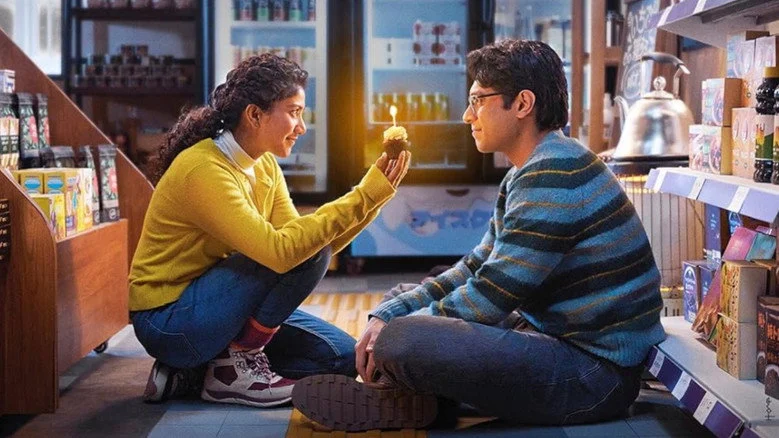
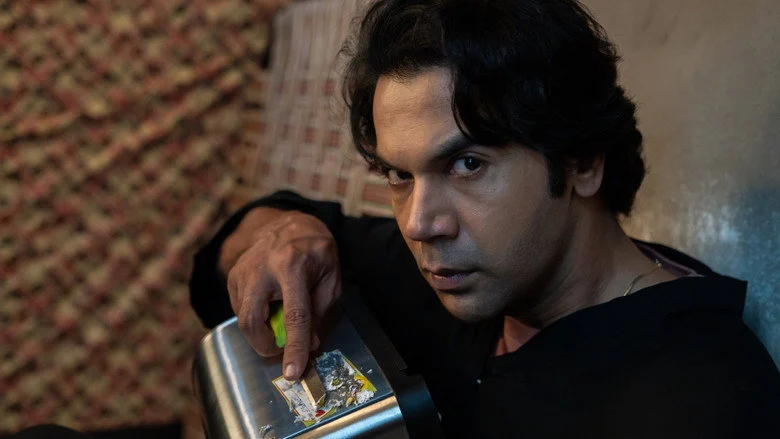
Rajkummar Rao, as Ramakant “Ramu” Parikh, doesn’t play the obsessed miser with broad strokes. His performance is quietly controlled, a man whose penny-pinching logic contorts into genuine mania over a kitchen appliance. The toaster obsession sequences are where the film fires on all cylinders, with Rao’s comic timing doing the heavy lifting that the screenplay often can’t manage.
He anchors the film even when the narrative thins out, making you believe in the gravity of a situation that is, on paper, utterly ridiculous. It is the kind of performance that reminds you why he is consistently the most reliable asset in any ensemble he joins.
Daschaudary’s Debut Shows Control, Then Loses Its Grip
Vivek Daschaudary’s directorial debut is confident in its first half, holding the absurd premise together with a steady hand. He understands the tonal tightrope a black comedy must walk, and for a significant stretch, he doesn’t stumble.
The flaw emerges in the second half, where the script stretches thin and the narrative grip loosens. The writing, credited to Parveez Shaikh, Akshat Ghildial, and Anagh Mukherjee, starts strong but loses its structural integrity, leaving Daschaudary to patch together chaos that feels more exhausting than exhilarating.
The Genre Blend Works When It Stays Small
The film’s primary genre is black comedy thriller, and its best moments come from the domestic object escalating into criminal and emotional conflict. The humour is driven by absurdity rather than action spectacle, and the performance timing is central to whether each joke lands. When Rao is in frame, the genre blend feels seamless; the comedy is sharp, and the thriller undertones hum quietly underneath.
However, the tonal balance becomes unstable as the runtime progresses. The chaos-filled stretches in the latter half, which should be the payoff, instead reveal the structural weaknesses. The film relies on its eccentricity to carry it through, but eccentricity without a tight script is just noise.
What saves the film from collapsing is the ensemble’s collective understanding of the material. They commit fully to the oddball tone, and that commitment keeps the film watchable even when the writing falters. It’s a debut that shows promise, but it also exposes the gap between a great premise and a fully realised one.
An Ensemble That Gets the Assignment
Sanya Malhotra, as Shilpa Parikh, stands out in the ensemble, grounding the domestic chaos with a performance that feels lived-in. She doesn’t just react to Rao’s mania; she builds a character whose own frustrations and affections are visible in the margins of the frame. Archana Puran Singh adds comic texture as Malini Pherwani, a presence that fits the film’s eccentric register without ever feeling like a caricature.
Abhishek Banerjee and Upendra Limaye round out the supporting cast with the kind of commitment that signals a clear understanding of the film’s intent. They don’t have the screen time to build deep character arcs, but their casting suggests a producer, Patralekhaa and Rao themselves, who knew exactly what kind of tonal consistency the film needed. Seema Pahwa, in a small role, adds another layer of comic credibility to the proceedings.
Audience Reception and the Streaming Verdict
As a Netflix original, the film bypasses traditional box office metrics, making its success a matter of streaming viewership and word-of-mouth rather than opening-day collections. The Times of India’s 3.0/5 rating captures the general critical consensus: a quirky entertainer that benefits from its unusual plot and Rao’s performance, despite a weaker second half.
The IMDb score of 7.7 suggests audiences are more forgiving than critics, likely swayed by Rao’s comic timing and the film’s oddball premise. One review notes it is “a light-hearted comedy that pokes good-natured fun at people who are stingy with their money without ever hitting below the belt, ” which feels accurate to the film’s tone. Another critic calls it “a sharp, tightly controlled dark comedy, ” a description that holds truer for the first hour than the last.
For those who enjoy their comedy with a side of controlled absurdity, this is worth a stream, especially for Rajkummar Rao’s performance alone. It’s a debut that announces a director with instincts, even if the script doesn’t always match his ambition. Watch it for the premise, stay for the ensemble, and forgive the sagging middle. Hindi Action reviews have seen worse.
If you’re in the mood for another film where a strong central performance carries a flawed script, Beyond Pages review offers a similar dynamic.
Toaster is a film that promises more than it delivers, but what it does deliver, Rao’s controlled brilliance and a genuinely funny first half, makes it a watchable, if imperfect, affair. I’d give it a solid 3 out of 5, a film that earns its recommendation on the strength of its lead and its premise, even as its structure wobbles.
For another take on a debut that bites harder than it chews, Black pepper verdict explores similar directorial ambition.