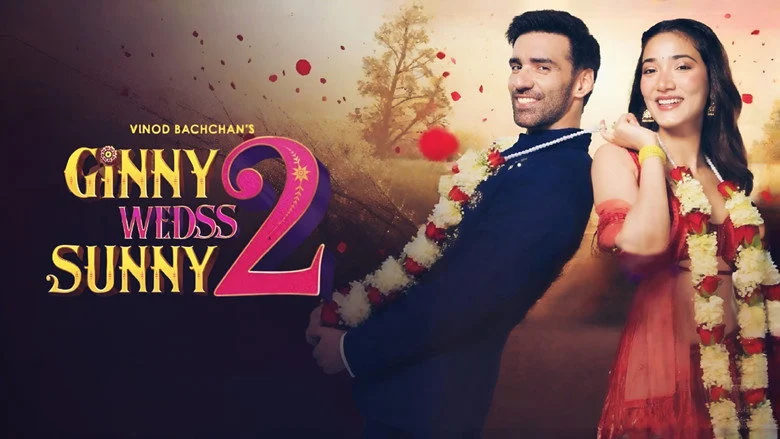
Ginny Wedss Sunny 2 (2026): A Predictable Sequel That Relies Entirely on Lead Chemistry
The film opens with the kind of banter that defined its predecessor, Sunny’s relentless pursuit of Ginny’s approval, played out in dialogue-heavy exchanges that leave little room for visual storytelling. Within minutes, you sense this sequel is comfortable treading well-worn romantic-comedy ground, banking entirely on the warmth its leads generated the first time around.
That gamble pays off in isolated moments, but the surrounding scaffolding creaks under the weight of predictability.
Avinash Tiwary and Medha Shankr: Chemistry That Carries the Load
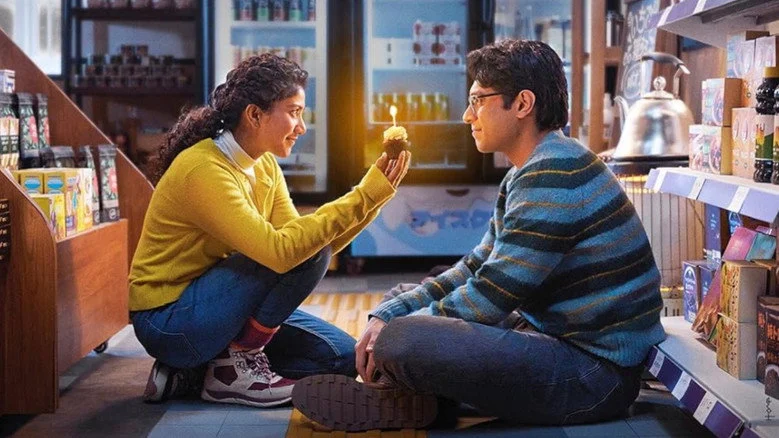
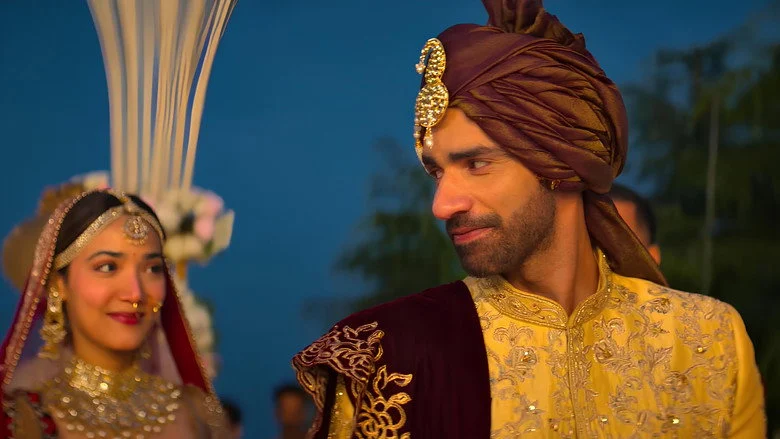
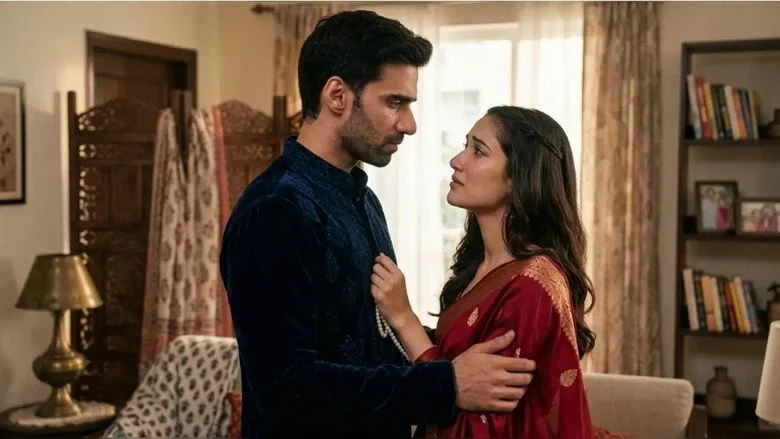
Tiwary slips into Shivansh “Sunny” Chaturvedi with the ease of a man who has worn this character before. His chemistry with Medha Shankr remains the film’s strongest asset, reviewers consistently pointed to their shared exchanges as the reason to stay invested, even when the script offers little else.
Shankr matches him beat for beat, bringing a groundedness to Ginny that prevents the romance from tipping into caricature. The pair’s interaction scenes were the most praised element across critical responses, and watching them navigate familiar relationship misunderstandings feels almost comforting, even as you recognize every turn coming.
Yet neither actor is given a distinctive character arc to sink their teeth into. They execute a template rather than transcend it.
The Genre-Core Execution: Where the Rom-Com Formula Shows Its Age
Romantic comedies live or die on their ability to make the familiar feel fresh. Here, the craft leans entirely on dialogue exchanges between the lead pair, with family settings generating both comedy and conflict. The screenplay follows a strictly linear path, structured around repeated relationship misunderstandings that never escalate into anything genuinely surprising.
The family ensemble provides the film’s comic backbone, with elder members like Sudhir Pandey and Govind Namdev deployed in scenes that reinforce the familial conflict pattern. These sequences work in isolation, there’s a simple, unpretentious quality to how director Prasshant Jha stages them, but they never cohere into a larger dramatic momentum.
What’s missing is visual or structural freshness. The camera rarely does anything interesting, and the pacing sags under the weight of talky scenes that could have been trimmed. The music earns some praise from at least one review source, but it can’t compensate for a narrative engine running on fumes.
The Supporting Cast: An Ensemble That Elevates the Ordinary
Lillete Dubey brings her characteristic polish to Neelima, grounding the family dynamics with a maternal authority that feels lived-in rather than performed. She’s used sparingly but effectively, her presence lending weight to scenes that might otherwise float away.
Sudhir Pandey and Govind Namdev anchor the elder-generation comedy, their exchanges carrying the cultural specificity that gives the film its desi flavour. Gopi Bhalla’s Sugreev uncle adds to the comic backdrop, while Rohit Chaudhary’s Rudranarayan D’Costa and Vishwanath Chatterjee’s Pintoo fill out the ensemble with dependable support. Nayani Dixit and Preetika Pahwa round out the cast without leaving a distinct mark, but their collective presence creates a family texture that the leads can bounce off.
Firstpost’s 2.75 out of 5 rating captures the film’s central problem: a cast doing solid work inside a story that never rises above the ordinary.
The Box Office Reality: A Flop That Speaks Volumes
The numbers tell a story the film itself couldn’t. Opening day collections of just ₹30 lakh in India, as reported by India TV News citing Sacnilk on 25 April 2026, signaled trouble from the start. The worldwide gross of ₹35 lakh from Koimoi the same day offered no comfort.
By day six, IWMBuzz reported cumulative India net earnings of ₹1.52 crore and worldwide gross of ₹1.79 crore, figures that sealed the film’s fate as a flop. Pinkvilla’s final tally of ₹1 crore in theatrical collections on 12 May 2026 confirmed what trade circles already knew: this sequel failed to capture the audience pull of its predecessor. The weak box-office traction reflects a broader audience disinterest in a formula that feels exhausted.
For those who enjoy the simpler pleasures of Hindi romantic comedies, there’s still value in the lead pair’s warmth and the family-comedy moments scattered throughout. I’ve seen worse ways to spend an evening, even if I’ve also seen this exact film done better.
If you’re a fan of Tiwary and Shankr’s pairing, this will satisfy that itch. If you’re looking for something that pushes the genre forward, look elsewhere. The film works best as an OTT watch, where its modest ambitions feel less exposed.
Ginny Weds Sunny 2 is a watch only for devoted fans of the leads, a predictable, dialogue-heavy sequel that earns a modest 2.5 out of 5 for its chemistry-driven charm.
For more Hindi romantic comedy reviews, browse our Hindi Drama reviews section.
Fans of this film’s lead chemistry might also appreciate the revenge thriller Muga Naga review.
For a more restrained take on romance, explore Commandovin Love verdict.