டே 11 (2026): A Wish-Granting Thriller That Packs A Moral Punch
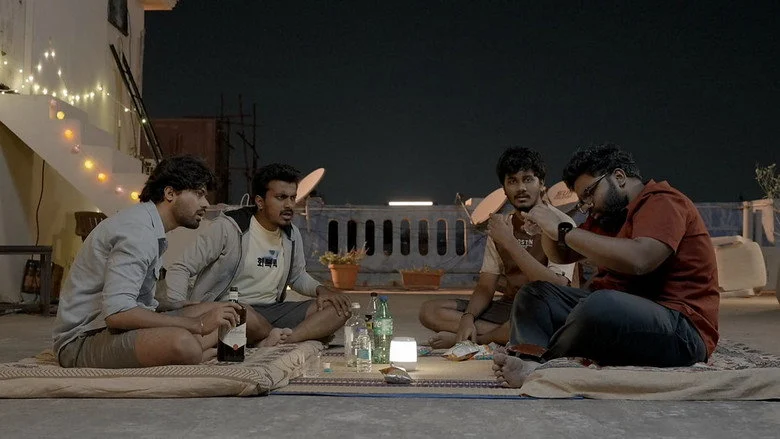
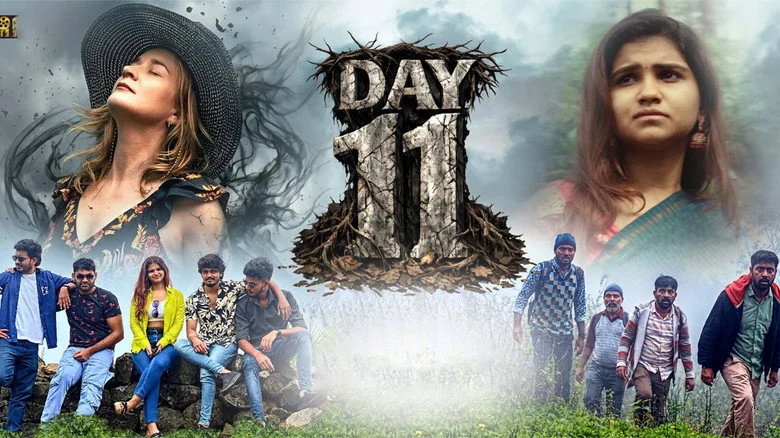
The game grants its first wish, and the room erupts in joy, but the air is already thick with unease. That’s the central tension of Sritika J.’s Day 11, a compact Tamil thriller where fantasy and consequence collide with a moral ferocity that’s hard to shake.
Sritika J. Crafts a High-Concept Hook With Real Stakes
The director’s setup is admirably clear: five youngsters find a game that grants wishes instantly, and they get hooked. The first thirty minutes establish this dependence with an efficiency that respects the audience’s intelligence.
But the screenplay’s real strength lies in its pivot. When one girl disappears, the film shifts from wish-fulfillment fantasy into a rescue-driven mystery, and the rules of the game begin to feel like a trap. It’s a confident structural choice that keeps the tension alive.
The Disappearance-to-Reentry Transition is the Film’s Best Scene
The most praised sequence is the transition where the group re-enters the game after the disappearance. This is where Day 11 earns its thriller stripes, moving from sugar-rush fantasy into the cold logic of consequence.
The moment lands because it’s rooted in character fear, not just plot mechanics. The game’s rules, once a source of delight, now feel like a sentence being read aloud.
The Genre-Core Execution Balances Fantasy and Fear
The supernatural premise is used to generate genuine suspense around wishes and their costs. The film understands that a wish-granting device is only as compelling as the dread it can produce.
The disappearance creates a clean mystery pivot, and the story depends on rule discovery, a classic thriller device that keeps the audience guessing alongside the characters. The cost-of-wish mechanism adds tangible stakes to every decision.
However, the mid-film rule explanation and repetition inside the game drags the pacing. The most criticised portions are exactly where the film should be tightening its grip, not explaining its own logic.
A Compact Ensemble Serves a Moral Premise
Maddy Manoj leads with a grounded presence, but the film’s ensemble, Swetha Abirami, Ravichandran K, and Adarsh Madhikanth, carries the group dynamic with believable camaraderie. Their collective desperation in the final act sells the sacrifice sequence.
Thamizh, Abimanyu A., and Stanely Ajith R. fill the supporting roles with enough personality to make the group’s bond feel real. The casting signals a deliberate focus on ensemble chemistry over individual star power.
The moral premise, that desire carries a cost, is clearly defined and lands with a blunt force. “Every wish comes at a cost” isn’t just a line; it’s the film’s thesis.
The Audience Angle: A Straightforward Hook With Uneven Execution
The wish-granting setup is easy to follow, and the blend of fantasy and thriller elements creates genuine curiosity. The moral twist is straightforward enough for a wide audience to grasp.
But the film’s compact 1h 56m runtime is both a blessing and a curse. It keeps things tight, yet the pacing issues in the middle suggest the edit could have been sharper. The final sacrifice sequence attempts to bring the missing girl back, and while it’s emotionally weighty, it leaves the characters changed in ways that feel earned.
For those who enjoy stories where supernatural rules govern human folly, this one delivers a compact, thought-provoking ride. Browse more Tamil Thriller reviews to find your next watch.
Day 11 doesn’t reinvent the genre, but it understands that the best fantasies are the ones that hurt. It’s a film that knows desire is a trap, and it’s not afraid to spring it.
Go in expecting a solid, morally-driven thriller rather than a spectacle, and you’ll find a film that respects your time. Watch it on the big screen if you can, but a regular format at home works just as well for this intimate ensemble piece.
Day 11 is a sharply conceived wish-fulfillment thriller that stumbles in the middle but lands its moral blow, a solid 3 out of 5 for those who like their fantasies with a bite.
For another take on desire and consequence, check out Dug Dug review.
If you prefer character-driven dynamics over high-concept rules, 29 verdict offers a different kind of Tamil storytelling.