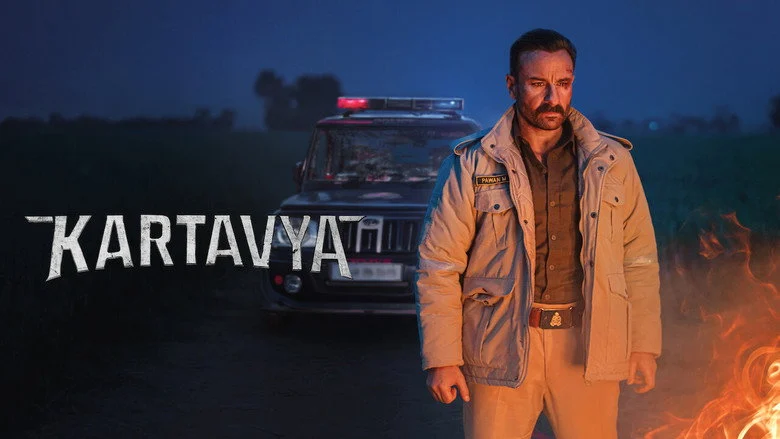
Kartavya (2026): A Journalist Dies keeps the film tense but uneven overall
The journalist arrives under police protection, and within what feels like a breath, he is dead. That opening jolt in Pulkit’s Kartavya promises a thriller with teeth, but the film that follows is more interested in restraint than reckoning. Saif Ali Khan’s Pawan Malik stands over the body, and you sense the weight of a duty that will only get heavier.
Saif Ali Khan Plays Containment When the Script Needs Explosion
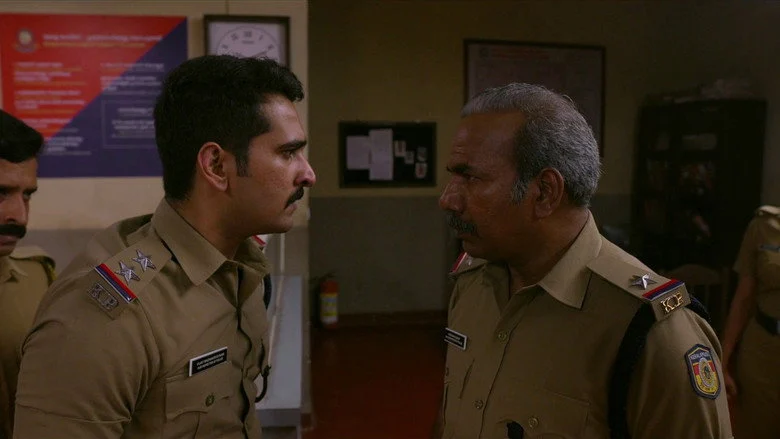
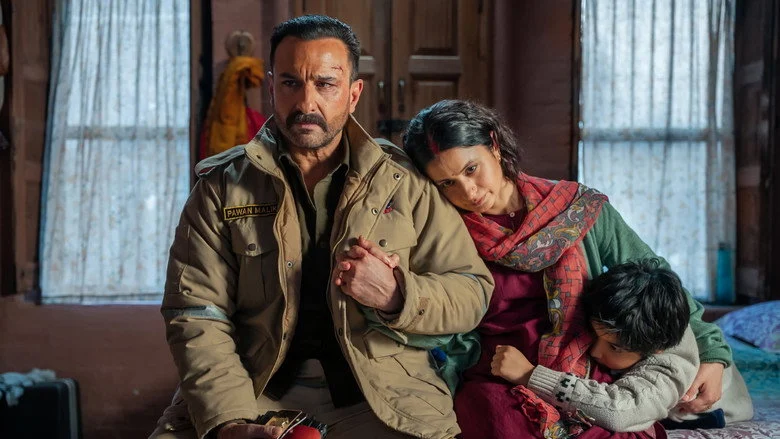
Khan’s Pawan Malik is emotionally contained, a small-town Haryana cop whose dissatisfaction with his work bleeds into his home life. His best scenes are the quiet ones where duty collides with family safety, and he lets the camera read the conflict in his stillness.
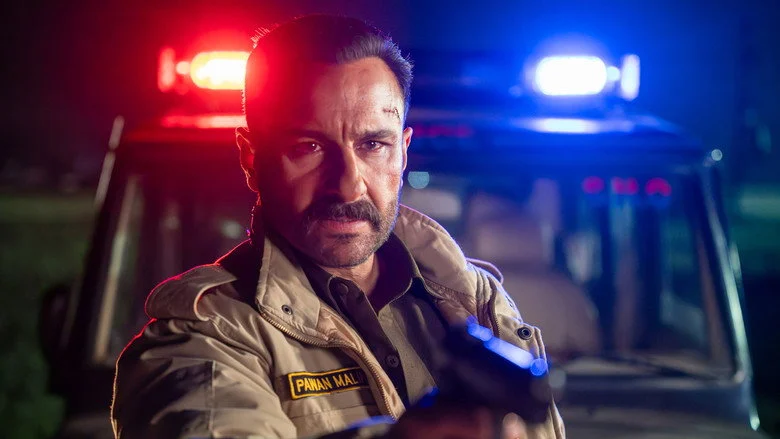
He carries the film even when the screenplay turns conventional, which is fortunate because the material gives him little else to work with. The performance is the reason to stay, but even Khan cannot manufacture surprise from a script that keeps telegraphing its moves.
Genre-Core Execution: A Procedural That Prefers Safety Over Sharpness
The crime-drama mechanics work best in the first half, where the investigation into a missing 16-year-old boy exposes layers of caste prejudice and institutional rot. The journalist’s early death sets up urgency, and the procedural framing gives the story a grim, grounded rhythm. Pulkit controls the tone with clarity, keeping the atmosphere bleak without tipping into melodrama.
But the thriller engine sputters as the film progresses. The second half loses force, and the final act undercuts the tension built earlier, resolving the godman connection with a predictability that several critics flagged. The missing-child thread and the spiritual leader’s criminality converge, yet the payoff feels more like a formality than a revelation.
The film leans on moral conflict rather than action set pieces, which suits its social conscience but exposes its limits. Caste tension and institutional pressure drive the narrative, yet the screenplay never pushes its premise far enough to leave a mark. It is earnest, well-acted, and ultimately too safe for its own subject matter.
Rasika Dugal and Sanjay Mishra Ground the Stakes, But the Ensemble Deserves More
Rasika Dugal’s Varsha serves as the emotional counterweight to Pawan, her presence grounding the family stakes whenever the procedural threatens to become abstract. Sanjay Mishra’s Ashok Y adds observational realism to the social-drama layer, working in scenes that require patience rather than performance flourishes.
Manish Chaudhari supports the institutional power structure, sustaining the procedural tone with professional ease. Zakir Hussain rounds out the ensemble shaping the town’s dynamics, though his role remains frustratingly underdeveloped in the available material.
If a duty-bound cop wrestling with caste and corruption sounds like your kind of cinema, there is plenty more to explore in our Hindi Thriller reviews.
The Box Office Tells a Modest Story, and the Critics Agree
Filmibeat reported an opening day of ₹3.35 crore, with a cumulative worldwide total of ₹4.81 crore by the first week. Those numbers suggest a film that found its audience without igniting the box office, and the critical reception mirrors that middling energy.
Times of India landed at 3.0 out of 5, while one review called it “a socially conscious crime thriller that lacks bite.” Another noted that “Saif Ali Khan elevates a caste-crime thriller that plays too safe, ” which feels like the most accurate summary of the whole enterprise.
I kept waiting for the film to take a risk it never takes, and that patience wears thin by the closing credits.
A Final Act That Diminishes What Came Before
The climax resolves the investigation by connecting the godman, the missing child, and the social fault lines, but the resolution lands with a whimper. Pawan’s choices center on duty and family protection, yet the moral accountability feels underpowered after the setup promised sharper stakes.
The predictability is the film’s real villain, not Anand Shri. Saurabh Dwivedi’s spiritual leader functions more as an institutional threat than an individual antagonist, which fits the film’s social conscience but robs the thriller of a memorable face.
Kartavya is a watch for Saif Ali Khan completists and fans of socially conscious crime dramas, but manage your expectations. The first half works, the performance holds, and the intent is honorable. The final act, however, undoes much of the goodwill, leaving a film that feels like a solid television pilot stretched into a feature. Watch it on streaming if you must, ideally without the pressure of a theatrical ticket.
Kartavya earns a measured 2.5 out of 5, a film that means well but never finds the courage to match its own premise.
For another take on duty-bound storytelling, Pati Patni review offers a different kind of moral reckoning.
If you prefer a star carrying uneven material, Athiradi verdict shows the same pattern in Malayalam cinema.