Aakhri Sawal (2026): A Loud Debate That Forgets to Whisper
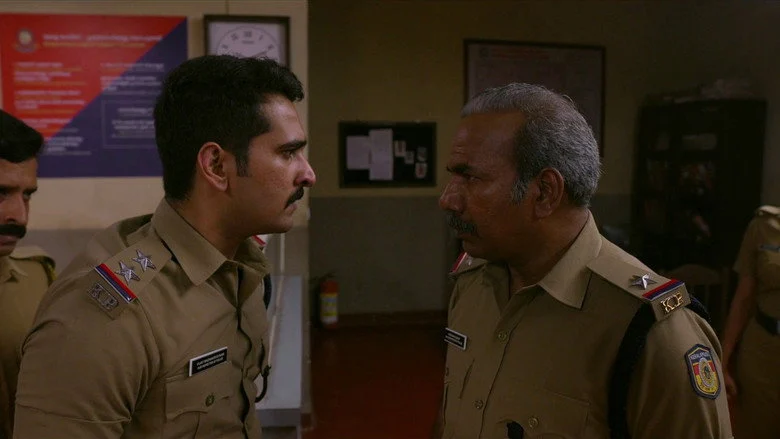
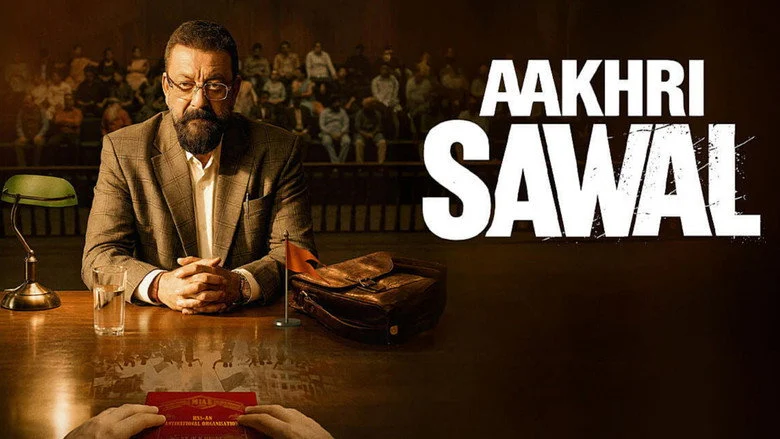
Professor Gopal Nadkarni doesn’t just reject Vicky’s thesis; he dismantles it with a theatrical finality that feels less like academia and more like a courtroom verdict. Sanjay Dutt commands this space with a gravitas that the film’s younger actors struggle to match, his measured pauses speaking louder than the shouting matches that follow. He carries the weight of the film’s central conflict on his shoulders, making the professor’s intellectual arrogance feel earned rather than merely performed.
When the narrative bogs down in repetitive argument, Dutt’s presence is the gravitational pull that keeps the film from floating into irrelevance. His confrontation scenes are the only moments where the dialogue feels like it has genuine stakes attached.
Abhijeet Mohan Warang’s Direction Favors Volume Over Precision
Warang deserves credit for keeping the film tightly centered on one dispute, refusing to let subplots dilute the central academic clash. The public-debate framework sustains momentum effectively, especially in the second half when the pacing tightens and the confrontation becomes openly political.
However, the screenplay by Utkarsh Naithani lacks the subtlety that this subject demands. The handling of nuance is consistently criticized, with the drama relying on excess rather than restraint. It is a film that tells you what to think instead of trusting you to arrive there yourself.
The Genre-Core Execution: Drama That Mistakes Volume for Depth
Dialogue-driven confrontation is the primary dramatic device here, and it works in fits and starts. The professor’s public rejection of the thesis is the film’s strongest scene because it operates on multiple levels, personal, institutional, and ideological, simultaneously. It is the rare moment where the writing feels layered rather than loud.
The televised intellectual trial that follows is where the film loses its grip. What begins as a compelling examination of media amplification quickly devolves into spectacle, with the debate framed as a mass viewing event that prioritizes entertainment over inquiry. The suspense comes from escalation, not revelation, and the emotional stakes get buried under the noise.
Political and personal tensions are layered into the central argument, but the film’s insistence on turning every exchange into a shouting match undermines its own intelligence. The mystery element, what Vicky’s thesis actually contains, what the hidden truths are, gets sacrificed for theatrical confrontation. It is a drama that confuses intensity with insight.
Namashi Chakraborty and the Supporting Cast Fight for Space
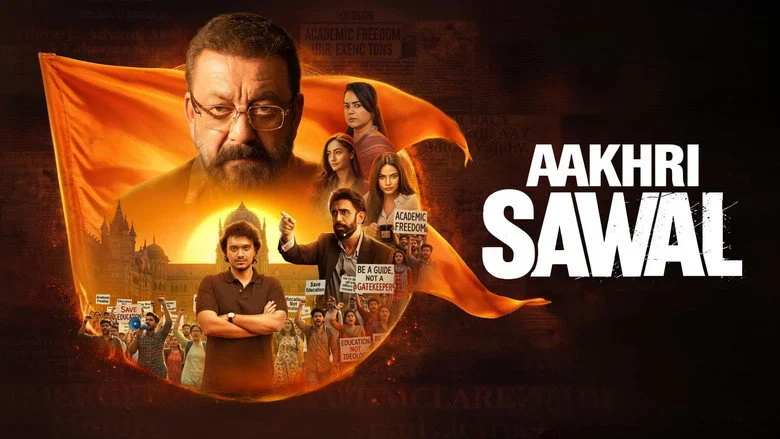
Namashi Chakraborty’s Vicky functions as the narrative trigger, the scholar whose rejected thesis ignites the entire conflict. He serves as the emotional counterpoint to Dutt’s authority, but his performance gets overshadowed by the film’s insistence on ideological grandstanding. His best moments are the quiet ones, the initial shock of rejection, the private doubt before the public battle.
Amit Sadh appears as a news anchor who converts a private academic disagreement into public theatre. His character is the film’s most cynical element, representing the media machine that thrives on conflict. Sadh brings a slick, unsettling energy that makes you wish the film had explored his motivations more deeply.
Sameera Reddy’s political activist adds ideological pressure to the debate, but her role remains frustratingly underwritten. The supporting cast collectively signals the film’s ambition to examine institutional bias from multiple angles, yet the execution leaves them as types rather than characters.
A Controversial Premise That Box Office Couldn’t Save
The film’s subject matter, an academic dispute over the RSS, generated attention and discussion before release, positioning it as a politically charged drama. The opening day collection of ₹48 lakh India net, as reported by Republic World citing Sacnilk, suggested weak occupancy from the start. The first week total of ₹2.78 crore India net and ₹3.60 crore worldwide, per box-office tracking summaries, confirmed the film’s commercial struggles.
Audiences appreciated Dutt’s authority and the topical premise, but complaints about loud presentation and repetitive argument echoed the critical consensus. It is a film that wanted to spark conversation but ended up drowning in its own volume.
I have seen debate-driven dramas that respect their audience’s intelligence; this one prefers to lecture. If you are a Sanjay Dutt completist or deeply invested in ideological cinema, there is enough here to warrant a watch.
Aakhri Sawal is a film that mistakes shouting for substance, earning a modest 2 out of 5 for its timely premise and Dutt’s commanding presence.
For more on films that tackle institutional conflict with sharper precision, browse more Hindi Drama reviews.
If you prefer your ideological battles with more restraint, Kartavya review offers a similar tension with a different approach.
For a more balanced take on media-driven conflict, Pati Patni verdict handles its themes with far more nuance.