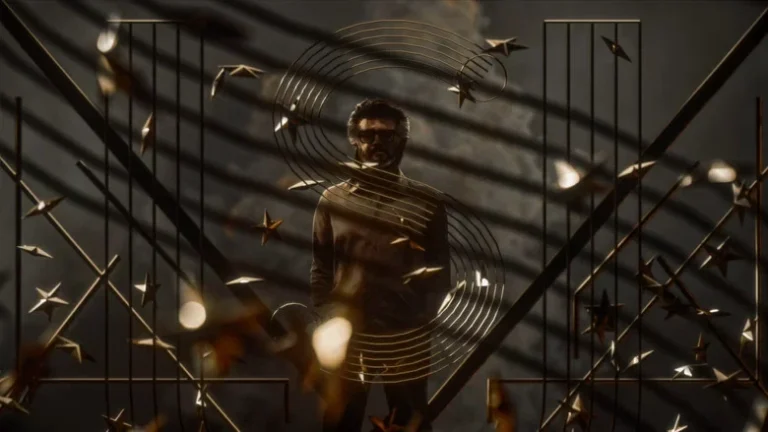
Dev Bodhare’s Afreet – A Never Ending Night arrives as a 23-minute Hindi horror-comedy with the structural confidence of a filmmaker who understands that brevity is a weapon. Whether he knows how to wield it remains the open question.
The premise is elegantly simple: three friends, one seemingly harmless challenge, and a night that refuses to end. The execution, however, operates on a frustratingly opaque register.
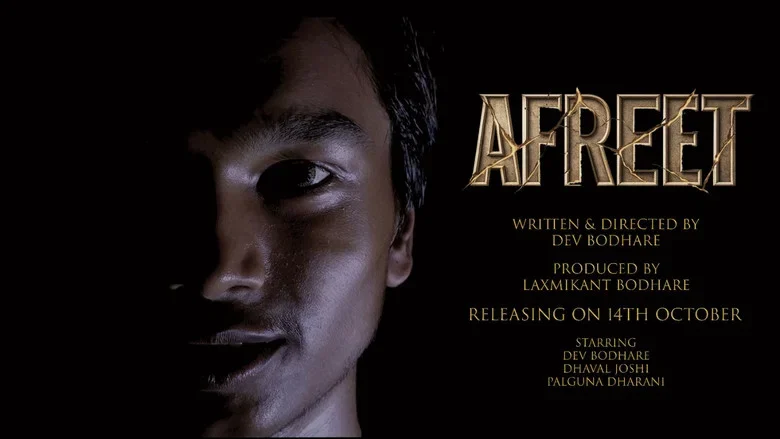
A YouTube Release That Sidesteps the Theatrical Gauntlet Entirely
Let’s address the elephant in the distribution room. This film isn’t competing for multiplex screens or opening-day collections. It’s launching on YouTube, which means the traditional metrics of hit, average, or flop become meaningless exercises in box-office astrology.
What remains is the work itself, and the work is a curious beast. The 23-minute runtime positions it as a calling card rather than a statement, a proof-of-concept that understands its limitations but hasn’t quite figured out how to transcend them.
The Endless Night Device Works Better in Theory Than in Practice
The central horror mechanism, a night that loops or extends beyond natural boundaries, carries genuine potential for psychological claustrophobia. Daylight becomes salvation, and its absence becomes a slow suffocation.
But the film’s narrative architecture doesn’t exploit this sufficiently. Strange events escalate, reality blurs, and yet the progression feels mechanical rather than organic, as if the screenplay is checking off supernatural beats rather than building genuine dread.
Compare this to how a more confident genre exercise might handle temporal entrapment. The premise demands that each decision carry consequence, but the film rarely dramatizes those consequences with the weight they require.
The Three-Friend Dynamic Remains Frustratingly Undefined
Ensemble horror lives or dies on the friction between its characters. Who panics first? Who takes charge? Who makes the fatal error that dooms them all? These questions create the human stakes that make supernatural threats matter.
Here, the friends function as archetypes rather than individuals. They gather, they accept the challenge, they face the consequences, but the specific texture of their relationships, the history that would make their fear for each other palpable, remains absent.
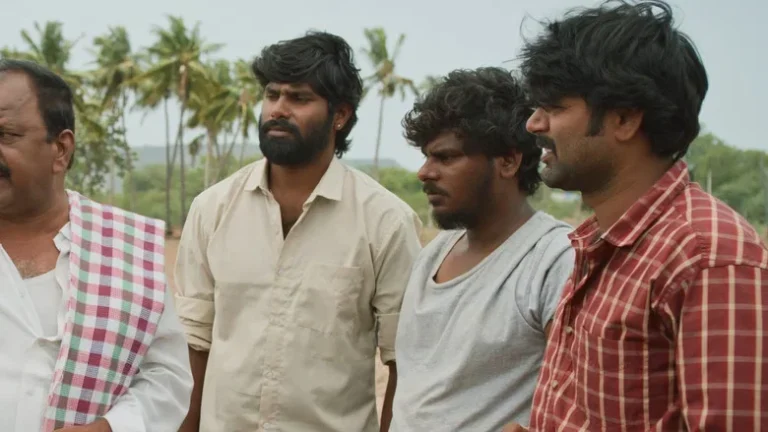
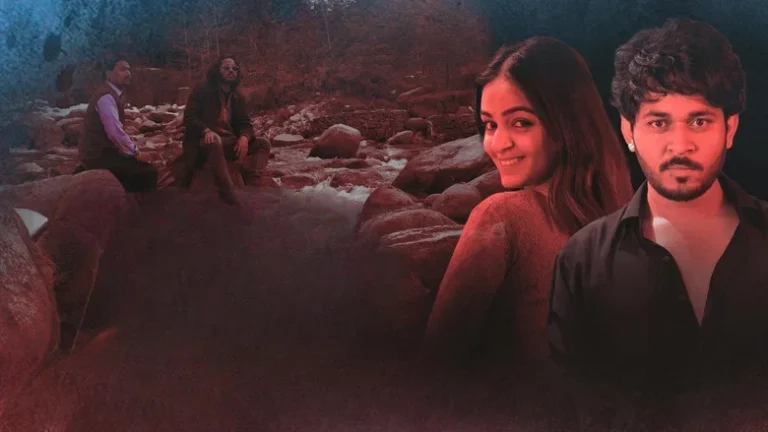
The performers, Dev Bodhare himself, alongside Dhaval Joshi and Palguna Dharani, navigate the material with commitment, but the screenplay gives them precious little to commit to beyond generic reactions to escalating weirdness.
Where the Horror-Comedy Balance Goes Awry
Hindi horror-comedy occupies a peculiar space in contemporary cinema, one where tonal shifts can either electrify or eviscerate momentum. The genre demands precision, a beat of genuine fear followed by perfectly timed levity requires directorial confidence that this film doesn’t consistently demonstrate.
The comedy here feels incidental rather than integrated, as if the filmmakers remembered the genre classification mid-scene and inserted a tension-breaking quip. The tonal whiplash that could have been the film’s signature instead becomes its most visible structural weakness.
The Craft Remains Invisible, Which Is Its Own Kind of Failure
Horror is a director’s genre. The placement of a shadow, the duration of a held shot, the decision to show or withhold, these choices constitute the difference between a scare and a shrug. In Afreet, the visual grammar remains stubbornly functional.
The endless night premise demands that darkness become a character, that the absence of dawn feel oppressive rather than merely inconvenient. The film’s lighting strategy, however, treats night as a setting rather than a psychological condition.
There’s no evidence of the sustained visual discipline that separates memorable genre work from forgettable content. The camera observes without interpreting, records without implicating.
What the Film Gets Right, and Why It Matters
The compact runtime is genuinely smart. In an era where horror films routinely bloat past two hours, a 23-minute supernatural story respects its audience’s time and understands that brevity can amplify impact.
The challenge-as-inciting-incident structure also works. Curiosity-driven risk-taking is a universal human impulse, and watching characters suffer consequences for crossing boundaries they should have respected taps into something primal.
The premise that something older and more dangerous than the initial challenge lurks beneath the friends’ game, that’s solid horror architecture. The execution simply doesn’t match the ambition of the blueprint.
The Uncomfortable Question of Resolution
Endings matter. They’re where horror either delivers catharsis or leaves audiences with lingering unease. The most effective genre work understands that what remains unresolved can be more terrifying than what’s explained.
Whether Afreet achieves this balance remains difficult to assess from the available presentation. The film gestures toward mystery but doesn’t consistently earn the ambiguity it seems to want.
An antagonist without clear rules or motivation can be effective, the unknowable is inherently frightening. But it can also feel like a writer’s evasion, a refusal to commit to the harder work of constructing coherent threat mythology.
The Franchise Question Nobody Asked
Could this become something larger? The endless night concept theoretically supports expansion, more characters, more nights, more elaborate supernatural rules. But the film doesn’t establish enough of a distinctive world to justify continuation.
What would a sequel even look like? The same friends, a different challenge? New characters discovering the same trap? Without a defined antagonist or consistent mythology, there’s no foundation to build upon.
Sometimes a short film should remain a short film. Not everything needs to be a franchise starter.
The Commercial Reality of YouTube Horror
The decision to release on YouTube rather than pursue theatrical distribution or streaming platform acquisition reflects either strategic pragmatism or limited resources. The platform offers accessibility but also signals a certain tier of production.
Independent horror has thrived in digital spaces, finding audiences that traditional distribution overlooks. But that success requires either exceptional craft or distinctive voice, qualities that separate viral discoveries from content that disappears into the algorithm.
For the Bodhare creative team, this release serves as a portfolio piece more than a commercial venture. What matters is whether it demonstrates enough promise to justify larger investments.
The Verdict That Refuses Easy Categories
Afreet – A Never Ending Night isn’t bad enough to dismiss or good enough to champion. It exists in the frustrating middle ground of competent ambition, a film that understands horror’s building blocks without knowing how to arrange them into something that truly unsettles.
The 23 minutes pass without offense but also without the lingering dread that defines the genre at its best. It’s the cinematic equivalent of a conversation you forget immediately after having it.
For Dev Bodhare, the film represents a starting point rather than a destination. The instincts are there, the compact structure, the supernatural hook, the commitment to consequence-driven storytelling. What’s missing is the craft to transform those instincts into execution that demands attention.
This stylistic discipline reflects a welcome evolution across contemporary hindi horrors, prioritizing character conviction over easy commercial formulas.
Horror doesn’t require budget. It requires vision, discipline, and the understanding that what we don’t see terrifies more than what we do. Afreet shows glimpses of that understanding but never commits to the darkness it promises.