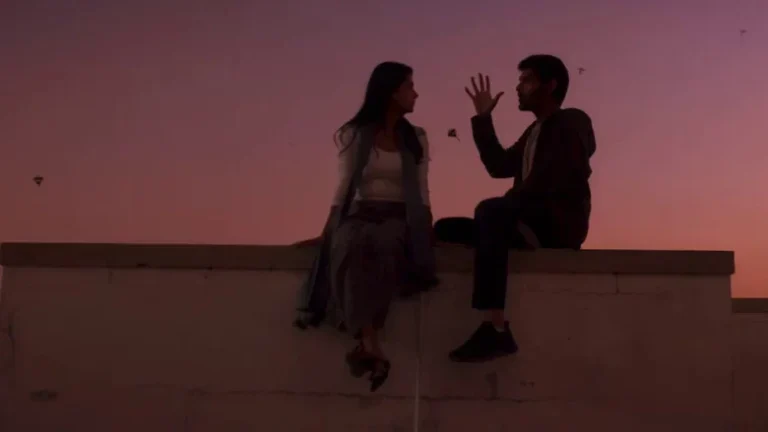
The high-rise apartment is spotless, staged, and entirely devoid of the life Ansh Sikkha left behind. Mihir Ahuja returns from years abroad carrying the keys to his parents’ upgraded future, only to find the past refuses to relocate.
When The Gift Becomes The Wound
Ritesh Menon’s Netflix drama opens on a transaction dressed as devotion. Ansh has purchased a modern flat for his middle-class Punjabi parents, convinced that square footage and a new address constitute the ultimate filial apology.
The film’s smartest mechanism is physical: the apartment exists as a prop carrying the full weight of class anxiety, migration guilt, and generational miscommunication. It is not a home until someone argues inside it.
Where the screenplay stumbles is in mistaking the premise for the plot. The Diwali gathering provides a natural pressure cooker, yet Menon’s camera lingers on the symbolic real estate rather than the people negotiating it.
A Lead Performance Built On The Gap Between Intention And Reception
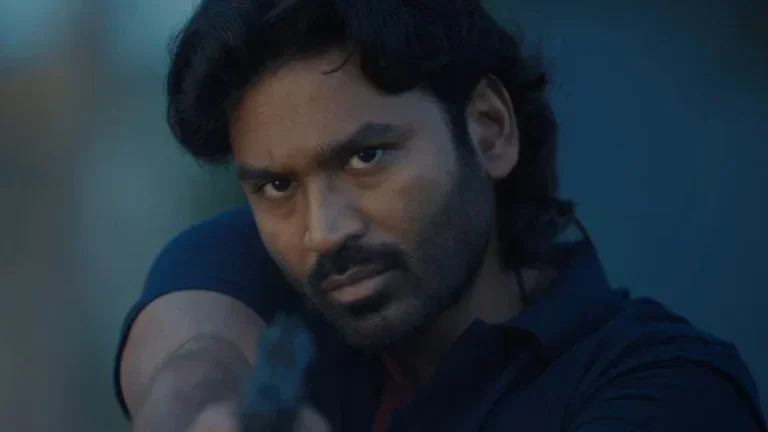
Ahuja plays Ansh with a specific physical vocabulary of displacement. His shoulders remain squared in the new flat, his gestures over-explaining the amenities, his smile arriving a half-beat too late when his mother inspects the kitchen.
That timing is the performance’s quiet engine. Ansh is a man performing success for an audience that never asked for the show, and Ahuja lets the exhaustion leak through only when his back is turned.
The role demands a delicate calibration between arrogance and vulnerability, and the young actor mostly finds it. The restraint echoes the psychological discipline of his contemporary turn in Geriga, where silence carried more weight than dialogue.
Yet the script gives him few scenes that require genuine confrontation. Ansh’s biggest arguments happen off-screen, reported rather than witnessed, which keeps the audience at a frustrating distance from the character’s breaking point.
Manoj Pahwa And The Architecture Of Domestic Stillness
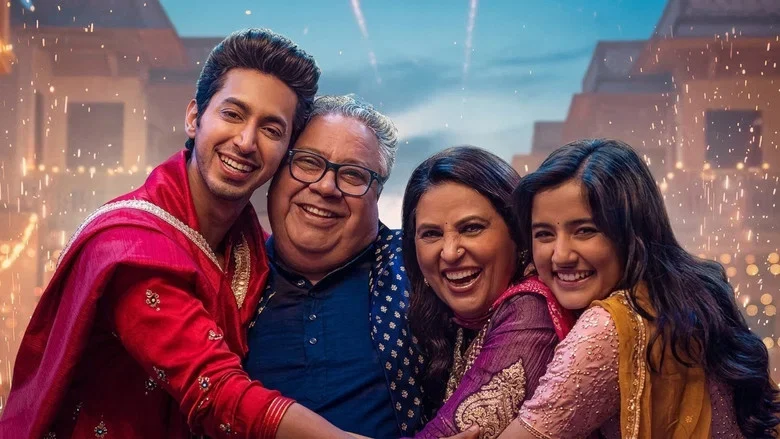
The veteran actor does something quietly devastating in the Diwali sequence. Seated at the old dining table, Pahwa’s father figure refuses to lean forward, his posture a silent referendum on the entire relocation proposition.
Neelu Kohli matches him with a different register: her hands never stop moving, folding, serving, touching the old walls as if memorising them. The performance is all muscle memory, and it exposes the hollowness of Ansh’s transactional love.
Menon stages their disagreement in wide frames, letting the distance between family members do the dramatic work. The blocking is deliberate, the camera respectful of the space, though it occasionally mistakes patience for depth.
The supporting relatives, meanwhile, function as a chorus of competing life philosophies without ever becoming individuals. They argue about money, marriage, and migration, but the film never grants them the specificity that would make their objections land.
The Apartment As Cinematographic Argument
Menon’s visual scheme draws a clean line between two worlds. The new flat arrives in cool, symmetrical compositions, all glass and reflected light, while the family home is shot in warmer, messier frames where the camera has to navigate around furniture.
That contrast is legible without being innovative. The film trusts its production design to carry the thematic load, and the Diwali lighting sequence, with diyas flickering against white walls, provides the one image that genuinely lingers.
The score stays deliberately sparse, allowing silences to stretch across the dining table. It is a choice that respects the material, though the pacing occasionally sags under the weight of so much restraint.
Where a sharper film might have used the festival’s sensory overload as counterpoint, this one keeps the volume low. The result is a drama that whispers its thesis when the setting practically demands a shout.
The Uncomfortable Question The Ending Refuses To Answer
The resolution pivots on Ansh’s reassessment of what his family actually recognises as theirs. It is a gentle conclusion, emotionally coherent, but it sidesteps the harder question the premise raises about who gets to define belonging.
Menon’s film wants to reconcile rather than interrogate. The apartment remains standing, the family remains intact, and the deeper tension between economic progress and emotional continuity is soothed rather than resolved.
This is where the film diverges from the more uncompromising family dramas in the current landscape, including the unresolved moral fallout examined in Pyre. That film trusted audiences to sit with discomfort; this one reaches for the group hug.
There is value in that generosity, but it leaves the story feeling smaller than its own setup. Ansh’s journey ends where it began, with a man holding keys to a door his parents may never fully walk through.
What Netflix Is Betting On With This Quiet Domestic Drama
As a Netflix title, the film bypasses the theatrical exhibition gamble entirely, which is both its liberation and its limitation. There is no opening-weekend pressure to inflate the drama with manufactured stakes.
The streaming platform has been steadily building a slate of mid-budget Hindi family dramas, and this release fits that strategy of low-risk, culturally specific storytelling aimed at festive-season viewing.
For Ahuja, the film represents a deliberate step away from youth-oriented roles into more adult emotional territory. His box-office leverage remains untested in this register, and the film’s performance on the platform will determine whether that pivot holds.
The broader industry signal is clearer: this patient character study reflects a welcome tonal maturity across contemporary Hindi dramas, even when the execution falls short of the ambition.
The Verdict: A Homecoming That Never Quite Arrives
Dilwali Diwali is a film about the distance between what we give and what is actually needed, and it understands that distance better than it understands its own characters. Menon stages the conflict with intelligence but resolves it with too much comfort.
Ahuja anchors the film with a performance of careful, aching restraint, and Pahwa’s silent paternal resistance provides its most memorable image. What surrounds them is a drama that trusts its premise more than its people.
The apartment will sell. The question the film leaves hanging, unanswered and perhaps deliberately so, is whether anyone inside it ever truly moves in.