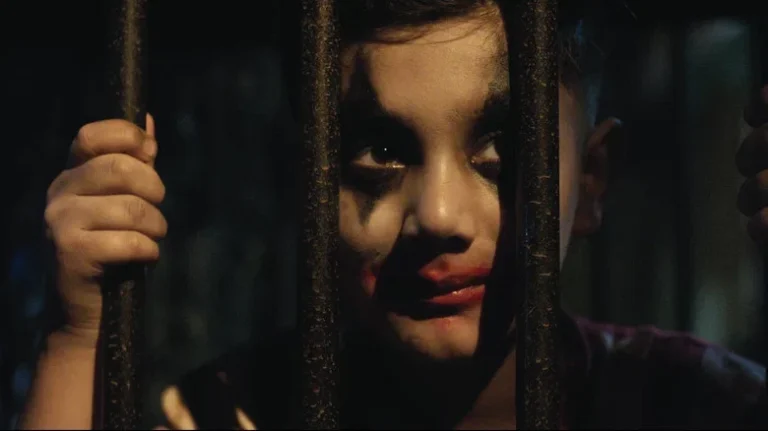
The first stolen glance between Young Ishar and Afsana, set against the golden warmth of undivided Punjab, is the kind of shot Imtiaz Ali has built his career on. But within minutes, the 1947 Partition violence fractures this frame, and the film never fully recovers, it lingers in the wound, refusing to heal.
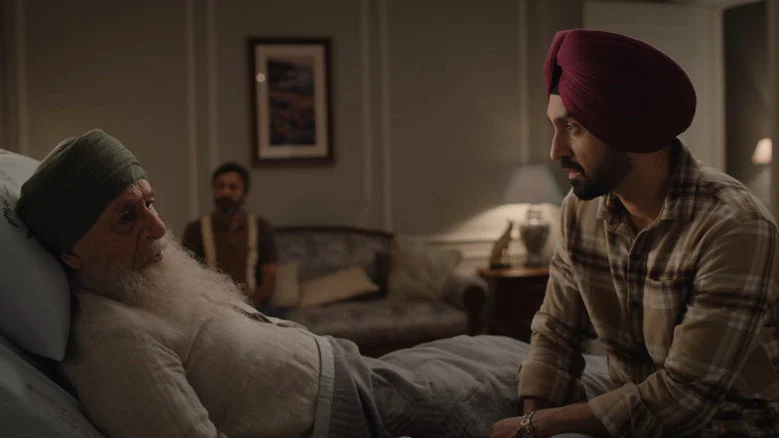
Naseeruddin Shah makes dementia feel like a physical wound you can’t look away from
This is not the typical Oscar-reel performance you expect. Naseeruddin Shah plays Ishar Singh Grewal as a man whose body has given up but whose memory refuses to surrender. The final emotional breakdown upon hearing of Afsana’s death is uncomfortably real, no grand outburst, just a body collapsing under the weight of a lifetime.
What strikes you is the restraint. Shah never caricatures the confusion, and the stroke-induced physical frailty is rendered with documentary-like precision.
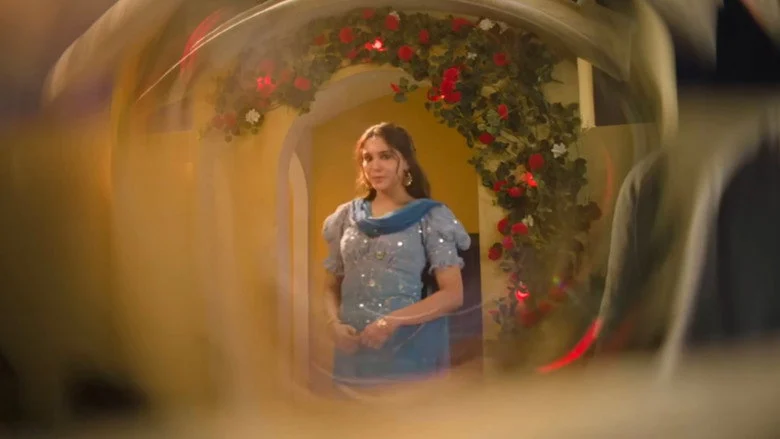
Imtiaz Ali’s direction finds poetry in the past, but loses rhythm in the present
Ali seamlessly integrates two timelines through distinct color grading: warm, golden tones for 1947 Punjab versus muted, cool blues for the 2026 hospital. The non-linear structure works beautifully in the first half, where the fragmentation of memory mirrors Ishar’s dementia.
But the second-half pacing drags hard. The extended musical montage feels like Ali got lost in his own sentimentality, a common risk when a director falls too in love with his own poetry. Mp4moviez similarly pointed to the film’s pacing issues, and I found myself checking the runtime more than once.
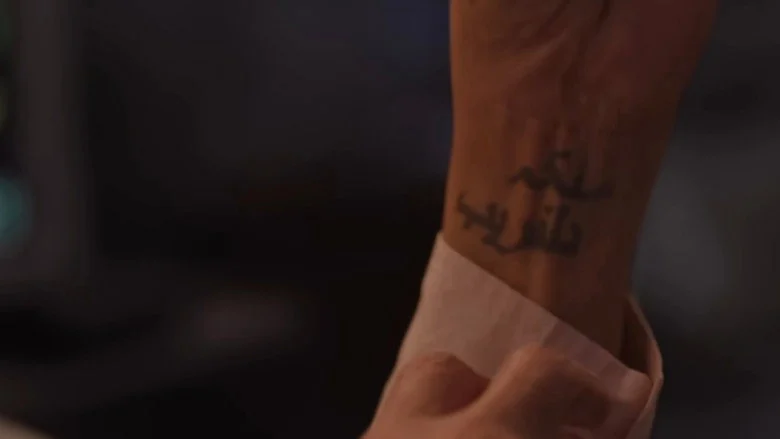
A.R. Rahman’s score lifts the love story, but the musical sequence overstays its welcome
For a romantic drama, the genre-core execution depends entirely on emotional credibility. The Partition separation scene, where Ishar and Afsana are torn apart by a mob, is masterful in its restraint. The camera stays on faces, not violence, and the loss feels personal rather than historical.
Music here works as a narrative bridge between eras, but Rahman’s compositions, while beautiful, are deployed unevenly. The background score during the revelation scene is genuinely affecting, but the extended musical sequence in the second half undermines the tension.
The film’s focus remains on emotional aftermath rather than the event itself. That’s both its strength and its weakness, for every quiet moment of profound grief, there’s a stretch where you wish the editor had been more ruthless.
Diljit Dosanjh and Vedang Raina carry the generational weight with quiet dignity
Diljit Dosanjh as Nirvair isn’t given a showy role, and that’s precisely why it works. He balances the tenderness of a caregiver with the quiet frustration of someone watching a loved one fade away. The scene where he creates a film to transport Ishar back to the past is sweet but overlong, one of those moments where less would have been more.
Vedang Raina and Sharvari capture the innocence of young love in the flashback without a hint of modern self-awareness. Their first stolen glance is a small masterstroke of casting and direction. The film’s 92% Rotten Tomatoes rating reflects this emotional sincerity, but it also masks the structural flaws that keep it from greatness.
If Imtiaz Ali’s brand of emotional storytelling appeals to you, there’s plenty more to explore across Hindi Drama reviews on this platform.
The absence of a villain makes the conflict feel ghostly, and that’s both bold and frustrating
There is no antagonist here, which is a risk few mainstream films would take. The conflict arises from historical forces and memory itself, an abstract enemy that the film asks you to grapple with. It’s intellectually honest but dramatically uneven.
Some viewers will appreciate this refusal to simplify Partition into cartoonish villains. Others will feel the lack of a clear dramatic adversary makes the second half feel aimless. The UA 16+ certificate is justified not by violence but by the emotional weight of the subject matter.
Should you watch a three-hour film about a promise that was never kept?
Only if you’re willing to sit with sadness that doesn’t resolve neatly. This is not a film for a Friday night unwind, it’s a film that demands you carry its weight home. The climax, where Ishar learns Afsana died waiting for him and passes away in peace, will leave you hollow and strangely full at the same time. See it on the biggest screen you can for those Partition frames, but prepare to feel the runtime.
Main Vaapas Aaunga is a risk-led romance that earns its tears but loses its way in the middle, a deeply flawed, deeply moving film that I’d still recommend, if only for Shah and that final frame. I’m giving it a solid 3.5 out of 5 for ambition, performance, and that unbearable last scene.
For a deeper exploration of generational guilt and supernatural horror in regional cinema, read our review of Dark Giant review.
And if chaotic ensemble romance is what you’re after, our take on Cocktail 2 verdict offers a lighter contrast.