Two strangers, one terrace, and a city that has abruptly stopped humming. Eashwar Gopala Krishnan’s debut feature stakes everything on that enforced stillness.
It is a gamble that pays in atmosphere and occasionally costs in dramatic oxygen.
A Blackout As Both Plot Engine And Emotional Scaffold
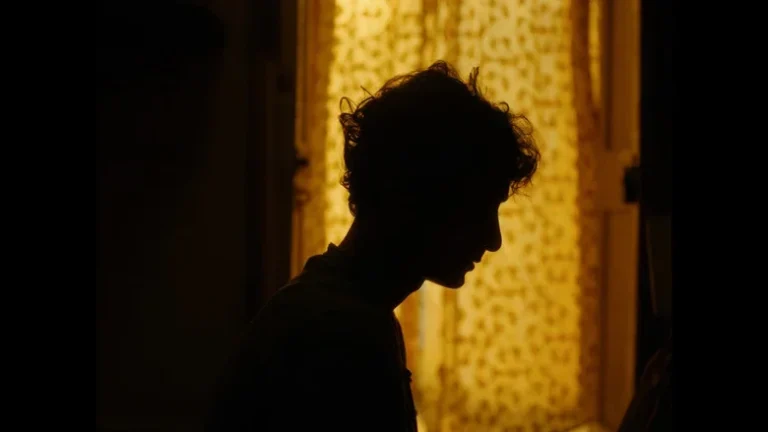
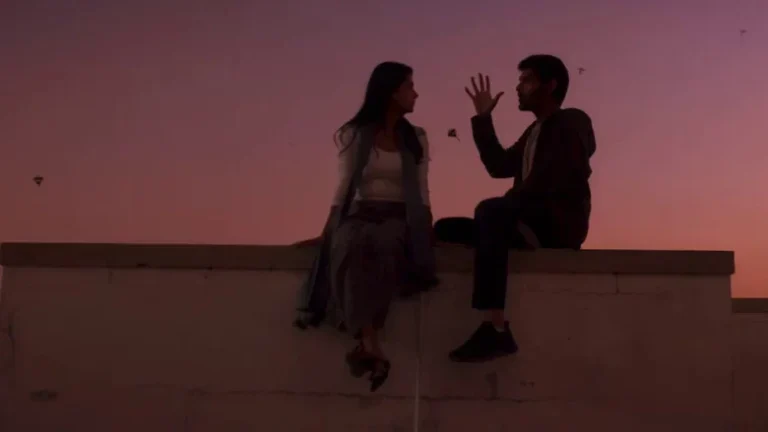
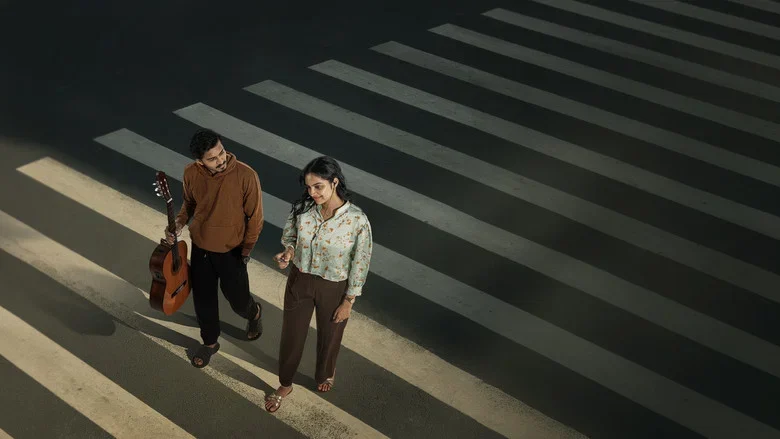
The premise is almost aggressively modest. A freelance illustrator and a struggling music director drift onto the same Chennai apartment terrace during an evening power cut.
What follows is not a plot so much as a pressure system. The blackout strips away screens, noise, and the small evasions of urban life, leaving two creatively stalled people with nothing to do but talk.
Gopala Krishnan understands that the setting is the antagonist. There is no villain here, only the low hum of generators, distant chatter from other flats, and the slow bleed of sunset into darkness.
That choice gives the film a rare integrity. The conflict is baked into the geography rather than bolted on.
Sacchin Nachiappan Plays The Silence Before The Confession
The illustrator is a role built on withholding, and Sacchin Nachiappan calibrates it with a physical wariness that never tips into mannerism.
Watch his hands in the early terrace beats. They stay occupied, fidgeting with a pen or a phone, as if idleness might force a disclosure he isn’t ready to make.
It is a performance of small deflections, and it works because Nachiappan resists the urge to announce his character’s wounds.
MV Namritha, as the music director, supplies the counterweight. Her stillness reads differently, more guarded than shy, and the two performers establish a credible rhythm of approach and retreat.
The chemistry is quiet rather than combustible, which suits a film that treats connection as an interruption rather than a climax.
Where the screenplay stumbles is in giving these performers enough to chew on. The revelations arrive, but they arrive thin.
The Runtime Question That Undermines The Whole Enterprise
Here is where the film’s own marketing becomes its enemy. Listings disagree on whether this runs 43 minutes or closer to an hour.
That discrepancy matters, because the film plays like a compressed sketch stretched toward feature length, or a feature trimmed past its natural breathing room.
Either way, the middle section sags. Conversation gives way to more conversation, and the film mistakes endurance for intimacy.
The structural compression that should feel rigorous instead feels undernourished. We get the shape of two lives without the texture.
Arun Krishnan appears in the cast, but the film gives his presence so little dramatic function that he registers as texture rather than character.
Against The Grain Of Louder Tamil Dramas
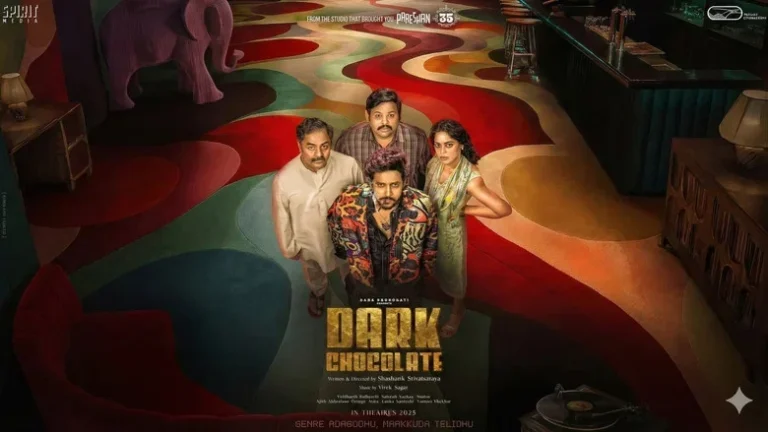
Set beside the more overtly commercial instincts of Dark Chocolate, this is a film that trusts its own restraint almost to a fault.
The same instinct for quiet character work that anchored Black Gold is present here, though this film lacks that project’s narrative spine.
It also shares DNA with the muted romantic textures of Angelina, another Tamil drama that prioritized atmosphere over incident.
The difference is that this film’s atmosphere is its entire argument. There is no procedural scaffolding to fall back on.
What The Camera Does When Nothing Is Happening
Gopala Krishnan’s visual strategy is patient to the point of austerity. Long takes hold on faces, and the lighting shifts from dusk to generator-lit gloom with a documentary plainness.
It is the right instinct for a chamber piece, but the film rarely finds a new angle on its own central image.
AKR’s score stays sparse, which is wise, though the film’s most effective sonic texture is the ambient hum of a city running on backup power.
The editing, at whatever the true runtime turns out to be, favors the unhurried cut. Sometimes that works. Sometimes it merely waits.
The Box Office Reality For A Film This Small
This is a limited-release Tamil title without verified production-house muscle or confirmed opening-day figures, which tells its own story about the exhibition market.
Films of this scale live or die on word of mouth and niche urban bookings. That is a fragile commercial model even in a healthy theatrical climate.
The larger question is whether contemporary Tamil dramas of this size can sustain themselves without a star anchor or a genre hook.
Nachiappan is a compelling presence, but he is not yet a box-office draw capable of opening a film on his name alone.
A Modest Film That Knows Exactly What It Is
The ending refuses grand resolution, which is both its integrity and its limitation. Two people share what they needed to hear, and the city’s lights eventually return.
What lingers is not the confession but the silence that preceded it. Gopala Krishnan has made a film about the difficulty of saying anything true to another person.
That is a worthy subject. It is also, in this telling, a subject that needed another twenty minutes of lived-in detail to earn its emotional weight.
See it for Nachiappan’s guarded, intelligent stillness, and for a filmmaker who trusts quiet. Just don’t expect the quiet to fully fill the room.