Amit Sadh walks into Mumbai Central Prison carrying twenty-six kills and a viral video, and the film’s best idea dies quietly in the processing line.
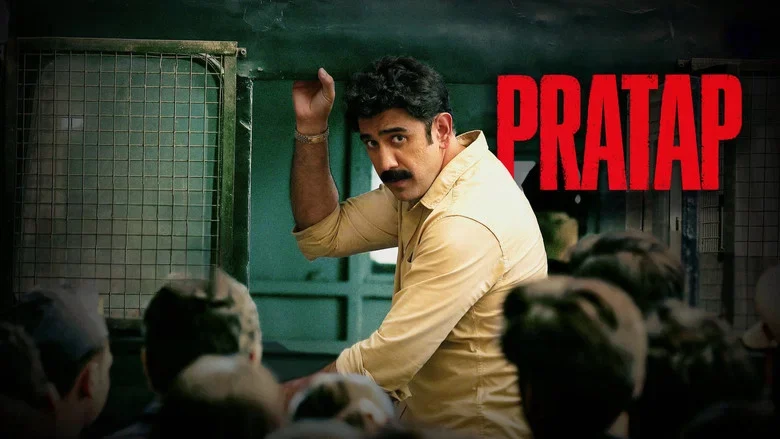
The Viral Video Is the Sharpest Weapon, and the Film Blunts It Early
The opening incident is genuinely loaded. A parking-area apprehension, a suspect who expires of an apparent heart attack, and a bystander’s phone footage that reframes the whole thing as an alleged encounter.
Sachin Saraf stages that reversal with real venom, the state’s instrument of violence suddenly held to the state’s own paper trail. Then the film retreats into procedure.
Where a leaner thriller would weaponize the twenty-six prior encounters as a slow-burning audit, Pratap treats them as backstory boilerplate. The institutional conspiracy arrives to explain away the ambiguity rather than sit inside it.
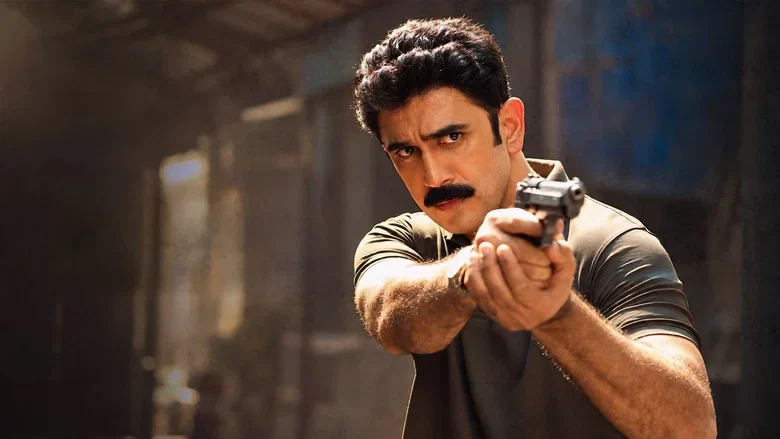
When a Jailer Refuses to Bow, the Film Finally Breathes
Seema Biswas as Meera Sen is the only figure who refuses to flinch. She processes Pratap like any other inmate, and the friction is entirely bureaucratic rather than physical, rules over rank.
That choice is the film’s most intelligent structural move. A man who commanded encounters is now commanded by a ledger and a lockup schedule.
The screenplay, though, keeps reaching for a grander conspiracy when the smaller humiliation was doing more work. Every time the plot expands outward, the prison walls lose their grip.
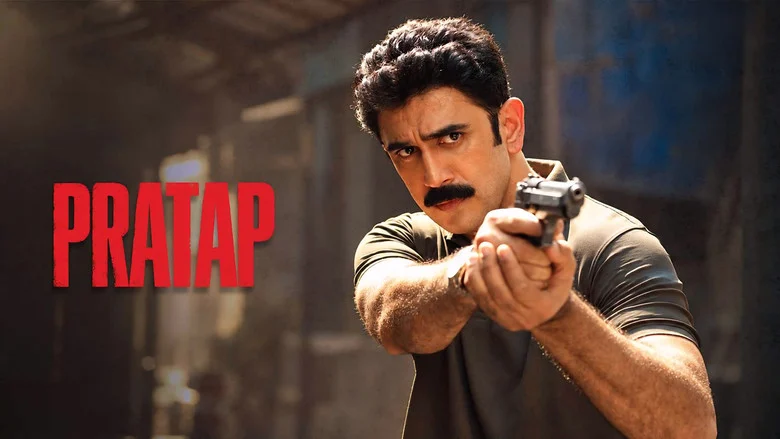
Sadh’s Authority Reversal Is Real, but the Script Won’t Let It Settle
Sadh does the harder thing here. He plays the collapse inward, the dropped shoulders, the flat register, rather than the swagger that made his earlier officers watchable.
It recalls the quieter register he brought to Aakasamlo Oka Tara, though this material asks for more corrosion than that film allowed. The performance is sincere; the architecture around it is safe.
What’s missing is a scene where Pratap’s guilt actually costs him something private. The film keeps the moral reckoning at arm’s length, preferring the next plot gear to the next human beat.
Sachin Saraf’s Control Is Deliberate, but the Camera Seldom Argues
Anil Akki’s lensing favors institutional geometry, corridors, gates, the flat fluorescent wash of a holding cell. It’s competent, occasionally severe, but rarely accusatory.
The film’s visual grammar never quite turns on Pratap the way the story does. There’s no shot that makes the audience complicit in the surveillance that destroys him.
Rohan Rohan’s score leans on low strings and pulse, which is fine until it starts telling you how to feel about scenes that were already doing the job.
The Conspiracy Reveal Is Where the Thriller Loses Its Nerve
When the plot pivots from personal exoneration to state-linked network, the stakes should tighten. Instead the film starts explaining itself, and explanation is the enemy of dread.
The genre’s better recent entries, including the murkier institutional dread of Blind Game, trust the audience to sit inside uncertainty. Pratap wants to resolve it.
That instinct flattens the climax. The unexpected turn lands as a twist rather than a reckoning, which is a meaningful difference in a film built on moral ambiguity.
The Supporting Bench Is Underused, and the Film Knows It
Esha Deol and Tigmanshu Dhulia are present but dramatically inert, faces in rooms where the screenplay never gives them a decision to make. That’s a casting waste, not a performance failure.
Milind Gunaji and the rest of the ensemble orbit the conspiracy without ever owning a scene. The film’s gravitational pull stays fixed on Sadh and Biswas, and the flatness elsewhere shows.
Compare the sharper ensemble work in Kaali Kheti, where even minor figures carried atmospheric weight. Here, the supporting cast is furniture.
Panorama Studios Is Betting on a Grim Procedural in a Crowded Market
Pradeep Rangwani’s production is a modestly scaled crime entry in a theatrical corridor already crowded with star-driven cop dramas. The economics are unforgiving.
For Sadh, this is a leverage play, a lead role in a genre he’s built a reputation in, but without the franchise scaffolding that guarantees an opening weekend.
The broader market for contemporary Hindi thrillers rewards either scale or novelty. Pratap has neither in sufficient measure, and its box-office ceiling reflects that.
A Grim Procedural That Mistakes Gloom for Gravity
The film’s final image, a man who enforced the state’s violence now hunted by it, is the right idea. The execution never quite earns the chill.
Pratap is a serious-minded misfire: a thriller with a genuinely provocative premise, a committed lead turn, and a screenplay that keeps reaching for the next plot beat instead of the next moral wound.
It wants to be about accountability. It settles for being about a case.